Last updated November 4, 2026
 Sweep & inspection
 Caps & crowns
 Flue relining
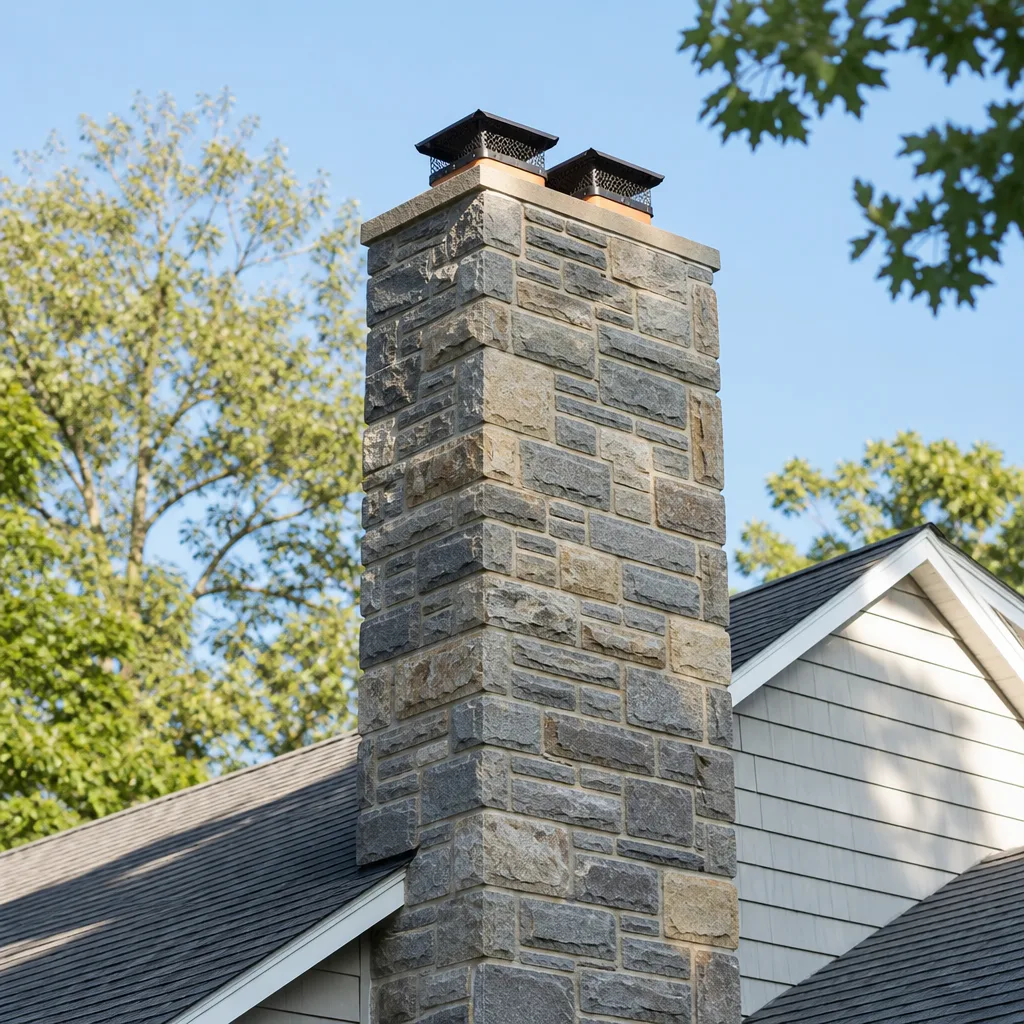 Masonry repair
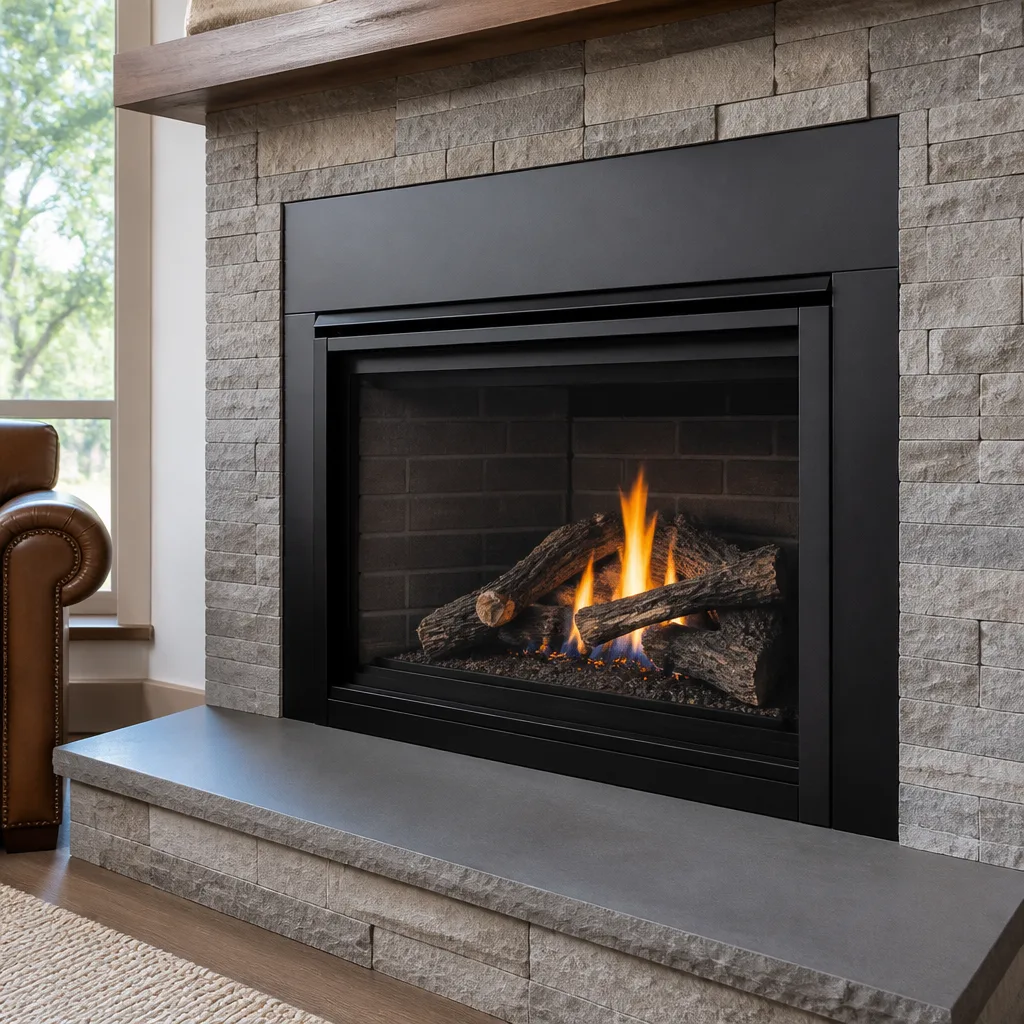 Gas fireplace service
Level 1 sweep and inspection to the NFPA 211 annual standard - flue, crown, cap, and flashing checked and photographed
Chimney sweep logs do not sweep chimneys. They loosen some creosote - which then falls where a brush and vacuum still have to collect it.
Choosing the Right Chimney Cleaning Brand: A Buyer’s Guide for San Leandro
Ask five chimney companies for a repair quote and you might get five different material specs, even when the work sounds identical. One says “stainless steel liner.” Another says “DuraFlex 316L.” The homeowner sees the same phrase on both estimates and assumes they’re comparing the same job. They’re not. The difference between those two lines can be a liner that lasts two decades and one that starts showing corrosion in five years. This guide walks through how to evaluate the brands that go into a chimney system, what questions uncover the gaps, and how San Leandro homeowners can protect themselves from paying premium prices for generic materials.
Quick Answer
The right chimney cleaning brand isn’t a cleaning product at all. It’s the material and equipment brands a contractor stocks and installs, like DuraFlex liners, Olympia Chimney caps, and HeatShield resurfacing compound. For San Leandro homeowners, choosing well means asking which specific brands go into the quote, what alloy and gauge the liner will be, and whether the contractor will show you the product before it goes into your flue. A reputable company answers those questions without hesitation.
Styles & brands we work with
- Sweep & inspection
- Caps & crowns
- Flue relining
- Masonry repair
- Gas fireplace service
Table of Contents
- Why Brand Literacy Matters for Chimney Work
- The Brands Worth Knowing
- How to Read a Liner Specification
- Caps and Chase Covers: What Separates Good from Cheap
- Resurfacing vs. Replacement: Where HeatShield Fits
- The Dryer Vent Side of the Equation
- Verifying What Actually Gets Installed
- Common Mistakes to Avoid
- When to Call a Professional
- Frequently Asked Questions
Why Brand Literacy Matters for Chimney Work
A chimney is a contained fire running through the middle of your house. Every component between the firebox and the cap has a single job: keep heat, sparks, and combustion gases moving out without letting them touch anything flammable. When a material fails, the failure isn’t cosmetic. It’s a fire hazard or a carbon monoxide risk. So the brand stamped on a liner, cap, or venting product isn’t a matter of preference. It’s a shorthand for the manufacturing standard behind the part.
In our experience cleaning chimneys across San Leandro, we see the consequences of material choices every season. Homeowners bring us quotes from other companies and ask us to make sense of them. Sometimes the quote lists a recognized brand and a specific alloy. Sometimes it says “stainless liner” and nothing else. The second quote might be cheaper, but it’s also incomplete. Without a brand and a spec, the homeowner has no way to know what “stainless” means in that context. There are dozens of stainless alloys, and not all of them hold up inside a flue.
San Leandro’s climate adds another layer. Winters are mild, so the freeze-thaw damage common in colder regions isn’t a major factor here. The bigger issue is moisture from rain and fog combined with the acids produced by wood combustion. Those acids condense inside the flue and eat at lower-grade metals. A liner that works fine in a dry inland climate can degrade faster in a damp Bay Area environment. The manufacturer’s spec matters more here than in many other parts of the country, which is why brand literacy is a form of consumer protection in San Leandro.
The Brands Worth Knowing
You don’t need a catalog of every product on the market. You need to recognize the names that show up repeatedly in professional specifications, and understand what each one signals. We stock and install several brands that we trust to hold up in Bay Area conditions. Here’s what they are and why they matter.
DuraFlex is a flexible stainless steel chimney liner made in the United States. It’s used when a chimney’s original clay tile liner has cracked or when a home has a new appliance venting into an old flue. What matters about DuraFlex is the alloy it’s made from. Professional-grade liners use 316L stainless, which contains molybdenum. That addition makes the steel significantly more resistant to the acidic condensate that forms when combustion gases cool inside the flue. A liner without molybdenum corrodes faster. DuraFlex also has a smooth inner wall, which means less creosote buildup over time.
Olympia Chimney has a reputation for stainless steel caps, dampers, and relining systems. Their caps are built from a heavier gauge metal than many generic options, and the design details show up in how well they fasten to the flue. A cap that rattles loose in a Bay Area windstorm isn’t uncommon with cheap imports. Olympia’s construction standard is different, and their products are specified by certified chimney professionals in markets across the country.
Gelco makes chase covers and caps, the metal tops that sit over factory-built chimneys and the framed enclosures around them. This is a spot where generic galvanized steel is common because it’s cheap. It also rusts through in a matter of years, especially in damp climates like San Leandro’s. Gelco products use heavier-gauge materials built to shed water and hold their fasteners. When we see a chase cover that’s still solid after a decade, it’s usually a brand-built part, not a big-box replacement.
HeatShield is a ceramic-based compound used to resurface deteriorated flue liners from the inside. It’s not a liner brand in the traditional sense. It’s a repair technology that bonds to the existing flue wall and restores a smooth, insulated surface. HeatShield is specified by name because the installation process is specific and the material is tested for the temperatures and conditions inside a working chimney. We’re HeatShield-certified applicators, which matters because the product only performs as designed when the installer has been trained in the correct preparation and application steps.
The common thread across these brands is that they’re materials specified by professionals, not whatever was cheapest on the shelf. That’s the distinction worth paying attention to. If you’re looking for a chimney sweep who also handles structural work, the brands they carry tell you something about how they approach the job.
How to Read a Liner Specification
A chimney liner spec is the first place vague language hides. When a quote says “install stainless steel liner” without naming the alloy or manufacturer, the bid is incomplete. That doesn’t mean the contractor is dishonest. It means the estimate doesn’t give you enough information to evaluate what you’re paying for. Here’s what a material line should include and what each part means.
Step 1: Look for the manufacturer name
A brand name means the product comes from a company with a published specification and a warranty. Generic liners often come from importers with no U.S. manufacturing presence and no way to verify the alloy claim. If the quote doesn’t name the manufacturer, ask for it. If the contractor can’t or won’t tell you, that’s a flag.
Step 2: Check the alloy grade
For wood-burning chimneys, the standard is 316L stainless steel. The “L” matters: it means low-carbon, which resists the pitting and cracking that can develop at high temperatures. Some quotes list 304 stainless, which is a common food-service grade but lacks the molybdenum that resists acid attack inside a flue. For a wood-burning fireplace, 304 is not an equivalent product, even though both are “stainless steel.”
Step 3: Note the wall thickness
Liner gauge is measured in thousandths of an inch. Thin material costs less and fails sooner. A liner that’s too thin can flex, tear during installation, or puncture against the sharp edges of an old clay tile flue. Professional-grade liners from brands like DuraFlex are built to a consistent gauge you can verify from the manufacturer’s spec sheet.
Step 4: Ask about the installation standard
A liner is only as good as the way it’s connected. Proper installation includes a correctly sized tee or connector at the appliance, a listed top plate, and proper support. A brand-name liner installed sloppily isn’t better than a generic one. The brand should come with an installer who knows how to fit it right.
For San Leandro homeowners, Bay Area dampness means the alloy and gauge questions matter. Mild winters don’t put the same expansion stress on a flue as freeze-thaw cycles, but combustion condensate is still acidic and it still collects. A 316L liner will handle that environment far better than a thin 304 import. When we quote a relining job, the spec on the estimate names the product and the alloy. That’s the standard every homeowner should expect from any contractor.
Caps and Chase Covers: What Separates Good from Cheap
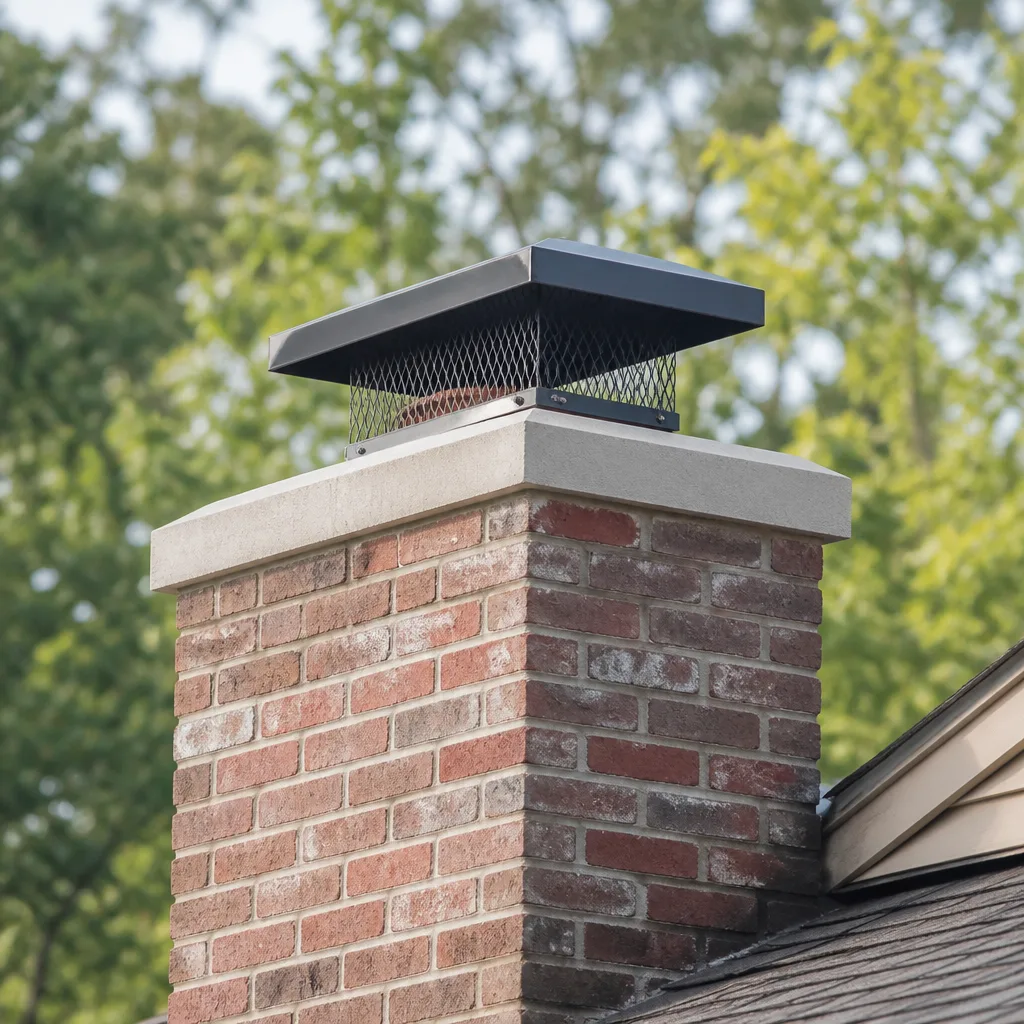
A chimney cap looks simple from the ground: a metal lid over the flue opening. That simplicity hides how much engineering goes into a cap that lasts. The cap is the first thing rain hits and the last line of defense against water getting into the flue. It also has to hold tight when the wind blows. In San Leandro, where winter rains arrive in concentrated bands, a poorly built cap becomes a slow leak that soaks into the chimney structure over an entire season without anyone noticing.
The first thing to check is the gauge of the metal. Cheap caps use thin stock that bends when you push on it. A technician installing the cap can feel the difference immediately. Thin material deforms under fastener pressure, which means the cap doesn’t seat tightly against the flue. Wind works it loose over time. The cap starts rattling, then it starts lifting, and eventually it’s hanging off the side of the chimney or gone entirely.
The second thing to check is how the cap attaches. Quality caps use a system that grips the flue tile or liner from the inside or wraps around the outside with positive mechanical fasteners. The cheapest options use a friction fit or a thin band that tightens with a single screw. Those hold until the first strong wind. The screen mesh also matters. Good caps use a stainless or copper mesh sized to keep out birds and larger embers without clogging with creosote. Olympic Chimney caps, for example, are built with these details in mind, and the difference shows up in how long they stay put and keep working.
Chase covers sit over factory-built chimney enclosures, and this is where the biggest material shortcuts live. A chase cover made of generic galvanized steel will rust through in a few years, especially in a climate like San Leandro’s where moisture sits on horizontal surfaces. Gelco chase covers are built from heavier-gauge stainless that’s made to shed water instead of collecting it. If you see rust streaks staining the siding below your chase, the cover has already failed, and the water is running into the framed enclosure. Once that framing gets wet, mold and rot follow.
If you’re considering full Chimney Cleaning San Leandro service that includes repair, the cap and chase cover should be part of the inspection, not an afterthought. A sweep who only pushes a brush up the flue and never looks at the cap is missing the most weather-exposed part of the system.
Resurfacing vs. Replacement: Where HeatShield Fits
When a liner shows cracks or spalling, the traditional fix is to install a new stainless steel liner inside the old flue. That’s a solid solution and sometimes the right call, but it’s not the only option anymore. HeatShield resurfacing restores the original flue lining by applying a ceramic-based compound directly to the damaged surface. It seals cracks, fills gaps, and creates a smooth, insulated surface without the cost and demolition of a full relining job.
HeatShield matters in this conversation because it’s a brand-trained process, not a generic product from a bucket. The compound is applied in layers to a carefully prepared surface, and the installer has to follow specific steps for it to perform as rated. That’s why the manufacturer certifies applicators rather than selling the material to anyone with a trowel. When a chimney company says they offer HeatShield, they’re saying they invested in training so the repair holds up.
From a homeowner’s perspective, the value is in the options. Some chimneys have liner damage that’s localized, not structural. A homeowner who doesn’t know about resurfacing might get quoted $4,000 for a full relining job when a HeatShield application would address the problem at a fraction of the cost. On the other hand, a homeowner who gets a cheap patch job with off-the-shelf refractory cement is paying for something that will crack again within a season or two. That’s not a repair. That’s a delay.
For San Leandro homeowners with older chimneys, this decision comes up often. Many homes in the area were built in the 1950s and 1960s, and clay tile liners from that era show age. We’ve found that homeowners who understand the difference between a manufacturer-tested resurfacing system and a generic patch are better equipped to evaluate the quotes they receive. The brand matters because the material has to survive repeated heat cycles without separating from the flue wall.
The Dryer Vent Side of the Equation
A dryer vent isn’t technically part of the chimney, but it carries the same fire risk, which is why dryer vent cleaning belongs in this conversation. The vent moves hot, lint-laden air from your dryer to the outside. Lint accumulates along the walls, and when it builds deep enough, the dryer exhaust can’t push through. Heat backs up. Dryers run hot, lint is fuel, and the result is one of the most common causes of house fires in the United States.
The material brands here are different from the chimney side, but the principle is the same. Famco builds venting components to commercial-grade standards, with tight connections and materials that don’t sag or separate under heat. Cheap venting products use thin aluminum that crushes easily. The joints fit loose. The pipe sags between supports, creating low spots where lint collects faster. One of the first things we check on a dryer vent is whether the venting material is even legal for the application. Some homes still have old flexible foil or vinyl venting that was common decades ago but is now known to be a fire hazard.
The reason this matters for brand choice is that a company that stocks Famco venting is treating dryer vents as a real service line, not an add-on. There’s a big difference between a chimney company that will “also do dryer vents” with whatever material they have in the truck and one that stocks dedicated venting products and treats the dryer vent as its own system with its own installation standards.
In San Leandro, dryer vents run through walls, floors, and crawl spaces, and many of them are longer than code recommends. Long runs accumulate more lint because the air slows down. A short vent might go years between cleanings. A long one might need attention every year or two. Either way, the venting material itself has to be rigid, properly joined, and free of sag. That’s a brand and installation issue more than a cleaning issue.
Verifying What Actually Gets Installed
An estimate that lists the right brand is a good start. The second question is whether the materials that arrive on the truck match the paper. This is where homeowners have more leverage than they realize. A reputable contractor doesn’t object to the question. We’d rather show you the product and explain the spec. It takes thirty seconds, and it builds the kind of trust that a written quote alone can’t create.
Here’s a practical approach for anyone in San Leandro working through a chimney repair:
- Ask to see the product before installation. If the estimate says DuraFlex, the liner that comes out of the truck should have DuraFlex printed on it. If the box is blank or the label has been peeled, ask why.
- Look for the alloy marking. A 316L liner carries a marking that identifies it as 316L. If the product doesn’t have a visible spec, the contractor should be able to show you the manufacturer’s documentation for the batch.
- Watch the installation. You don’t need to climb on the roof. You can watch from the yard. You should see the liner going into the flue, the top plate being set, and the cap being fastened. If the contractor wants to do the whole job while you’re not home, that’s fine if you trust them, but you’re entitled to see the work.
- Check the removed materials. If old components came out, ask to see them. Call it camera evidence. We take photo and video documentation of everything we remove so you have a visual record of what was wrong and what we did about it.
- Get the completed work in writing. The final invoice should list the exact materials installed, just like the estimate did. If the finish line is vague, so was the job.
This process might feel awkward the first time you do it, especially with a contractor you’re meeting for the first time. But consider the alternative. A liner is buried inside your chimney for twenty years. If the wrong product goes in, you won’t know until a cleaning reveals corrosion or a crack. The time to verify is before the product disappears into the flue, not after.
Common Mistakes to Avoid
- Treating “stainless steel” as one product. Stainless is a category, not a specification. 304 and 316L are different materials with different corrosion resistance. A quote that says “stainless liner” without the alloy is incomplete, not detailed.
- Choosing the lowest bid without comparing specs. Two quotes can differ by fifty percent because one uses a qualified brand and the other uses a generic import. If you can’t compare the material lines, you can’t compare the prices.
- Assuming a new cap is included with a liner job. Some quotes cover the liner and the top plate but leave the old cap in place. If the cap is worn, you’ve just protected the flue and left the top exposed. Ask whether the cap is part of the scope.
- Ignoring the dryer vent as part of the system. A homeowner who spends thousands relining a chimney and never cleans the dryer vent is protecting one fire source and ignoring another. The dryer vent deserves the same attention to material and installation.
- Accepting a repair without seeing the problem. If a contractor tells you the liner needs replacement and you can’t see the damage on camera, ask for the footage. No homeowner should write a multi-thousand-dollar check based on a verbal report.
- Skipping resurfacing as an option. HeatShield can extend the life of a damaged chimney for much less than a full relining. If your quote jumps straight to replacement, ask whether the damage could be resurfaced instead.
- Not asking about the installer’s training. A brand is only as good as the person who puts it in. HeatShield certification, DuraFlex installation experience, and manufacturer training all matter. Don’t be shy about asking where the technician learned the process.
When to Call a Professional
If your chimney has been flagged on a home inspection, if you’ve noticed rust streaks on the exterior, or if you smell something musty from the fireplace on wet days, call before the problem compounds. A chimney that’s leaking water into the flue is getting worse every time it rains, and San Leandro gets plenty of rainy days between November and April. We repair what we find, often during the same visit as a cleaning, which means you’re not left with a diagnosis and a referral to a second contractor. If you live in San Leandro, call (833) 736-8208 for a free estimate. We answer 24/7 and provide fast dispatch from 7am to 7pm, Sunday through Friday.
Frequently Asked Questions
DuraFlex is a commonly specified brand among professional chimney contractors because of its 316L stainless steel construction and smooth inner wall. The best liner for your home depends on the appliance and the flue size, which is why the spec matters more than the brand alone.
Yes. San Leandro’s rainy winter season means a cap made from thin or galvanized material will fail faster than one built from heavier stainless. Olympic Chimney caps use a heavier construction that holds its fasteners and resists warping in wind and rain.
Every repair is quoted per job because the scope depends on the condition of the chimney. A minor repointing job is different from a full relining or a chase cover replacement. Call (833) 736-8208 for a free estimate that spells out the materials and the work line by line.
That depends on the extent of the damage. HeatShield resurfacing can address cracked or spalling flue liners without a full relining, but only if the underlying structure is sound. A camera inspection tells you which option fits your situation.
A complete quote names the manufacturer and alloy of any liner, lists the cap or chase cover by brand, and describes the installation method. Vague terms like “stainless liner” or “new cap” are a sign the quote needs more detail before you sign it.
They’re separate systems with separate schedules. A dryer vent that runs a long distance through the house accumulates lint faster than a short one. If you can’t remember the last time the dryer vent was cleaned, it’s overdue. Call (833) 736-8208 to schedule both.
The Bottom Line
Brand literacy is a form of consumer protection. When you know which chimney liner, cap, and venting brands are specified by professionals, you can evaluate quotes on their merits instead of their total price. A stainless steel liner isn’t just a stainless steel liner. The alloy, the gauge, the manufacturer, and the installer all determine how long the repair lasts. For San Leandro homeowners dealing with damp winters and older chimneys, those details matter more than they do almost anywhere else. Ask for the spec. Expect the contractor to show you the product. And if the answer is vague, keep asking until it’s specific.
Written by the team at Chimney Cleaning San Leandro, serving San Leandro since 2013.
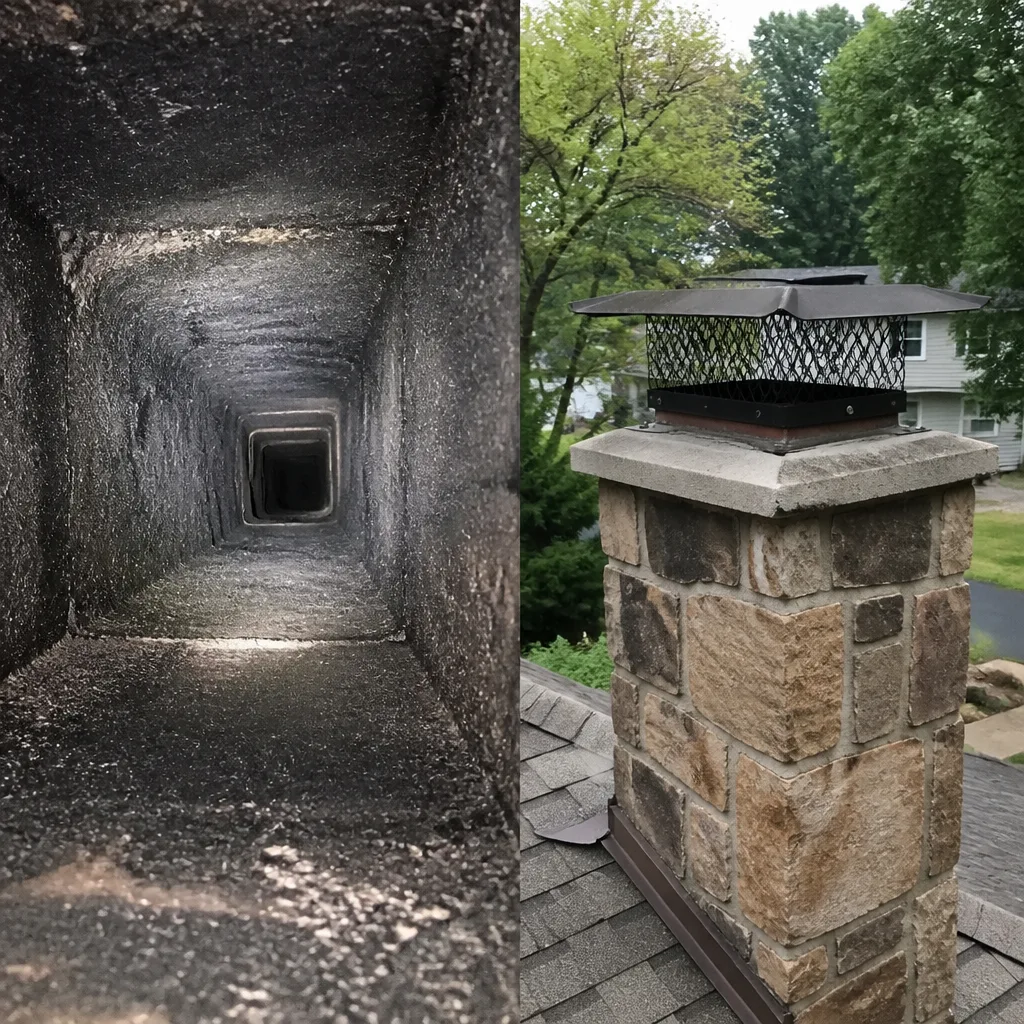
See the difference
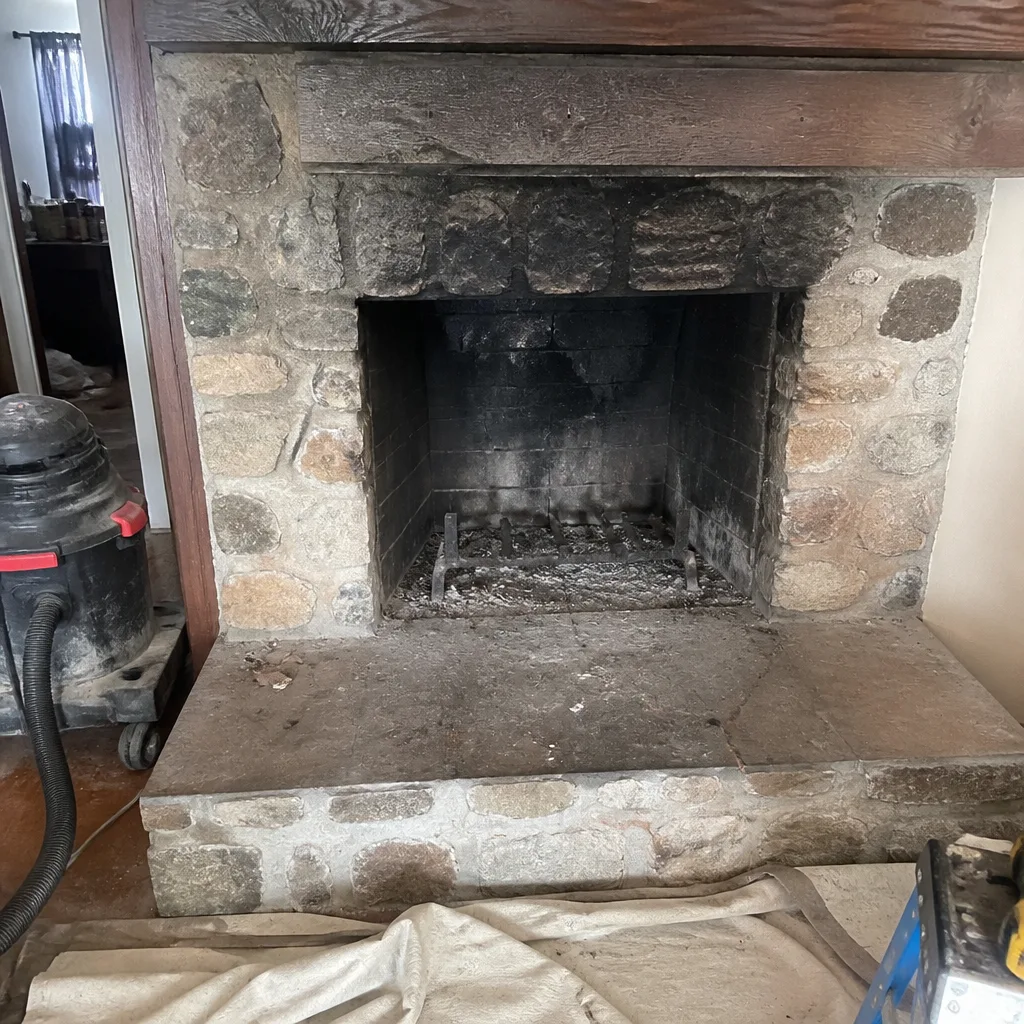 Before
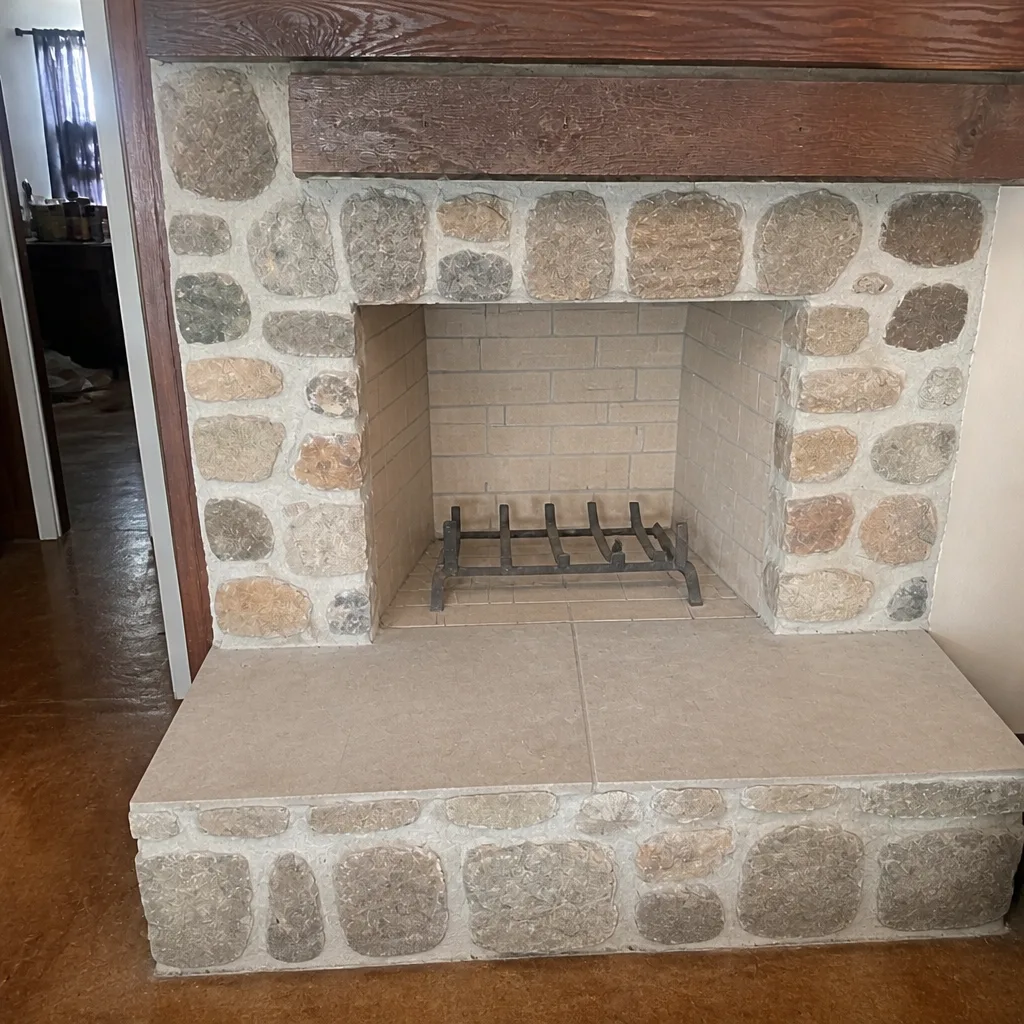 After
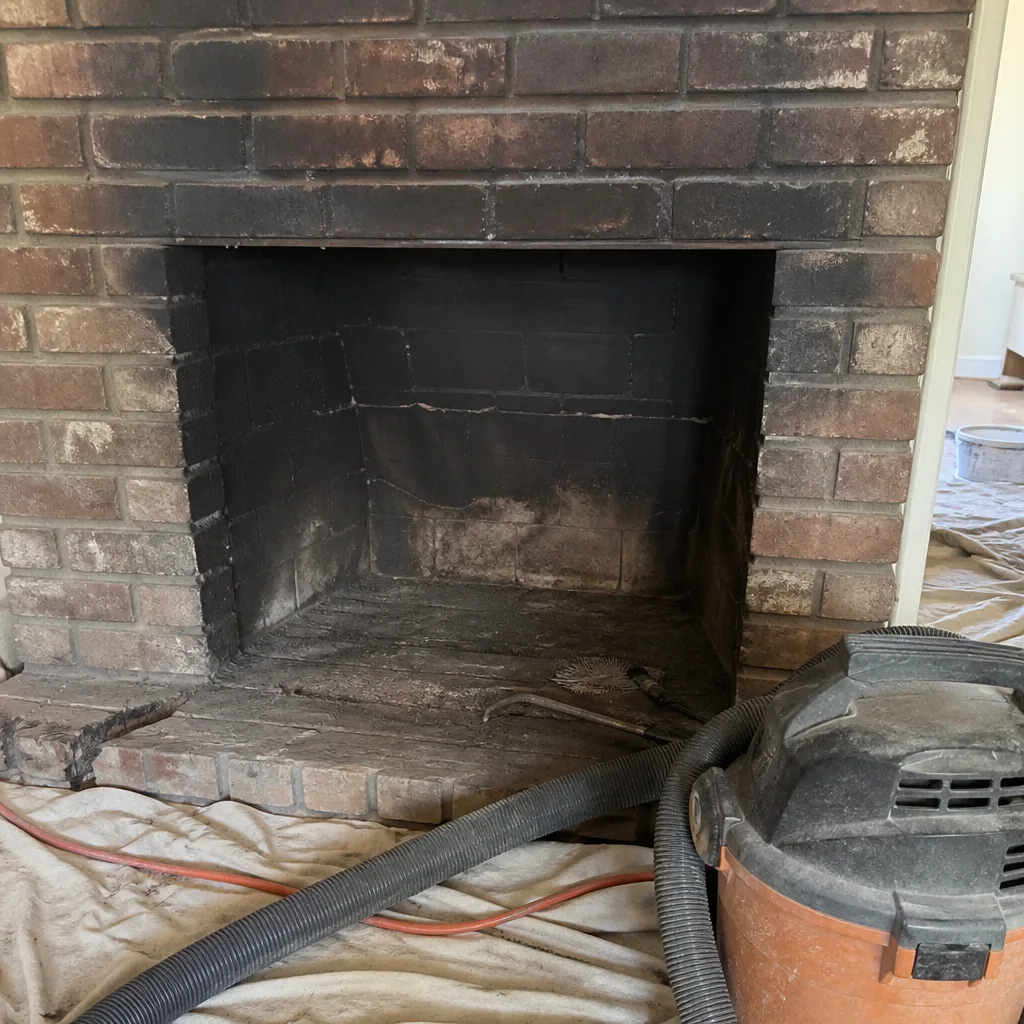 Before
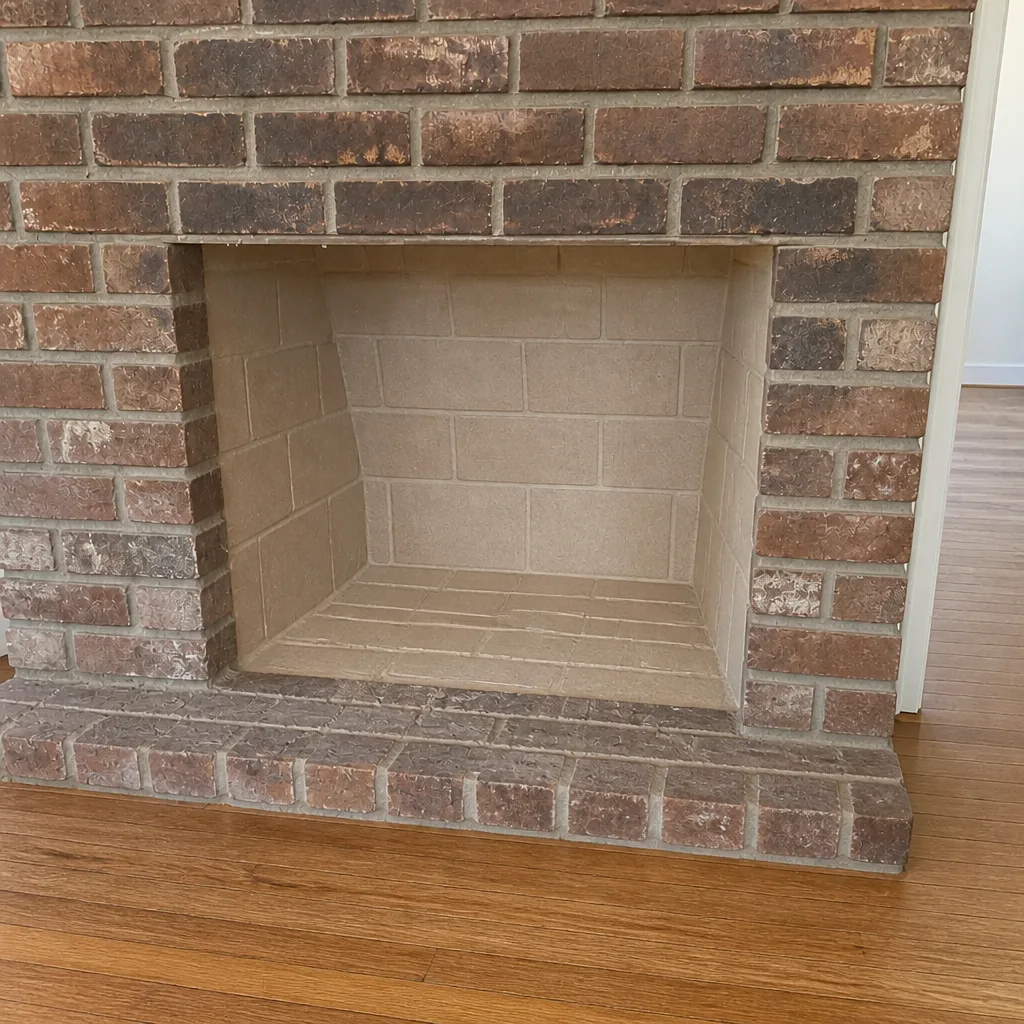 After
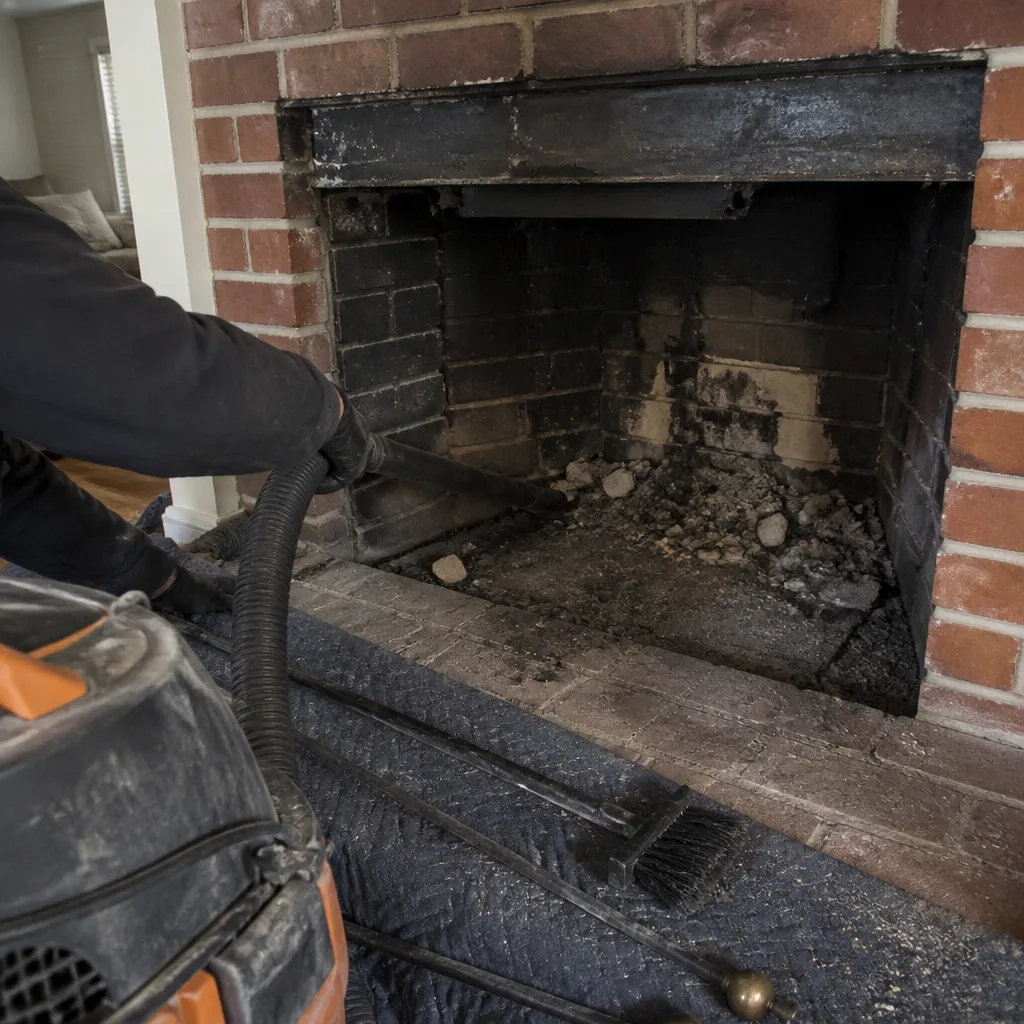 Before
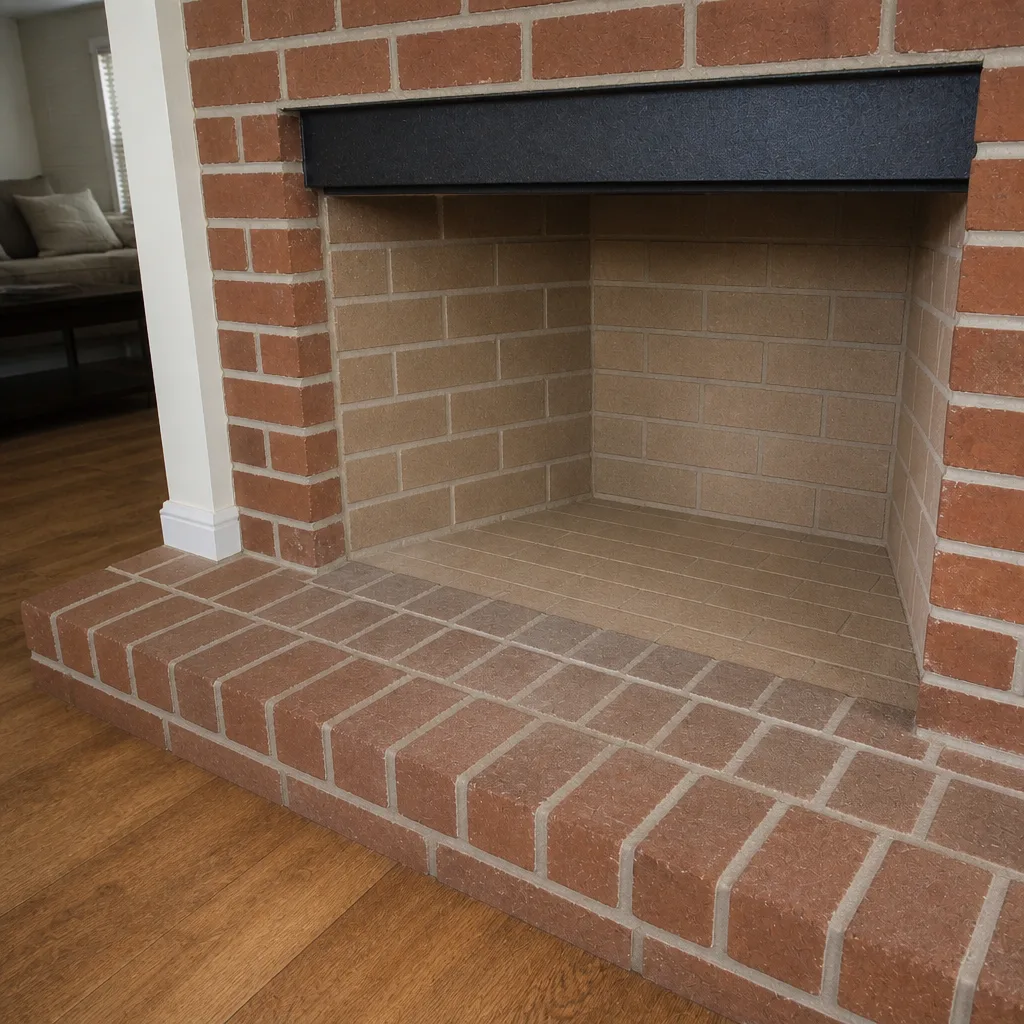 After