
Last updated November 4, 2026
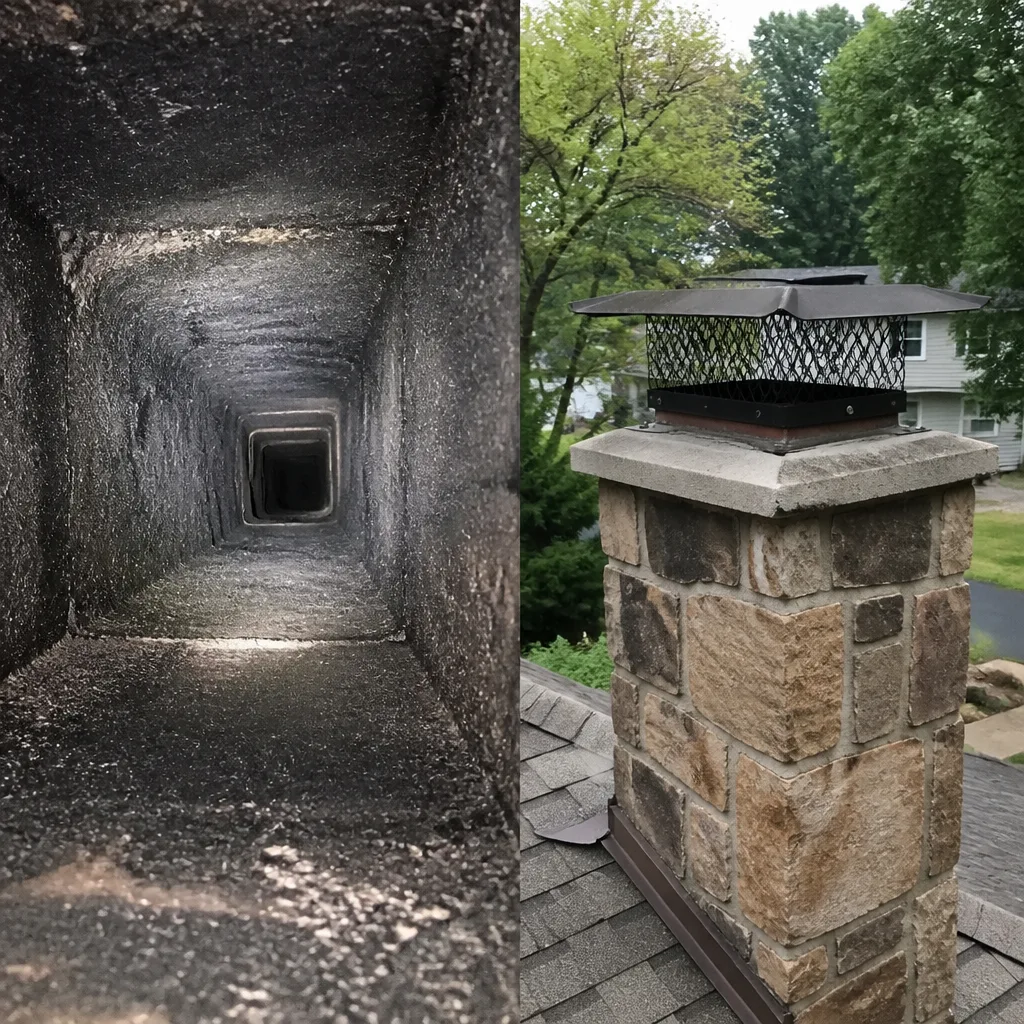 Sweep & inspection
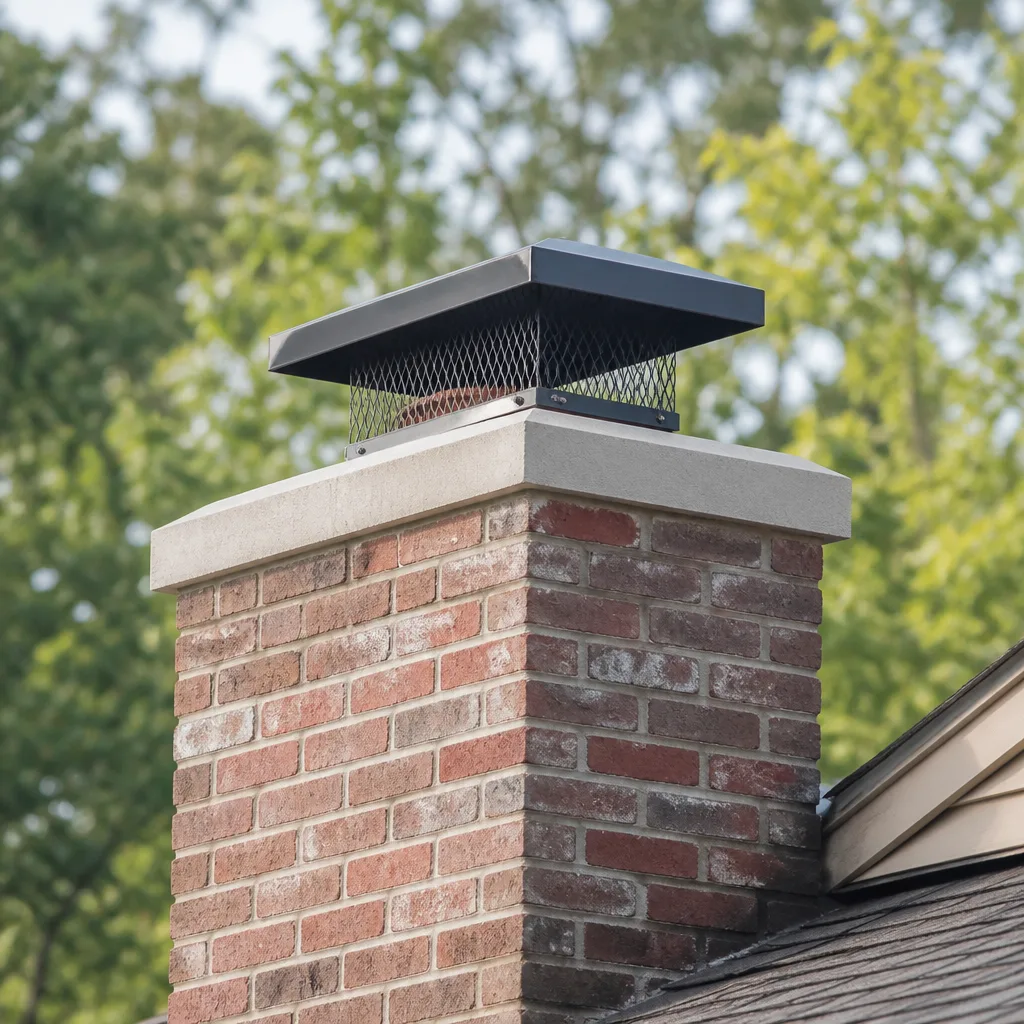 Caps & crowns
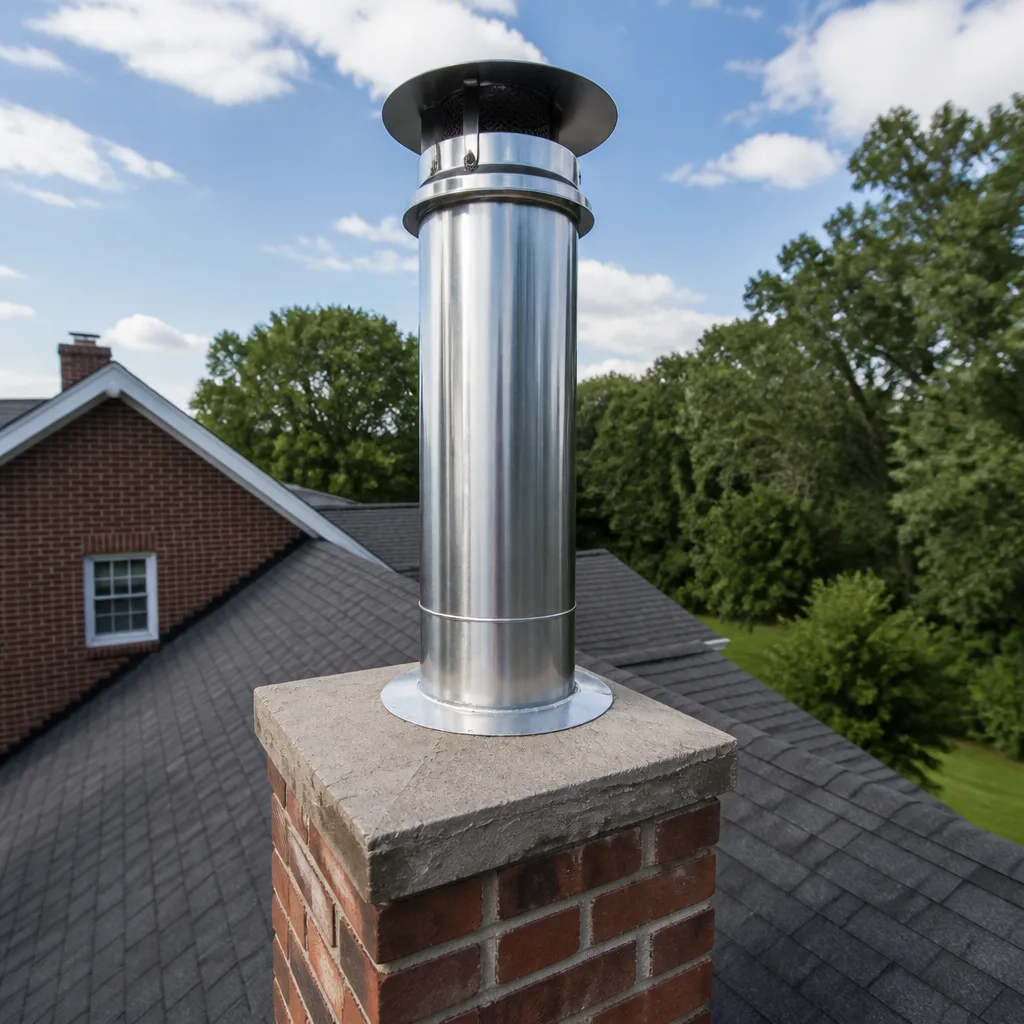 Flue relining
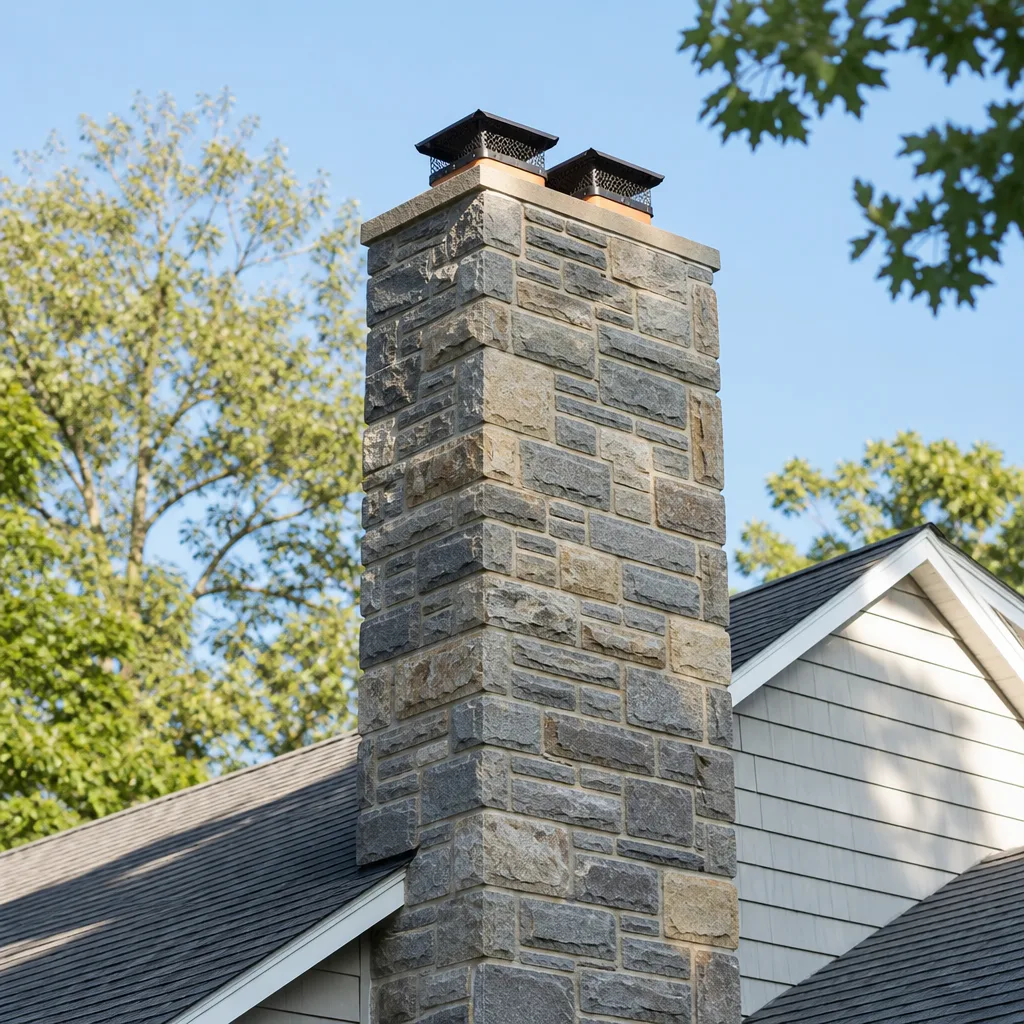 Masonry repair
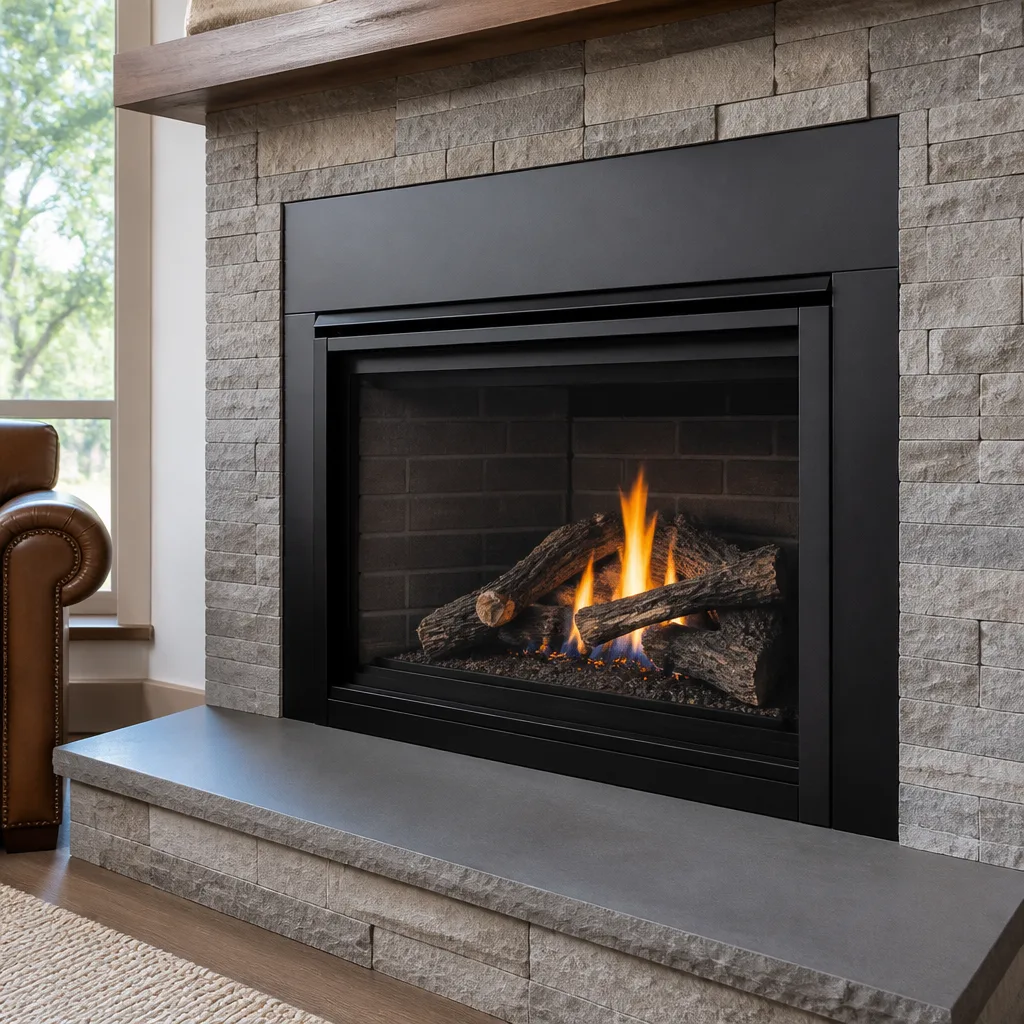 Gas fireplace service
Level 1 sweep and inspection to the NFPA 211 annual standard - flue, crown, cap, and flashing checked and photographed
Chimney sweep logs do not sweep chimneys. They loosen some creosote - which then falls where a brush and vacuum still have to collect it.
The Complete Guide to Chimney Cleaning in San Leandro
Most chimney fires don’t start because a homeowner ignored their fireplace. They start because someone swept the flue and nobody checked what was behind the creosote. A chimney cleaning in San Leandro should never be just a brushing; it should be a full system inspection of the liner, the cap, the crown, the firebox, and the draft path. This guide explains what a complete service actually involves, why coastal Bay Area air creates a different creosote pattern here than it does inland, and how to read the report you should receive when the job is done.
Styles & brands we work with
- Sweep & inspection
- Caps & crowns
- Flue relining
- Masonry repair
- Gas fireplace service
Quick Answer
Chimney cleaning in San Leandro is a system service, not a single-task sweep. A proper appointment includes creosote removal, a written condition report, and a visual inspection of the cap, crown, liner, and firebox. Most homes with regular wood-burning use should schedule this once per year, and the cost typically falls between $189 and $329 in the East Bay market, with repairs quoted separately after the inspection.
Table of Contents
- What a Complete Chimney Cleaning Service Actually Includes
- How Often Should a San Leandro Chimney Be Cleaned?
- Understanding Level 1, Level 2, and Level 3 Inspections
- How Bay Area Air Affects San Leandro Chimneys
- How to Read a Post-Service Chimney Report
- Which Follow-Up Repairs Need a Licensed Contractor
- What Does Chimney Cleaning Cost in San Leandro?
- Common Mistakes to Avoid
- When to Call a Professional
- Frequently Asked Questions
- The Bottom Line
What a Complete Chimney Cleaning Service Actually Includes
A real chimney sweep appointment is part cleaning, part diagnostic. We start with the flue itself: removing creosote and soot from the liner walls, then cleaning the smoke chamber and the damper assembly. Then we move to the firebox, where the actual burning happens, and the cap at the top of the flue, which is the first thing rain and wind hit. What we’re looking for is anything that changes the draft or allows heat to reach combustible material.
Here is the sequence of a full-system service, in the order it should happen:
- Drop cloths and floor protection laid around the hearth.
- Visual examination of the firebox, damper, and throat before cleaning.
- Mechanical brushing of the flue walls from the top or bottom, depending on roof access.
- Removal of creosote debris from the smoke chamber and clean-out door.
- Inspection of the liner surface, cap, crown, and chase cover.
- Draft test and written condition report with photos of anything unusual.
If the technician finds a cracked flue tile or a rusted damper during that sweep, you should know about it the same day, with a photo, not a vague note to “keep an eye on it.” That is the difference between a brush-and-go visit and a diagnostic cleaning. In San Leandro, where many homes date from the 1940s through the 1960s, the original clay liners are often at the end of their useful life, so the inspection part matters as much as the cleaning itself.
How Often Should a San Leandro Chimney Be Cleaned?
Every cord of wood burned leaves creosote behind, and creosote buildup is the single biggest cause of chimney fires. The National Fire Protection Association standard, NFPA 211, says chimneys should be cleaned when there is an eighth of an inch or more of soot buildup, and for most households with regular fires, that translates to once a year. If you burn soft woods like pine or you use the fireplace as a primary heat source, you may need it twice.
Here is a simple guide:
- Occasional use (fires on weekends, colder months): once per year.
- Regular use (three or four nights a week, November through March): once per year, and we might recommend a mid-season check.
- Heavy use (daily burning, large volumes of wood): twice per year.
- Gas fireplace or insert: annual inspection, with cleaning as needed. Gas produces little creosote but can leave residue on logs and glass.
San Leandro’s mild winters mean fireplaces often get used in bursts: a cold snap in December, another in January, maybe a few nights in March. That intermittent use actually allows creosote to cool and harden between fires, which makes it harder to remove and more flammable the next time the fire gets hot. A yearly cleaning catches that before the February fires get going.
Understanding Level 1, Level 2, and Level 3 Inspections
Every chimney cleaning in San Leandro should be paired with an inspection that follows the NFPA 211 standard. There are three levels, and knowing which one applies makes you a better consumer.
Level 1: The Annual Check
A Level 1 inspection covers the readily accessible parts of the chimney: the firebox, damper, flue interior, and exterior cap. This is the default level for a routine annual cleaning when nothing has changed about how you use the fireplace. It is visual, it is quick, and it does not require special equipment.
Level 2: When Something Changes
A Level 2 inspection becomes necessary when you change something about the system: you buy the house, you switch fuel types, you reline the flue, or the chimney has been through a storm, a fire, or an earthquake. This level includes everything in Level 1 plus access to attics, crawl spaces, and the roof. A camera scan of the flue interior is standard practice here, because it reveals cracks and gaps in the liner that a visual inspection from the top cannot see.
Level 3: When a Problem Is Suspected
A Level 3 inspection is the most invasive and is only called for when a Level 1 or Level 2 inspection has already identified a likely structural problem. It may involve opening walls or removing masonry to access hidden sections of the chimney. These are rare, and you should never be told you need one before a Level 2 camera inspection has shown why.
What matters for homeowners is this: a sweep-only visit that skips the inspection classification leaves you without a record of what the technician actually looked at. A proper report says what level was performed and what it found.
How Bay Area Air Affects San Leandro Chimneys
San Leandro sits near the Bay, and the air carries more moisture than it does in Livermore or Concord. That moisture does two things to a chimney. First, it mixes with creosote to form a sticky, tar-like glaze that hardens on flue walls and becomes very difficult to remove without rotary tools. Second, it works on the masonry itself, especially on crowns and caps that are already cracked or worn.
Mild winters mean the chimney never gets the deep cold that some climates use to dry out flue interiors. Instead, damp air lingers in the flue, and each fire bakes that moisture into the creosote. Over time, this creates a hard, shiny deposit called third-degree creosote, the type most likely to ignite. Homeowners in San Leandro should expect their sweeps to involve more than a standard wire brush when buildup is significant; rotary cleaning with a specialized head is often the practical way to remove the glaze.
The same moisture affects the mortar crown. A cracked crown lets water seep into the masonry below, which erodes mortar joints from the inside. You won’t see the damage from the ground. By the time you notice a leaning chimney or falling brick, the repair is structural, not cosmetic.
How to Read a Post-Service Chimney Report
A sweep without a written condition report is a drive-by. The report is the document that tells you what the technician saw, what condition it was in, and whether anything needs follow-up. If a company does not provide one, ask for it before you pay.
A useful report includes:
- The inspection level performed (Level 1, Level 2, or Level 3).
- The creosote type and thickness found before cleaning.
- The condition of the flue liner, including any cracks or gaps.
- The condition of the cap, crown, chase cover, and damper.
- A note on draft performance and any obstruction found.
- Photos of any recommended repairs.
- A written recommendation, not just a verbal one.
Photos matter. If someone tells you the liner is cracked and needs relining, you should be able to see the crack in the report. We use camera inspection on Level 2 work specifically so that the recommendation is backed by evidence you can view yourself. If a repair suggestion comes with no photo and no written note, get a second opinion before spending real money.
Some findings are urgent: a cracked flue tile, a missing cap, a damper that will not open. Others can wait. A little surface rust on the damper is not the same as a hole in it. Knowing the difference is the point of the report.
Which Follow-Up Repairs Need a Licensed Contractor
Chimney repair is not a handyman task. Masonry work, liner replacement, and anything that touches the structure of the chimney requires a contractor with the right experience, and in many cases a permit from the city of San Leandro’s building department. The city follows California building code, which treats chimneys as structural elements. Any relining, rebuilding, or crown replacement should be done by a licensed professional, not a generalist.
Here is a practical breakdown:
- Flue liner replacement or resurfacing: contractor. This is fire protection, not cosmetic. We install DuraFlex and Olympia Chimney liner systems, and we apply HeatShield resurfacing when the existing liner is sound enough to be saved rather than torn out.
- Crown repair or replacement: contractor. A proper crown is poured concrete with a drip edge, not a smear of mortar. A failed crown lets water into the chimney mass and shortens the life of everything below it.
- Cap replacement: contractor. A missing cap is an open pipe for rain, birds, and debris. We install Gelco and Copperfield caps, which are made for the job, not improvised from hardware store flashing.
- Damper repair: contractor. The damper controls draft and seals the flue when the fireplace is not in use. A stuck or rusted damper is a cold-air leak strip in winter and a path for backdrafting.
- Cosmetic brick repointing: sometimes a mason, but structural repointing should be a contractor. If the mortar joints are failing across the whole chimney, that is structural.
The repair capability matters because it means one phone call, not two or three. The person who finds the crack can also quote the fix, and the quote is based on an actual inspection, not a guess from the ground.
What Does Chimney Cleaning Cost in San Leandro?
Prices for chimney cleaning in San Leandro run a range, and the final number depends on the size of the flue, the type of creosote, and the access. Most standard cleanings for an open wood-burning fireplace fall between $189 and $329. If the home has a second flue for a furnace or water heater, that is typically cleaned separately and adds to the total.
Here is a typical cost structure for the East Bay market:
- Standard chimney sweep (one flue, open fireplace): $189 to $329
- Rotary cleaning for heavy or glazed creosote: $100 to $200 additional, depending on the severity
- Level 2 inspection with camera: typically $100 to $250 when combined with a cleaning
- Cap replacement: quoted separately, typically starting around $250 to $400 installed
- Crown repair: quoted separately, typically starting around $600 to $1,200 depending on access and damage
- Liner resurfacing with HeatShield: quoted separately, based on flue dimensions and condition
These are typical ranges for the San Leandro market, not fixed prices. Any company that quotes a firm number over the phone without seeing the chimney is guessing. The written estimate after an inspection is the number that matters.
We do not charge for the estimate. Call (833) 736-8208 to schedule a Chimney Cleaning San Leandro appointment, and the written quote comes after we have seen the actual condition of the flue.
Common Mistakes to Avoid
- Hiring a sweep-only company for a home built before 1960. Older San Leandro homes need a diagnostic inspection, not just a brushing. Missing a liner crack on a house with a 1940s flue can leave the home unprotected for another year.
- Delaying a repair because the fireplace still “works fine.” A cracked liner is invisible from the hearth. The fire still burns. The risk is in the flue, not the firebox, and it is the kind of problem that shows up suddenly.
- Accepting a verbal “you’re all set” instead of a written report. Without documentation, you have no record of what was checked and no way to compare year over year.
- Ignoring the dryer vent because it is not a chimney. Lint is a fire hazard, and a clogged dryer vent is a common cause of residential fires. We treat dryer vent cleaning as its own service, not an afterthought, because it is its own risk.
- Burning pine to save money and sweeping less often. Soft wood produces more creosote, not less. You don’t save money; you just move the cost into a bigger cleaning bill later.
- Painting over a leak stain on the ceiling without checking the chimney. Water coming through the chimney chase or crown will keep coming until the source is fixed. Paint is a bandage, not a repair.
- Waiting until fall to call. Every chimney company gets slammed in October and November. Scheduling in the summer means the fireplace is ready when the first cold night hits.
When to Call a Professional
Call when you see smoke spilling into the room instead of up the flue. Call when you smell a campfire-like odor in the house, even when no fire is burning. Call after a home inspection flags the chimney, after an earthquake, or after a chimney fire, even a small one. And call if it has been more than a year since anyone looked inside the flue. Chimney Cleaning San Leandro offers free estimates in San Leandro; call (833) 736-8208. We answer 24/7. Fast dispatch from 7am to 7pm, Sunday through Friday.
Frequently Asked Questions
Most standard chimney cleanings in San Leandro cost between $189 and $329 for a single flue, with additional charges for rotary cleaning of heavy creosote or for a Level 2 camera inspection. The written estimate after we see the chimney sets the final price. Call (833) 736-8208 for a free estimate.
Not always. A cracked clay tile liner should be addressed because cracks let heat and gases reach the chimney structure, but the fix is not always a full tear-out. We use HeatShield resurfacing when the existing liner is sound enough to be saved, which restores the surface without full replacement. Ask to see the camera photo before agreeing to any liner work.
Once per year for most homes that burn wood regularly. Homes that burn soft wood or use the fireplace as a primary heat source may need twice per year. The NFPA 211 standard recommends cleaning when creosote reaches an eighth of an inch, which happens faster in San Leandro’s damp air than it does in dry inland climates.
Creosote keeps building up, and damp Bay Area air hardens it into a glaze that is harder to remove and more flammable than the light soot from a single season. A skipped year also means no inspection, so a cracked cap or damaged crown goes unnoticed for another twelve months. The cleaning is cheaper than the repair.
Yes. Our technicians are repair-capable, which means a cracked cap, a failed damper, or a chimney crown problem can often be quoted and scheduled on the spot, not referred out. For liner work, we install DuraFlex and Olympia Chimney systems and apply HeatShield resurfacing, so the repair comes from the same company that found it.
We clean dryer vents as a separate, dedicated service, not a side note on a chimney job. Lint is a fire hazard on its own, and the dryer vent is a separate system with its own risks. If the dryer has been taking longer to dry clothes or the lint trap is filling faster than usual, the vent is likely due for cleaning.
The Bottom Line
Chimney cleaning in San Leandro is a system inspection disguised as a routine service. The sweep removes what has built up, but the real value is in what gets found before it becomes a fire or a structural failure. A proper appointment includes a written report, a defined inspection level, and a technician who can repair what he finds rather than pointing you to the next contractor in the chain. Schedule once per year, read the report, ask for photos, and call (833) 736-8208 when it is time. One visit, full picture.
Written by the team at Chimney Cleaning San Leandro, serving San Leandro since 2013.
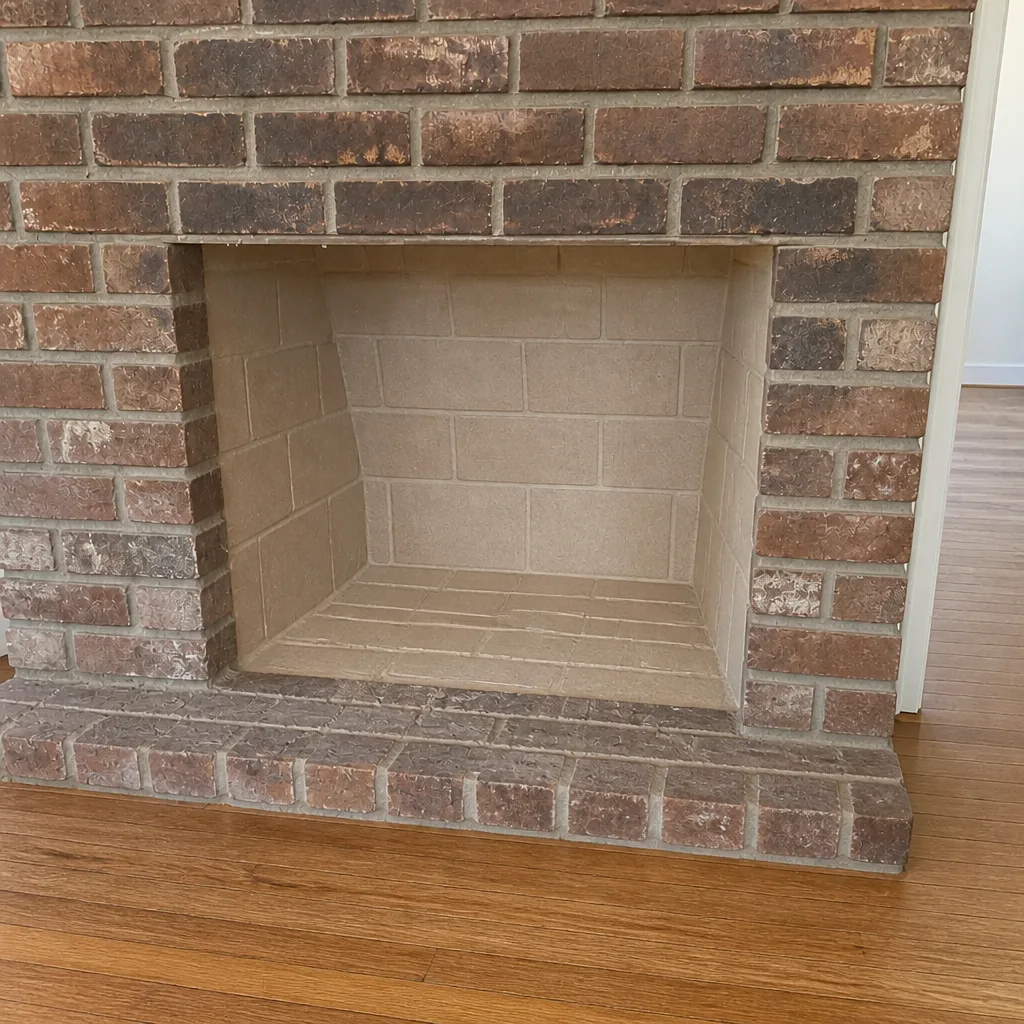
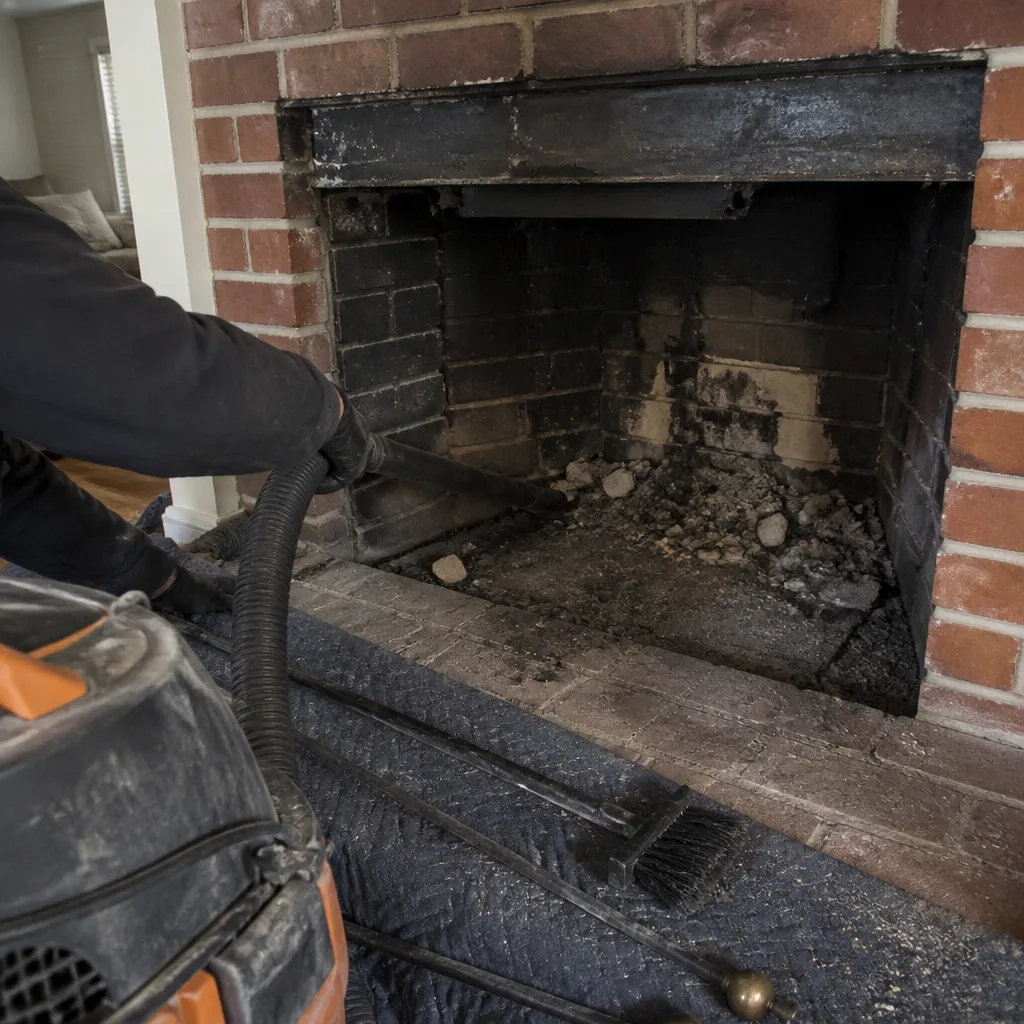
See the difference
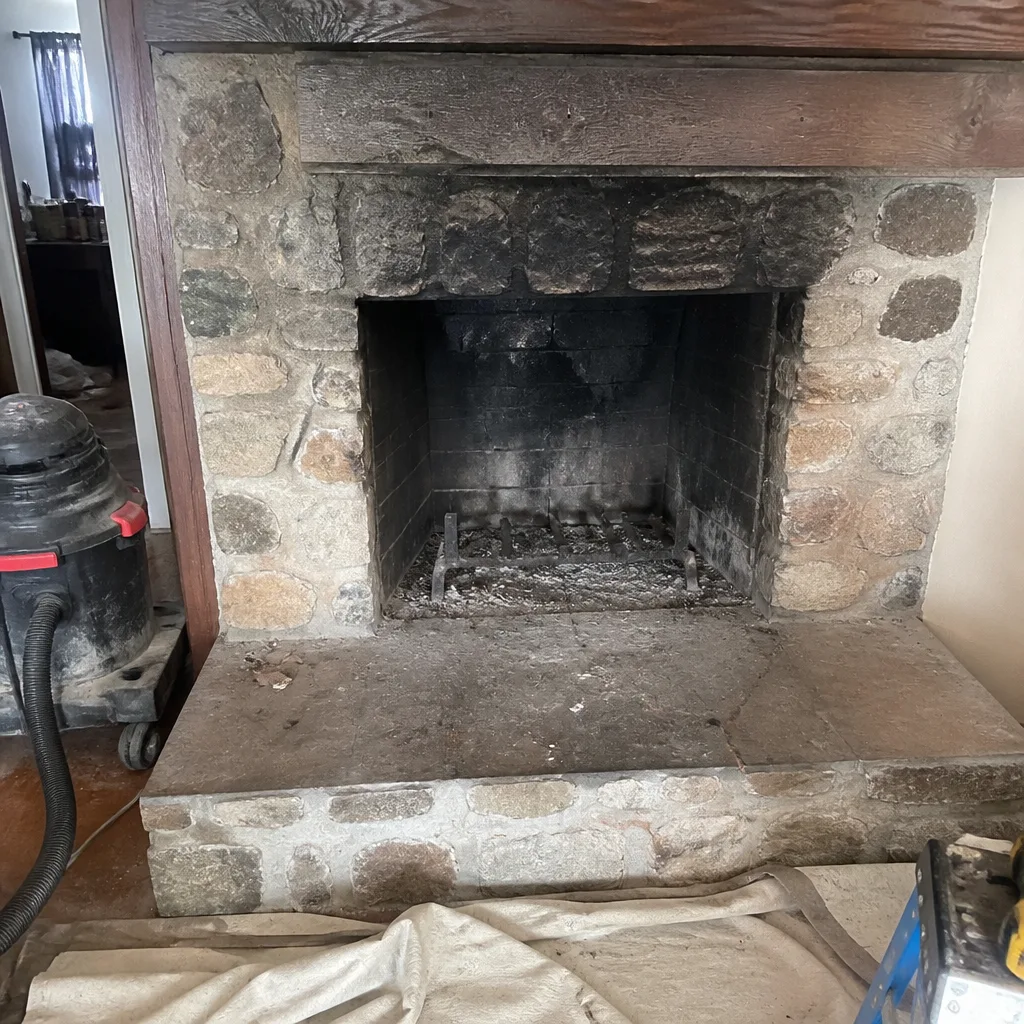 Before
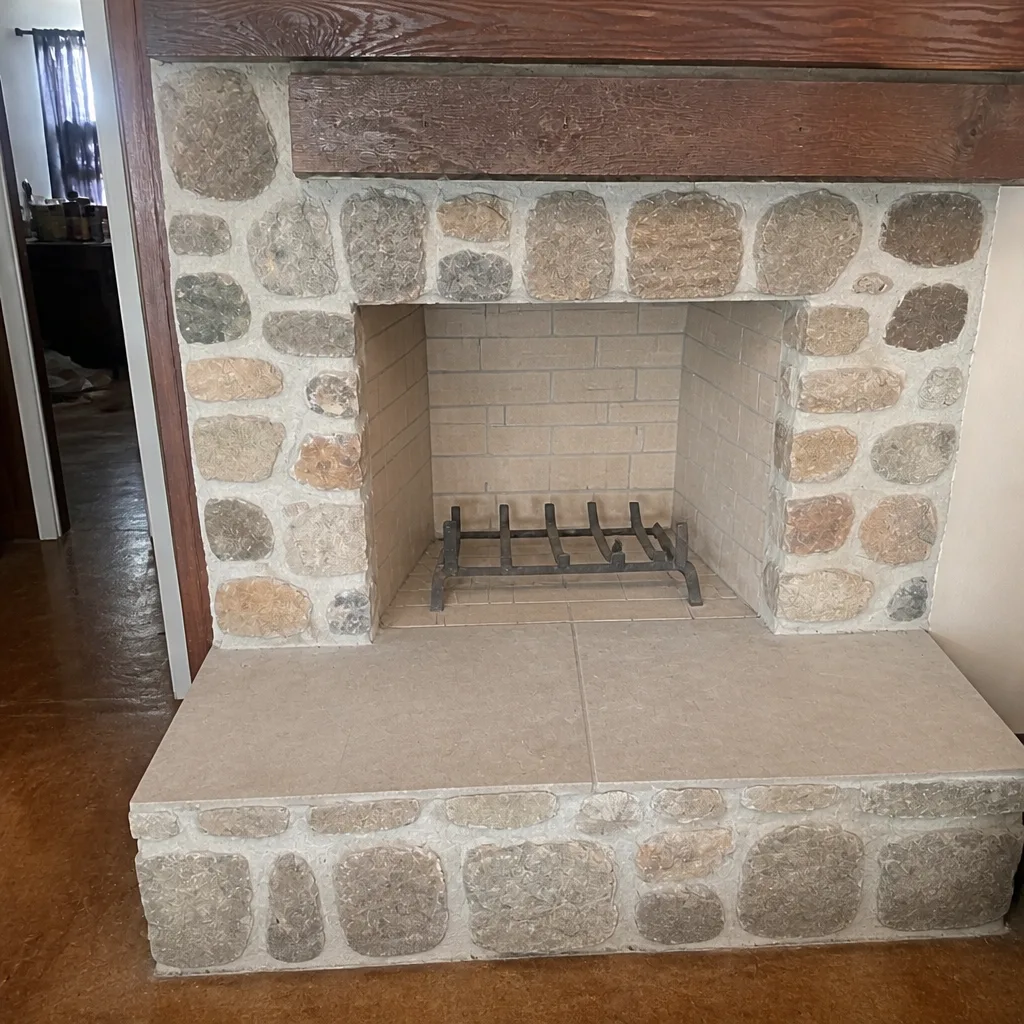 After
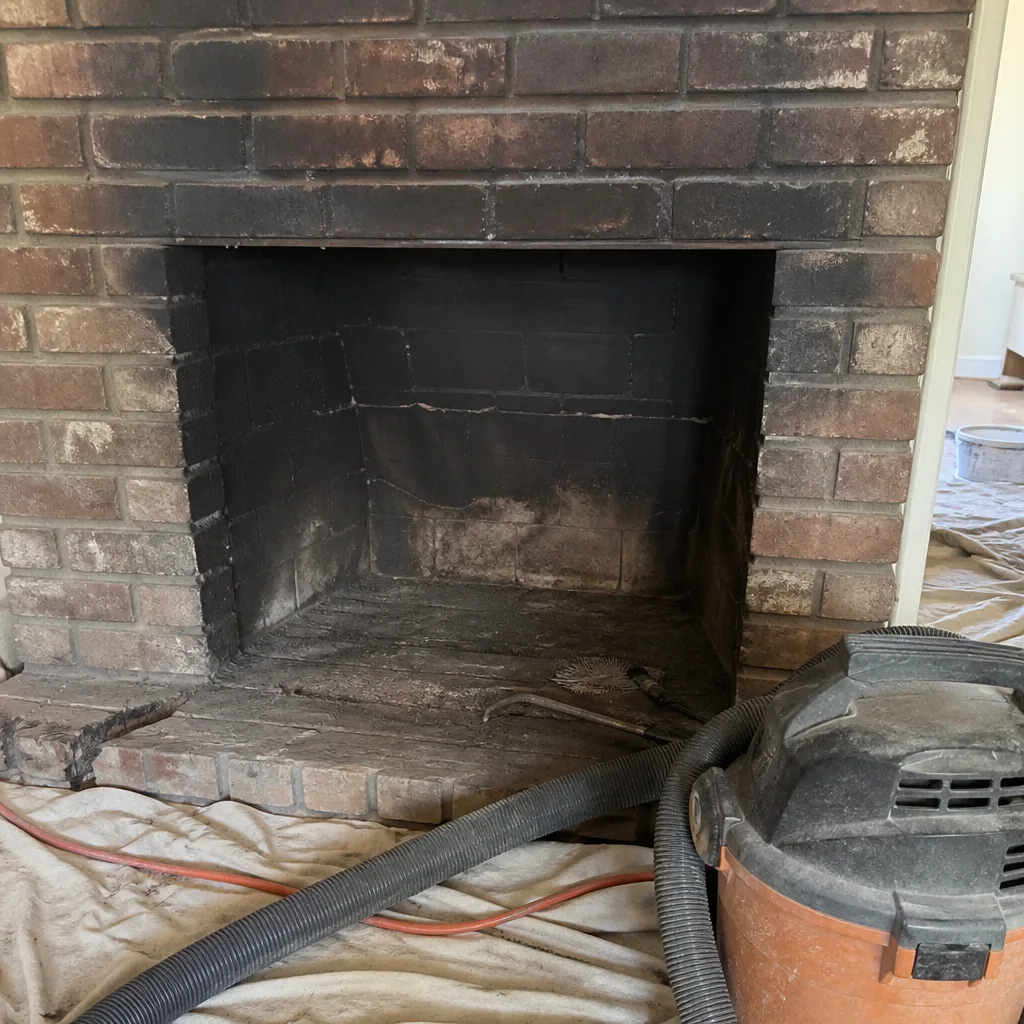 Before
 After
 Before
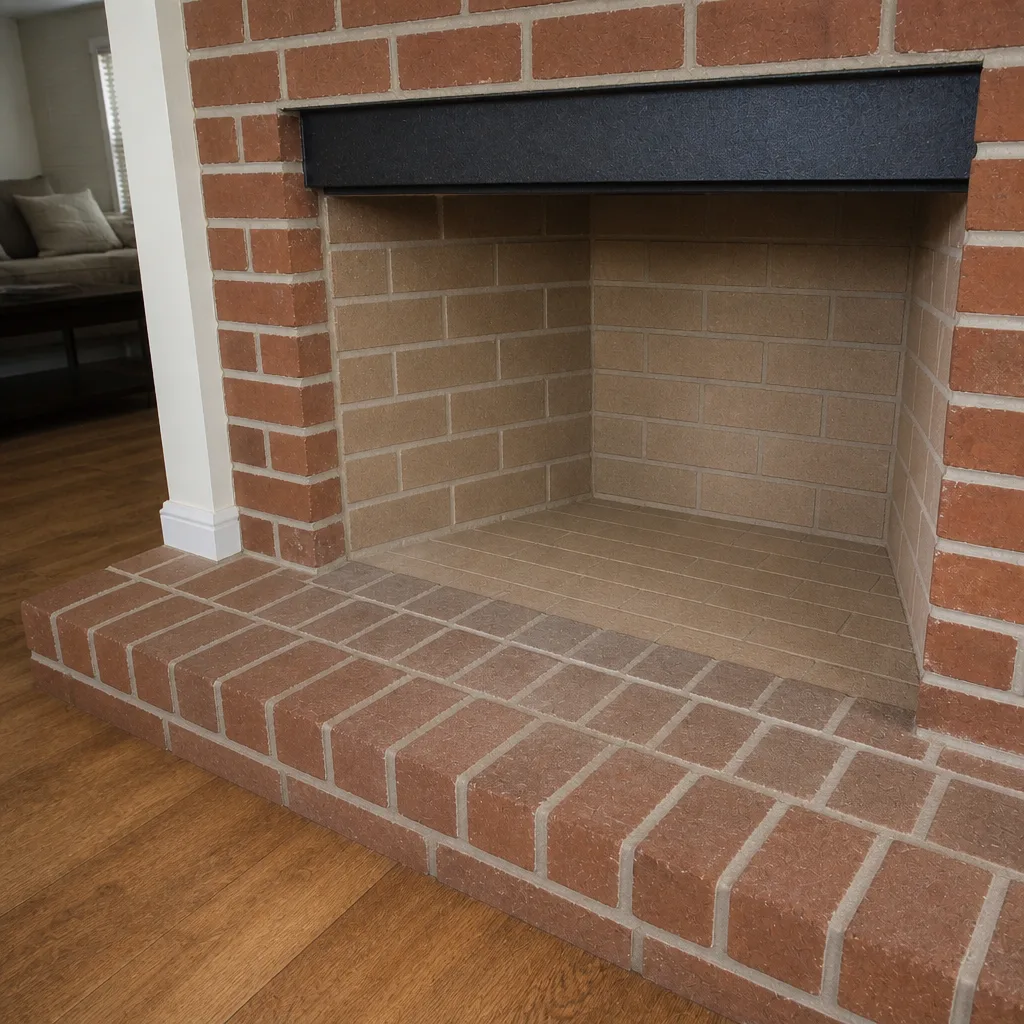 After