
Last updated November 4, 2026
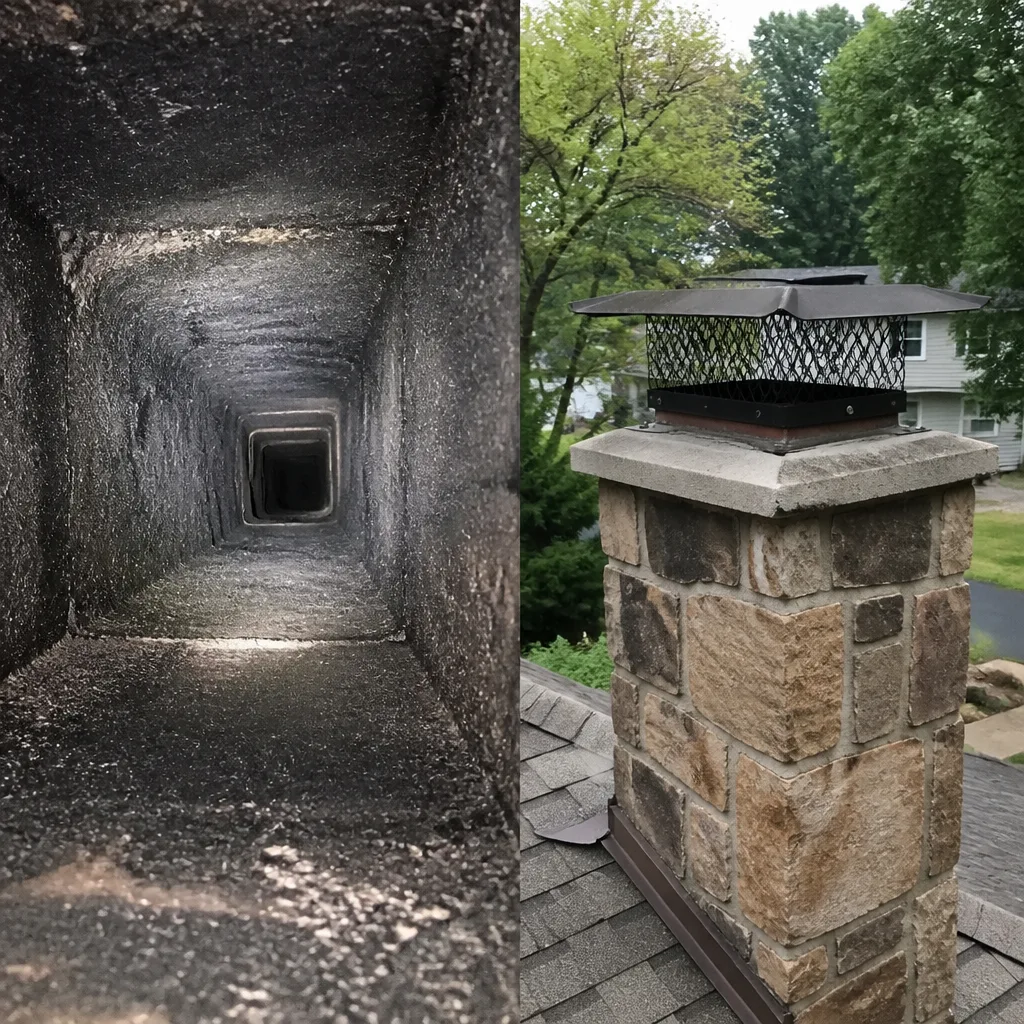 Sweep & inspection
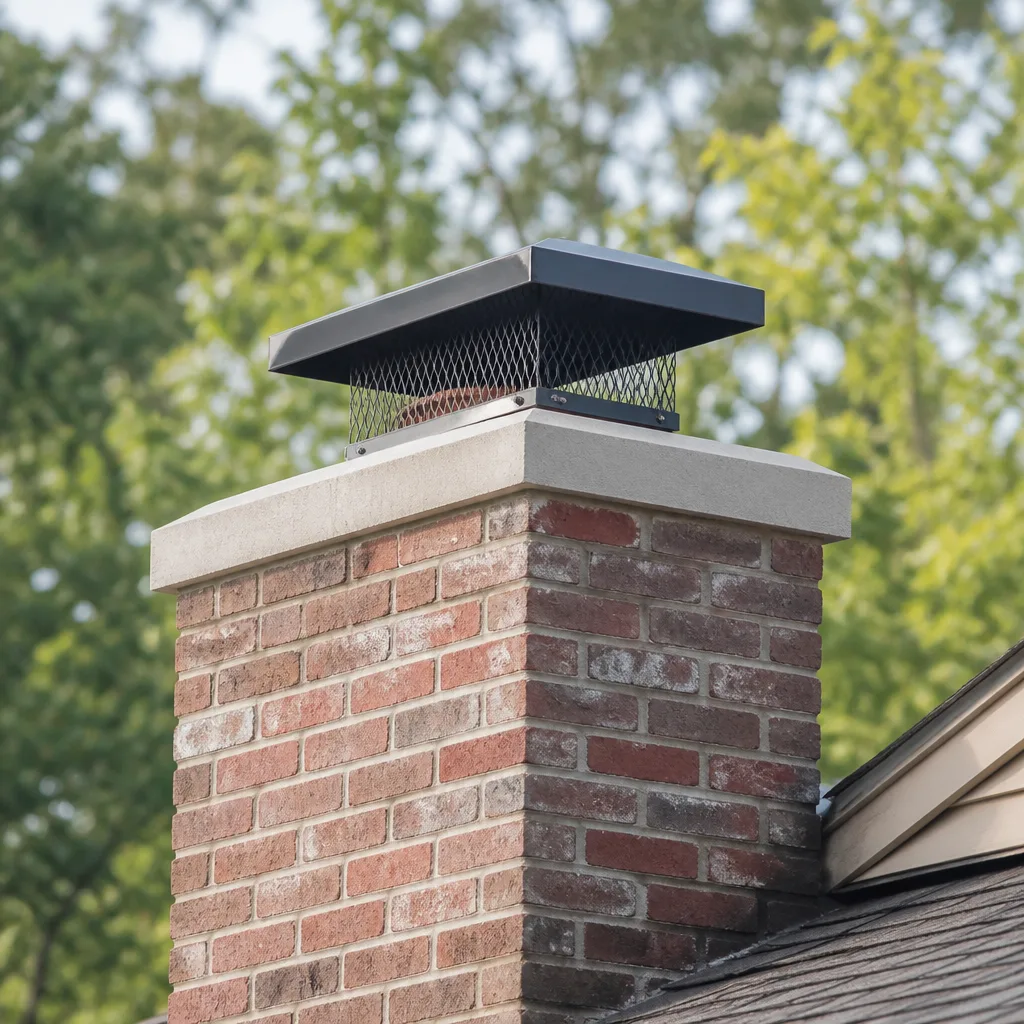 Caps & crowns
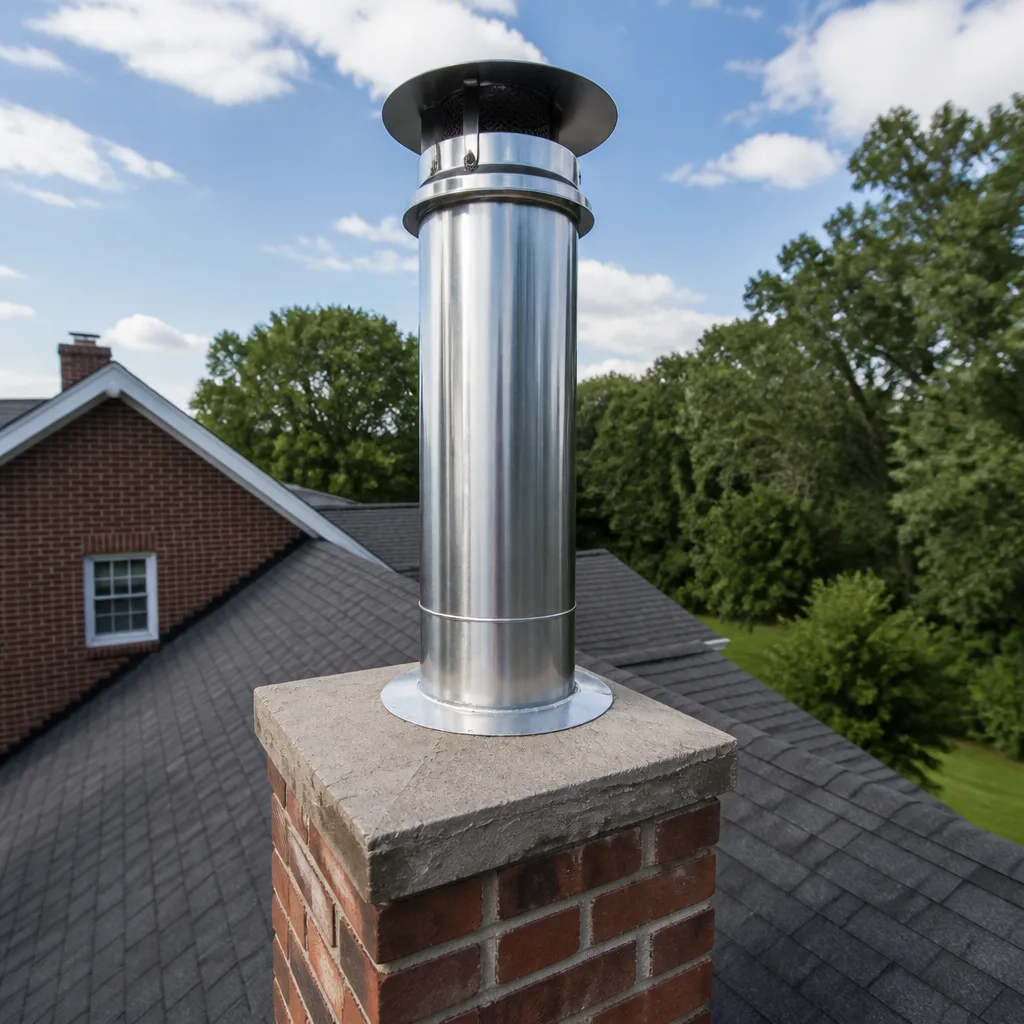 Flue relining
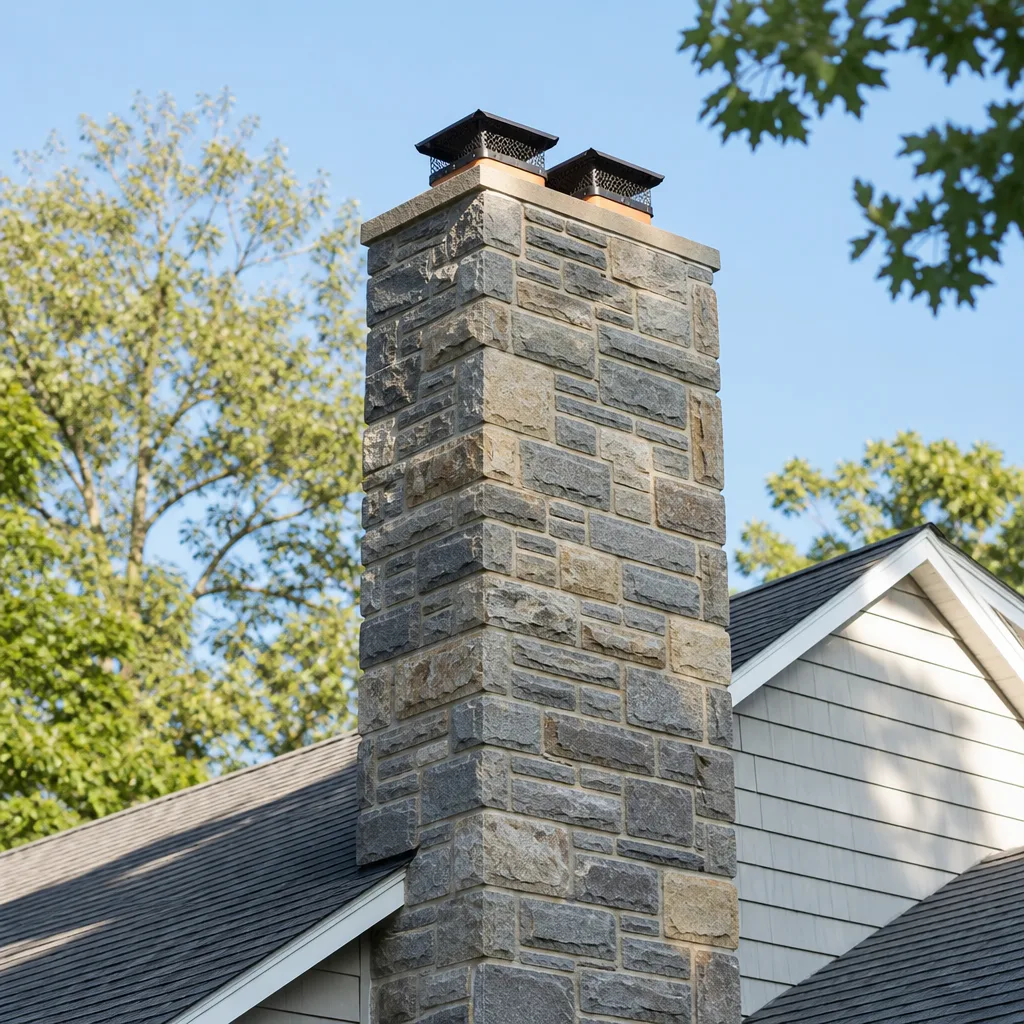 Masonry repair
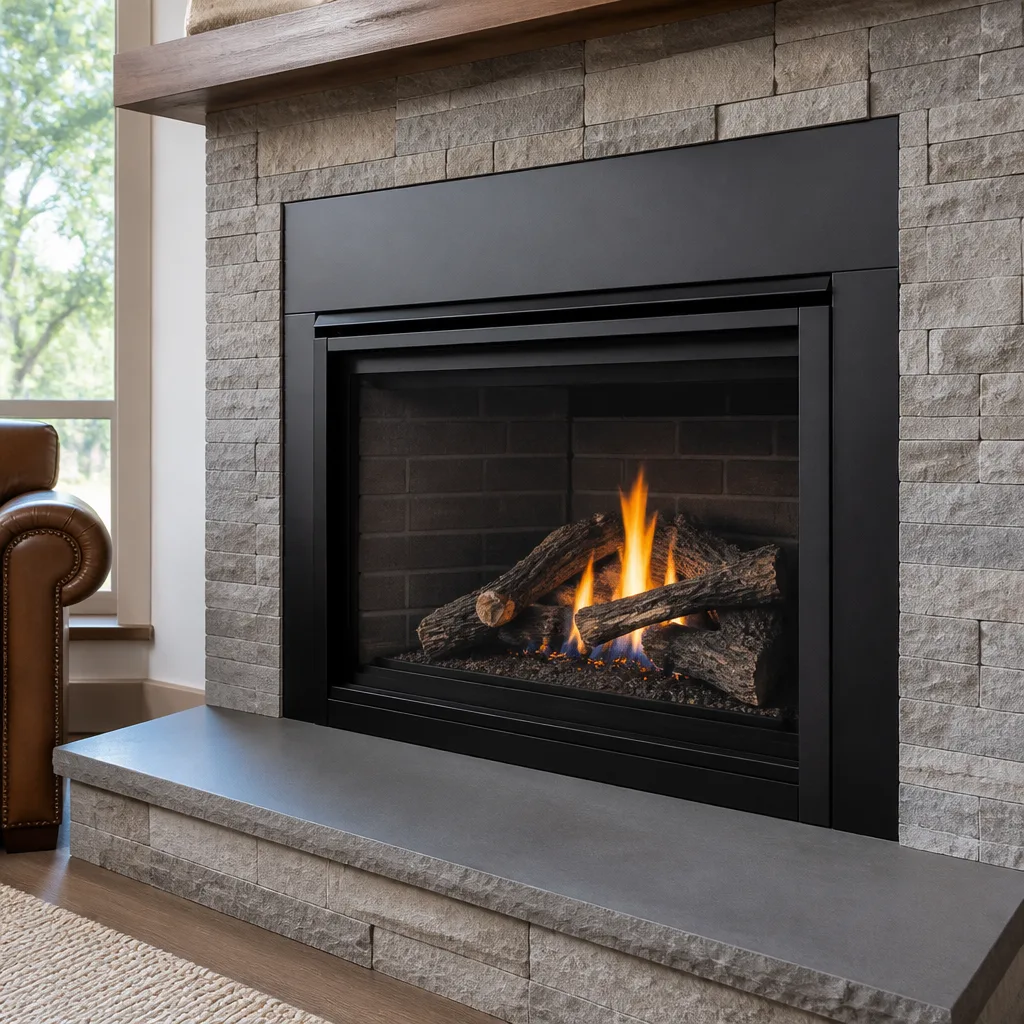 Gas fireplace service
Level 1 sweep and inspection to the NFPA 211 annual standard - flue, crown, cap, and flashing checked and photographed
Chimney sweep logs do not sweep chimneys. They loosen some creosote - which then falls where a brush and vacuum still have to collect it.
Chimney Sweep Maintenance Schedule: What to Do and When
Most homeowners in San Leandro treat a chimney sweep like a smoke detector battery: something you deal with once, then forget about for years. The flaw in that thinking is that your chimney is a working system with parts that wear at different rates depending on what you burn and how often you burn it. A gas fireplace and a wood-burning fireplace age completely differently. What follows is a maintenance calendar built around how your system actually ages, not a generic reminder to call someone every fall. We’ll cover what to do quarterly, what belongs on an annual schedule, and the specific timing that works for Bay Area homes.
Quick Answer
A wood-burning fireplace or stove needs a professional chimney sweep after every 40 to 50 fires, which for most Bay Area households works out to once per year. Gas fireplaces should be inspected annually even though they produce no visible soot, because they generate moisture and acidic byproducts that quietly corrode liners and fireboxes. Decorative-only fireplaces still need an annual visual inspection of the cap, crown, and flue interior, and your dryer vent needs cleaning on a parallel schedule: every 12 months for a typical household, or every 6 months if you have a large family, long vent run, or older dryer.
Styles & brands we work with
- Sweep & inspection
- Caps & crowns
- Flue relining
- Masonry repair
- Gas fireplace service
Table of Contents
- Wood-Burning Fireplace and Stove Schedule
- Gas Fireplace and Insert Schedule
- Pellet Stove Schedule
- Why Late Summer Beats Spring for Bay Area Chimney Service
- The Dryer Vent Calendar That Runs Parallel
- Quarterly Visual Checks You Can Do From the Ground and Firebox
- Building a Service Record That Protects Resale Value and Insurance Claims
- Common Mistakes to Avoid
- When to Call a Professional
- Frequently Asked Questions
Wood-Burning Fireplace and Stove Schedule
The industry-standard guidance is a sweep after every cord of wood burned, or roughly every 40 to 50 fires. In San Leandro’s mild climate, most people burn far less than a full cord in a season. They fire up the fireplace on damp winter evenings and a handful of holiday gatherings, then let it sit dormant from March through October. That usage pattern means an annual sweep is almost always sufficient, but the timing of that sweep matters more than people realize.
Here is the schedule we recommend for a wood burner in San Leandro:
- Annual sweep, timed for late summer or early fall. This removes creosote before the winter burning season starts. The ash and debris from last winter have had months to settle and absorb moisture in the flue, which can make creosote sticky and harder to remove if you wait years.
- Annual Level 1 inspection alongside the sweep. Every sweep should include a visual inspection of the firebox, damper, cap, and accessible flue interior. In our experience, the inspection finds more than the sweep does on most visits.
- Mid-season check if you burn more than expected. If a cold snap or unusually heavy burning season pushes you past roughly 50 fires before spring, schedule a second sweep. Creosote accumulation is a function of burn count, not calendar months.
- Every 5 to 7 years: a camera inspection of the flue interior. San Leandro homes with original clay tile liners from the 1950s and 1960s are common. Clay liners crack with age and heat cycling, and those cracks are invisible from the top or bottom without a camera. This is the inspection that catches liner damage before it becomes a fire hazard or carbon monoxide risk.
Creosote is the central risk with wood burning. It builds up as a hard, shiny glaze on the flue walls when wood smoke cools too quickly to fully combust. The danger is that creosote is fuel: a hot fire with enough creosote in the flue can turn a contained fireplace fire into a chimney fire. A chimney fire burns at temperatures that crack clay tiles, warp stainless liners, and can breach into the framing of the house. This is not a scare tactic. It is the mechanical reality of how wood fires work. Sweeping removes the fuel before it becomes a problem.
The type of wood matters, too, and San Leandro homeowners get this wrong regularly. Soft woods like pine and fir produce more creosote than hardwoods like oak, almond, or madrone. Green or unseasoned wood is even worse, because the water content suppresses combustion temperature and produces thick, tarry smoke. If you burn whatever is cheap at the grocery store or whatever a neighbor dropped off, you will need more frequent cleaning than someone burning properly seasoned hardwood. Season your wood for at least six months in a dry, covered area before burning it, and buy from a firewood supplier rather than burning scrap lumber, which can contain treated wood and release chemicals you don’t want in your house.
Gas Fireplace and Insert Schedule
Gas fireplace owners skip chimney service for years. The logic is understandable: there’s no soot, no ash, no smoke in the living room, so what could possibly need cleaning? The answer is that gas appliances produce moisture and acidic byproducts that corrode liners silently, and the damage shows up long after the warranty window closes. This is the most common false confidence we see in Bay Area homes.
A gas fireplace burns cleanly in terms of visible exhaust, but the combustion process generates water vapor. As that vapor rises through the flue, it cools and condenses. Over time, the condensate sits on the liner walls and eats at them. If you have a metal liner, the corrosion looks like pitting and rust. If you have a clay tile liner, the moisture and acids erode the mortar joints between tiles. Neither is visible without inspection.
The schedule for a gas fireplace in San Leandro:
- Annual inspection, whether or not you think it needs one. This checks the log set for positioning, the burner for debris, the pilot assembly for carbon buildup, the damper clamp for safety, and the flue interior for corrosion or blockage. Blockage in a gas flue is a carbon monoxide hazard, especially in older San Leandro homes where the flue may be shared or sized for a wood fireplace.
- Cleaning every 2 to 3 years in most cases. Gas appliances produce less creosote than wood, but they produce a fine, dusty soot that settles on the logs and inside the flue. That soot can build up enough to affect draft and send carbon monoxide back into the room if left long enough. The cleaning interval depends on how many hours you run the fireplace each season.
- Annual carbon monoxide detector test on the same day as the inspection. This is a homeowner task that takes two minutes, but we mention it on every gas inspection because the detector is the only thing standing between a blocked flue and a serious poisoning risk. If you don’t have a CO detector on every sleeping floor, install one before your next gas fire.
- Every 3 to 5 years: burner and pilot assembly service. Gas components accumulate carbon deposits that affect flame pattern and efficiency. A technician can clean or replace these during a standard inspection visit if they’re accessible.
If your gas fireplace was installed as a direct-vent unit that exhausts through an exterior wall rather than a chimney, the annual service still applies. The vent cap on an exterior wall can become blocked by leaves, bird nests, or debris, and the seal around the vent can deteriorate in San Leandro’s wet winters. A visual check from outside plus an interior inspection of the burn chamber is enough to catch most issues.
The warranty point deserves emphasis. Most gas fireplace manufacturers require annual service as a condition of warranty coverage. If a component fails in year four and you cannot produce a service record showing annual inspections, the manufacturer can deny the claim. We hear the phrase “but the warranty should cover this” regularly, and the answer is usually that the warranty had a maintenance condition nobody mentioned at the time of installation. Keep your service records for the life of the appliance.
Pellet Stove Schedule
Pellet stoves are a different animal from wood stoves or fireplaces. They burn a dense, compressed fuel that produces less creosote than split wood, but they generate a lot of ash and require mechanical maintenance that wood stoves don’t. If you own a pellet stove in San Leandro, your schedule is two-tiered: weekly homeowner tasks and annual professional service.
The homeowner should empty the ash pan weekly during burning season, check the burn pot for hardened ash or clinkers every few days, and vacuum the interior of the stove monthly. The flue on a pellet stove runs cooler than a wood stove flue, so it cannot support the same level of draft. That means even a small amount of ash buildup in the exhaust path can restrict airflow and cause the stove to shut down or burn inefficiently.
The professional schedule for a pellet stove:
- Annual full cleaning before the heating season. This includes removing the combustion blower and cleaning its blades, clearing the exhaust vent from the firebox to the termination cap, checking gaskets and seals for wear, and inspecting the auger motor and feed system for binding.
- Annual vent inspection for blockages. Pellet stoves in San Leandro often vent through an exterior wall rather than a chimney. Birds and rodents will nest in a horizontal vent, especially during the long mild season when the stove sits unused. A blocked vent is a carbon monoxide hazard and a common cause of soot blowback into the room.
- Every 2 years: gasket replacement on the door and hopper lid. Worn gaskets let air leak into the combustion chamber, which disrupts the fuel-to-air ratio and makes the stove burn dirty. This is a cheap fix that noticeably improves burn quality.
Pellet stoves are also picky about fuel. The cheap pellets at the hardware store often contain more fines and dust, which clog the auger and produce inconsistent burns. Buy premium-grade pellets with a low dust content and store them somewhere dry. Damp pellets swell, crumble, and feed poorly. In San Leandro, where winter humidity is a factor even without heavy rain, storing pellets in a sealed container makes a real difference.
Why Late Summer Beats Spring for Bay Area Chimney Service
Most chimney companies run their marketing calendars on a spring rhythm: clean the chimney when you stop using it, then forget about it until fall. For San Leandro homeowners, that timing is backwards. The best window for annual service is late summer, August through October, before the first serious burn of the season.
Here is the logic. If you sweep in spring, the flue sits empty and unused for six months. During that time, birds can nest on the cap, leaves and debris can blow in, and in the damp months, any residual moisture in the masonry can cause spalling and deterioration. When you go to light the first fire in November, you are lighting a fire in a flue that has not been inspected in half a year. The spring sweep gave you a clean flue; it did not give you a verified safe one for the season ahead.
A late-summer service reverses that. The sweep happens weeks before you need the fireplace. The inspection looks at the cap, crown, and flue in their off-season state, catches any damage from the previous winter, and gives you time to schedule repairs before burning season. If the inspection finds a cracked tile or deteriorating mortar joint, you can have it repaired in September or October when the weather is mild and you’re not desperate for heat. Wait until November and every chimney company in the region is booked out for weeks, and you end up either burning through a damaged flue or skipping the fire entirely.
There is also a practical reason specific to the Bay Area. Our fall is actually our fire season. The dry, windy months from September through November are when wildfire risk peaks, and many San Leandro homeowners choose or are asked to avoid wood burning on Spare the Air days. That means your real burning season may not start until December, and a September service puts you ahead of the curve rather than behind it. The scheduling is less crowded in late summer than in November, which means faster appointments and more time for the technician to do a thorough job.
One more factor: chimney repair materials cure differently in different conditions. HeatShield and other ceramic repair products apply and set best in mild, dry weather. If a late-summer inspection finds a liner issue that can be addressed with HeatShield resurfacing rather than full replacement, doing it in September gives the material its best chance to cure properly. Scheduling that same repair in December means waiting weeks for weather windows and often means deferring the fix until spring.
The Dryer Vent Calendar That Runs Parallel
Dryer vents are a fire hazard, not a minor chore. Lint accumulation is the leading cause of dryer fires, and most homeowners never think about their dryer vent until the dryer stops drying or the smoke alarm goes off. The maintenance calendar for a dryer vent should run parallel to your chimney service, not behind it.
The benchmark schedule for dryer vent cleaning in a typical San Leandro home:
- Every 12 months for a household of one or two people with a vent run of 10 feet or less and an efficient dryer under 10 years old.
- Every 6 months for a household of three or more people, especially if you do laundry daily, have pets, or use cloth diapers or heavy fabrics.
- Every 6 months regardless of household size if your vent run is long (more than 15 feet), has multiple elbows, or vents through the roof rather than an exterior wall. Long runs and bends create more places for lint to accumulate.
- Immediately after moving into a new home. You have no idea what the previous owner’s lint buildup looks like, and a clogged vent is a housewarming gift nobody wants.
- Immediately if the dryer takes more than one cycle to dry a load. This is the universal warning sign of a restricted vent. A properly vented dryer dries a standard load in one cycle, and anything more than that is lint accumulation, not a dryer problem.
The parallel-schedule logic is simple. If you’re already scheduling an annual chimney inspection, the technician is at your house with all the tools to do a Chimney Cleaning San Leandro visit and a dryer vent cleaning in the same appointment. You consolidate two safety-critical maintenance tasks into one trip, which saves you scheduling time and means both systems get verified on the same day every year. We stock and install Famco venting products for dryer vent replacement work, which means a vent that has deteriorated or separated can be replaced during the same visit rather than deferred to a separate contractor.
The problem with dryer vents in San Leandro specifically is that many homes vent through a crawlspace or an interior wall before reaching the exterior. These long, hidden runs are exactly where lint accumulates in dangerous quantities, and they are also where a disconnected or damaged vent pipe can pump humid exhaust air into the structure of the house. That moisture feeds mold and attracts pests. An annual cleaning plus a visual inspection of the accessible vent run catches these issues before they become structural problems.
Quarterly Visual Checks You Can Do From the Ground and Firebox
Between professional visits, a homeowner in San Leandro should spend ten minutes every quarter looking at the fireplace or chimney in ways that don’t require getting on a roof. Four times a year is often enough to catch problems early.
What to check from the ground, walking around the house:
- Look at the chimney cap with binoculars. The cap should be squarely seated on top of the flue, not tilted or missing. A missing cap in San Leandro invites rain, birds, squirrels, and leaves into the flue. If you can see daylight between the cap and the flue tile, call for a repair.
- Look at the crown, the concrete slab that caps the masonry chimney. Cracks in the crown let water into the brickwork. You can see hairline cracks from the ground with binoculars in good light. A cracked crown is a repair that should happen before the winter rains.
- Look at the brick or stucco face of the chimney for cracks, stains, or missing mortar. Water intrusion shows up as efflorescence, a white, chalky mineral deposit on the brick face. That means water is moving through the masonry, and it will keep moving until the intrusion path is sealed.
- Check for water stains on the ceiling or wall around the fireplace inside the house. A leak around a chimney in San Leandro’s winter storms often shows up first as a discolored ring on the ceiling, not as water pooling in the firebox. Check after the first heavy rain of the season.
What to check inside the firebox, without any tools:
- Shine a flashlight up the flue with the damper open. You’re looking for shiny, black, glazed patches on the flue walls, which is stage-three creosote and a fire risk that needs a professional sweep before the next burn. A fine, dark powder is normal; a hard, shiny glaze is not.
- Look at the firebox floor and back wall for cracked or missing bricks. The firebox is built to handle direct flame, but it still deteriorates over time. A cracked firebrick can expose the framing behind it to heat.
- Check the damper for smooth operation and full closure. A damper that sticks or doesn’t close fully lets conditioned air escape up the chimney year-round, which you’ll feel as a draft and see on your heating bill.
- Look for rust or discoloration on a metal firebox or insert. Rust means water is entering somewhere, either through a failed cap, cracked crown, or bad flashing at the roofline.
None of these checks require getting on a ladder or the roof. From the ground with binoculars and from the firebox with a flashlight covers the major visible failure points. If any of these checks raises a question, schedule a professional inspection. The quarterly check is not a substitute for an annual professional service, but it closes the gap between visits and catches fast-moving problems early.
Building a Service Record That Protects Resale Value and Insurance Claims
A chimney is one of the few home systems where the maintenance history can directly affect both your insurance coverage and your resale value, and most San Leandro homeowners don’t think about either until it’s too late. Keeping a simple service record costs nothing and pays off in two specific ways.
On the insurance side, if a fire-related incident ever occurs and the cause traces back to the chimney or dryer vent, your insurance company will ask for maintenance records. A set of dated service reports showing annual sweeps and inspections demonstrates that you maintained the system to a reasonable standard. No records means the adjuster can argue neglect, and that argument has cost homeowners real money in claims disputes. This is not a hypothetical. The mechanism is straightforward: insurance polices require homeowners to maintain covered systems, and documented professional service is the proof that you did.
On the resale side, a San Leandro home sale often hinges on the buyer’s inspection report. Chimney and dryer vent findings are among the most common inspection flags in older Bay Area homes, and they often turn into repair credits or sale concessions. A seller with a folder of annual service records showing a consistent maintenance history is in a much stronger negotiating position than one who has never had the chimney examined. The buyer’s inspector will recommend a Level 1 or Level 2 inspection anyway, but your service history frames that inspection as routine verification rather than the discovery of a neglected system.
Here is what to keep in your service record:
- A dated service report from every professional sweep or inspection. The report should note what was cleaned, what was inspected, what was found, and what was repaired. Ask for a written report, not just a receipt.
- Photos from any camera inspection. If a technician runs a camera through the flue, get the images or video. These show liner condition at a point in time and are invaluable for tracking deterioration over years.
- Records of any repairs, including the brand of materials used. If a liner is repaired or replaced with DuraFlex or Olympia Chimney material, or a cap is replaced with a Copperfield or Gelco product, note the brand and model. Future service providers can match components correctly.
- The date and type of dryer vent cleaning, separate from chimney service.
- A note of fuel type and approximate burn count per season, which helps a future technician calibrate the service interval for the next owner.
- Burning green or unseasoned wood. Wet wood produces cool, smoky fires that deposit creosote at an accelerated rate, and it wastes heat that goes up the flue as steam. Season your wood for six months minimum before burning.
- Assuming a gas fireplace doesn’t need service. Gas burners build up carbon, log sets shift with vibration, and the flue corrodes from acidic condensate. A gas fireplace needs an annual inspection just as much as a wood burner.
- Cleaning with a store-bought chimney sweeping log. These products loosen some creosote but don’t remove it from the flue. What’s worse, they can give a false sense of safety that delays a real sweep by another year.
- Ignoring the dryer vent entirely. The lint screen catches about 25 percent of the lint a dryer produces. The rest goes through the vent, where it accumulates and eventually creates a fire hazard. Annual vent cleaning is not optional.
- Waiting until November to book service. The fall rush in San Leandro means wait times of weeks, and if repairs are needed, you may not get them done before winter. Late summer service gets ahead of the backlog.
- Painting over water stains on the ceiling near the chimney. The stain is the symptom; the leak is the problem. Painting over it hides the evidence while water continues to move through the chase or roofline. Find the intrusion point and fix it before repainting.
- Burning scrap lumber or dimensional framing lumber in a fireplace. Treated lumber releases chemicals when burned, and dimensional lumber burns too hot and fast for safe fireplace use. Burn only properly seasoned firewood or manufactured fire logs.
This record lives in a folder or a digital file, and it takes five minutes to update after each service. The return on that five minutes is a stronger insurance position, a cleaner home sale, and a documented baseline for your own maintenance decisions. We repair what we find on the inspection, and the record is the proof that the system has been cared for year over year.
Common Mistakes to Avoid
When to Call a Professional
Call a professional if you see shiny, glazed creosote in the flue, hear a rumbling sound like a freight train during a fire, smell smoke in the house when the fireplace isn’t burning, see water stains on the ceiling near the chimney, notice rust in the firebox, find birds or rodents in the flue, see cracks in the brick or crown, or if your dryer takes more than one cycle to dry a load. Each of these signals a specific problem that a visual check cannot resolve. Chimney Cleaning San Leandro offers free estimates in San Leandro, and we work with professional-grade materials including DuraFlex, HeatShield, Gelco, and Copperfield on repairs. Call (833) 736-8208. We answer 24/7. Fast dispatch from 7am to 7pm, Sunday through Friday.
Frequently Asked Questions
A wood-burning chimney should be swept after every 40 to 50 fires, which for most San Leandro households is once per year. Gas fireplaces need an annual inspection but may only need physical cleaning every 2 to 3 years. If you’re unsure about your burn count, schedule an annual sweep and let the technician tell you whether your current interval is appropriate. Call (833) 736-8208 for a free estimate.
Yes. Gas fireplaces produce moisture and acidic condensate that corrodes metal liners and erodes clay tile mortar joints over time, even though there’s no visible soot. An annual inspection checks the flue for blockage, the burner for carbon buildup, and the log set for proper positioning, and it satisfies most manufacturers’ warranty requirements. We answer 24/7. Fast dispatch from 7am to 7pm, Sunday through Friday.
For San Leandro homes, yes. A late-summer sweep verifies the flue is clean and safe right before the burning season begins, instead of letting it sit empty for six months where birds, debris, and dampness can introduce new problems. It also gives you time to complete any repairs before the fall rush. Call (833) 736-8208 to book early and avoid the winter backlog.
The clearest sign is a dryer that takes more than one cycle to dry a standard load. Other signs include a burning smell while the dryer runs, the dryer feeling unusually hot to the touch, or visible lint around the exterior vent cap. For an average San Leandro household, an annual cleaning paired with your chimney service is the right interval. We answer 24/7. Fast dispatch from 7am to 7pm, Sunday through Friday.
A sweep removes creosote and debris; an inspection evaluates the structural condition of the flue, firebox, damper, cap, and crown. In our experience, the inspection finds more than the sweep on most visits, because liner cracks and masonry deterioration are not visible until someone looks closely. A camera inspection every 5 to 7 years goes further and reveals damage inside the flue that a Level 1 visual inspection cannot see.
If both systems run on an annual schedule, scheduling them together makes practical sense. One visit covers both, you consolidate the service records, and you get a full picture of the exhaust systems in your home on the same day. Chimney Cleaning San Leandro offers both services as standalone appointments, and we’re happy to combine them for efficiency. Call (833) 736-8208. We answer 24/7. Fast dispatch from 7am to 7pm, Sunday through Friday.
The Bottom Line
A single annual sweep is the starting point, not the finish line. What actually protects a San Leandro home is a rhythm tied to your fuel type, your burn frequency, and the local climate: wood burners sweep after every 40 to 50 fires, gas owners inspect annually and clean every few years, pellet stoves get a full professional cleaning every fall, and everyone runs a quarterly visual check and an annual dryer vent cleaning on a parallel track. Time your professional service for late summer to get ahead of the fall rush and catch issues before burning season. Build a service record that proves your maintenance history to insurers and future buyers. And when the record shows something that needs repair, we repair what we find, using professional-grade materials like DuraFlex, HeatShield, Gelco, and Copperfield. From the liner to the cap, one visit gives you the full picture.
Written by the team at Chimney Cleaning San Leandro, serving San Leandro since 2013.
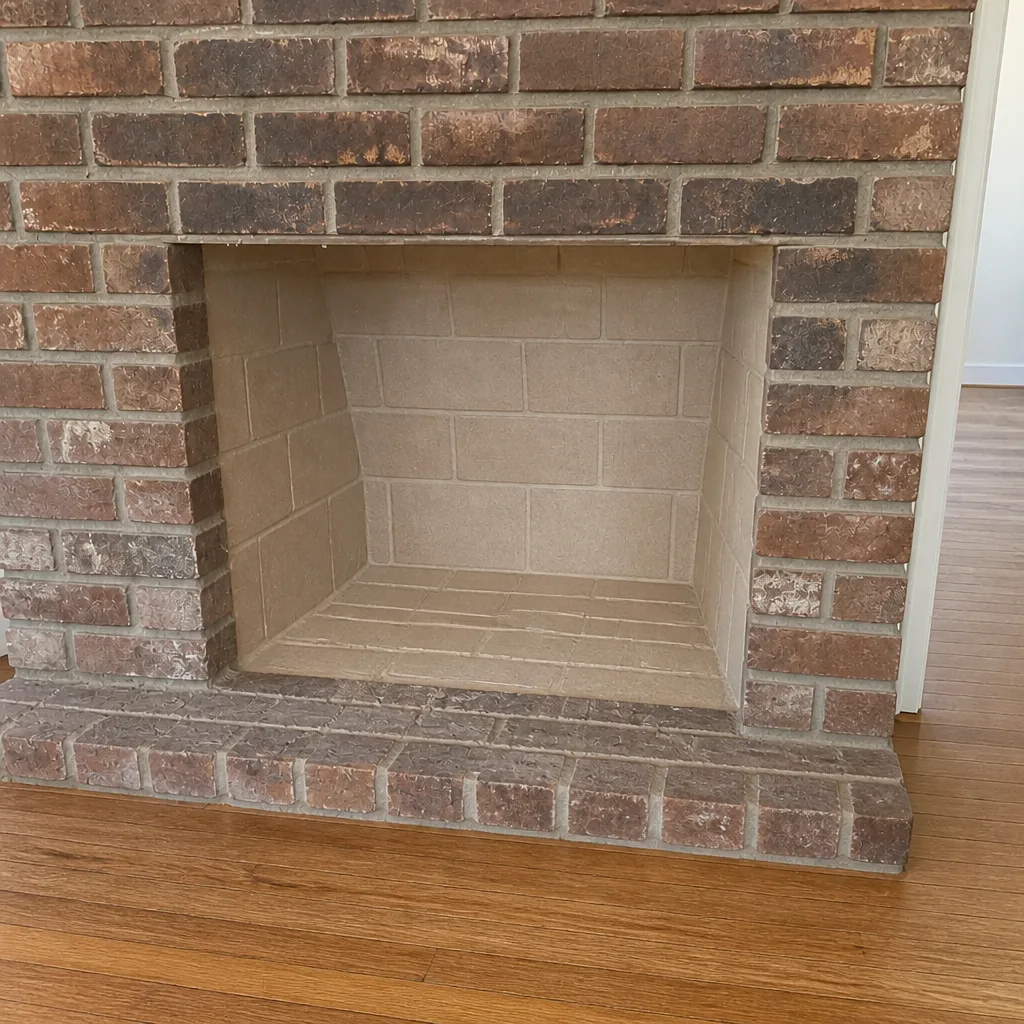
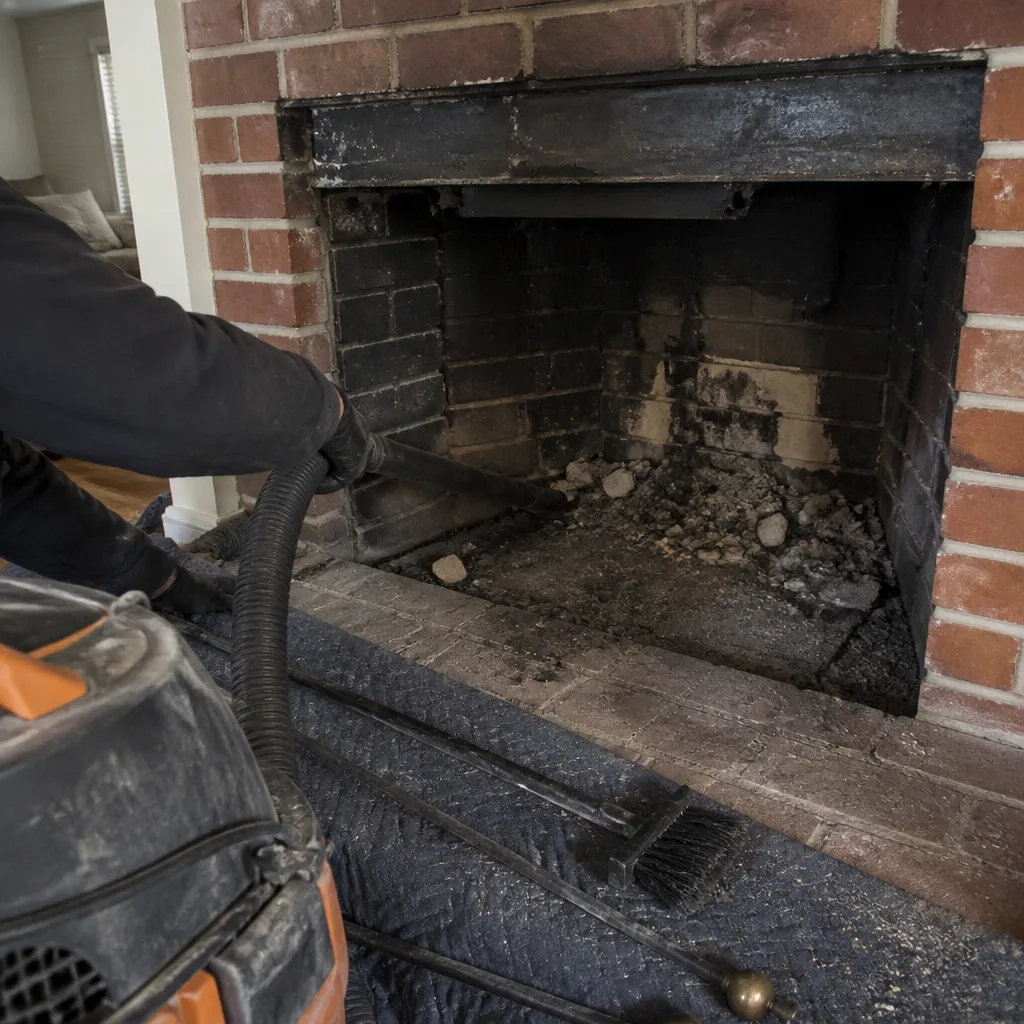
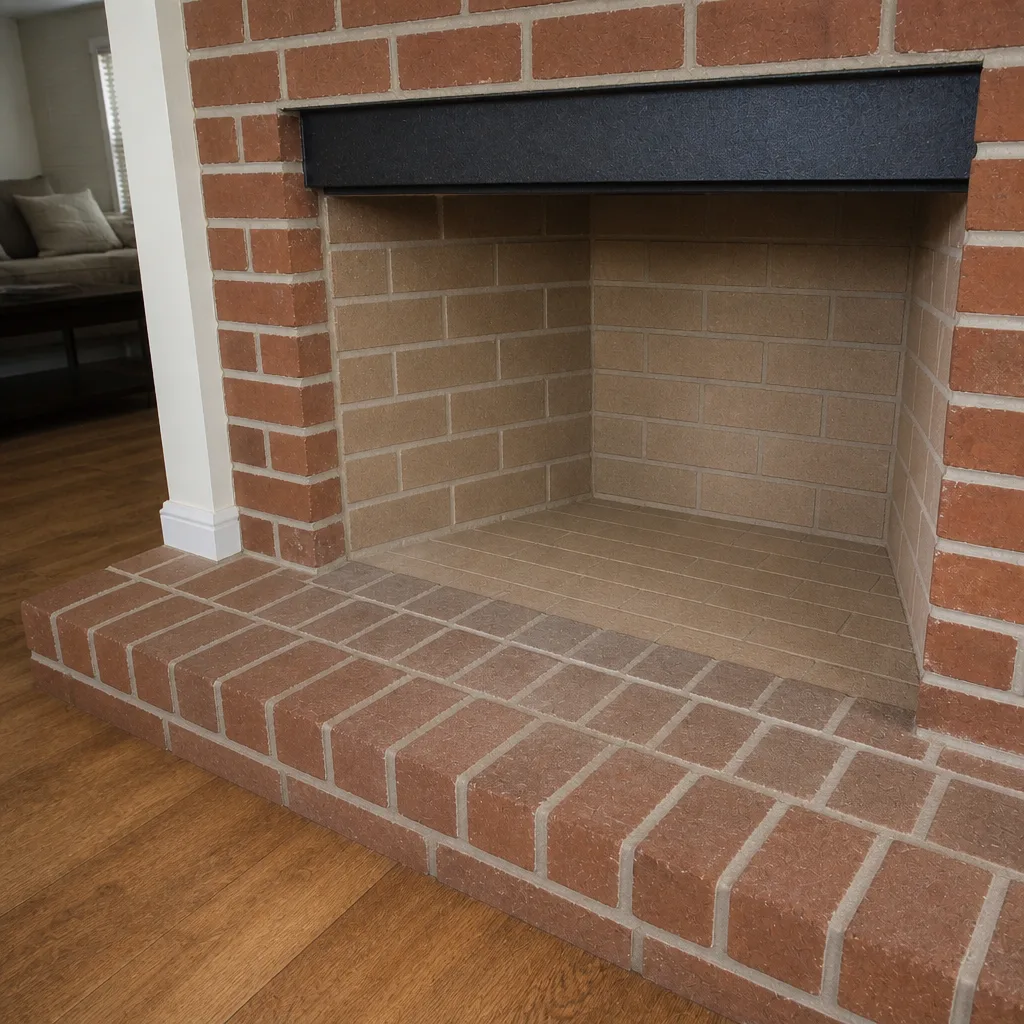
See the difference
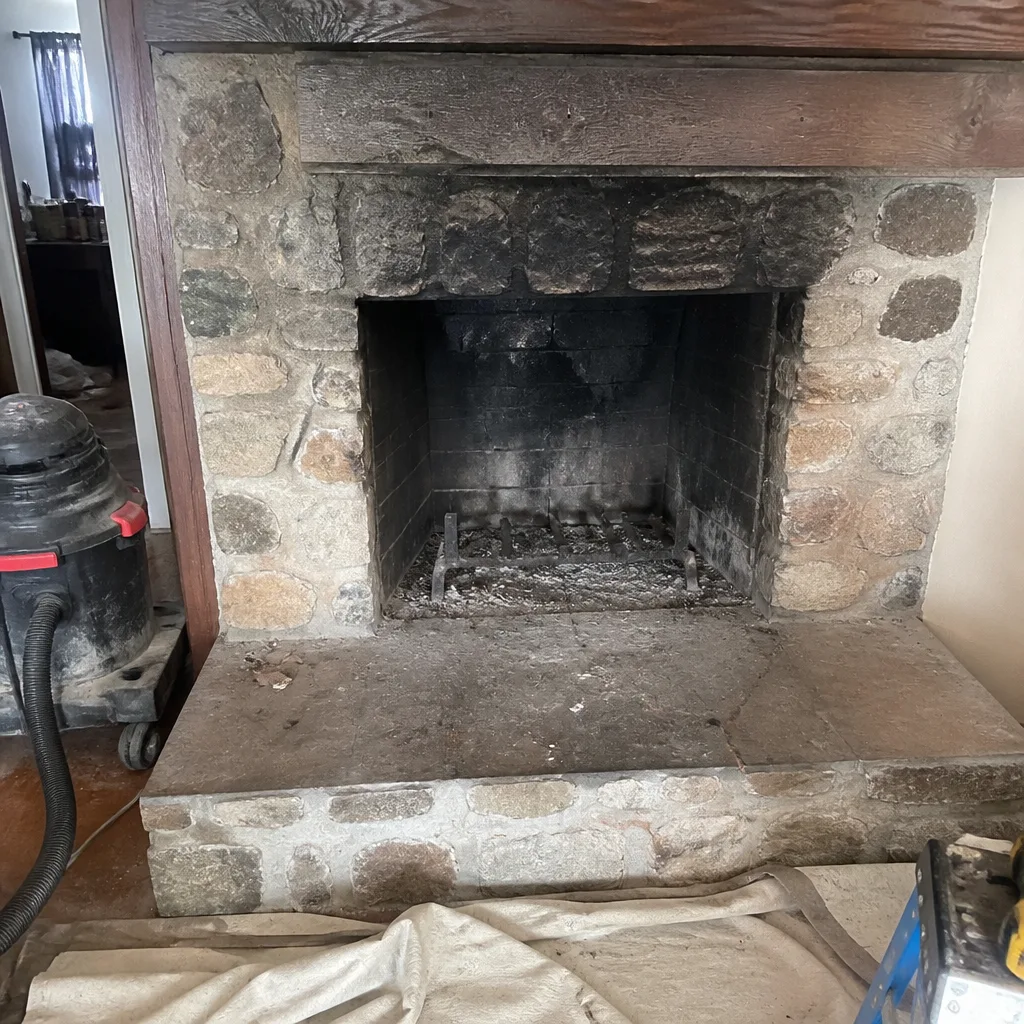 Before
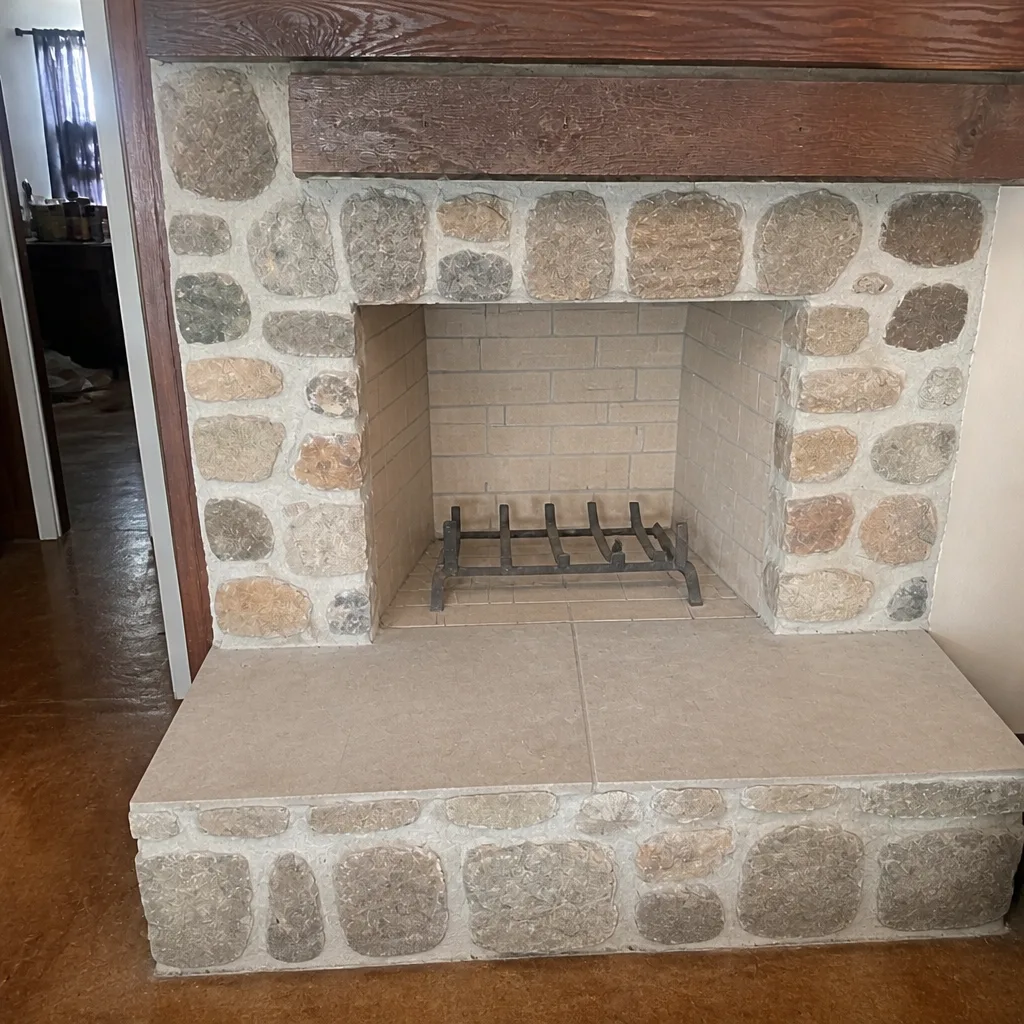 After
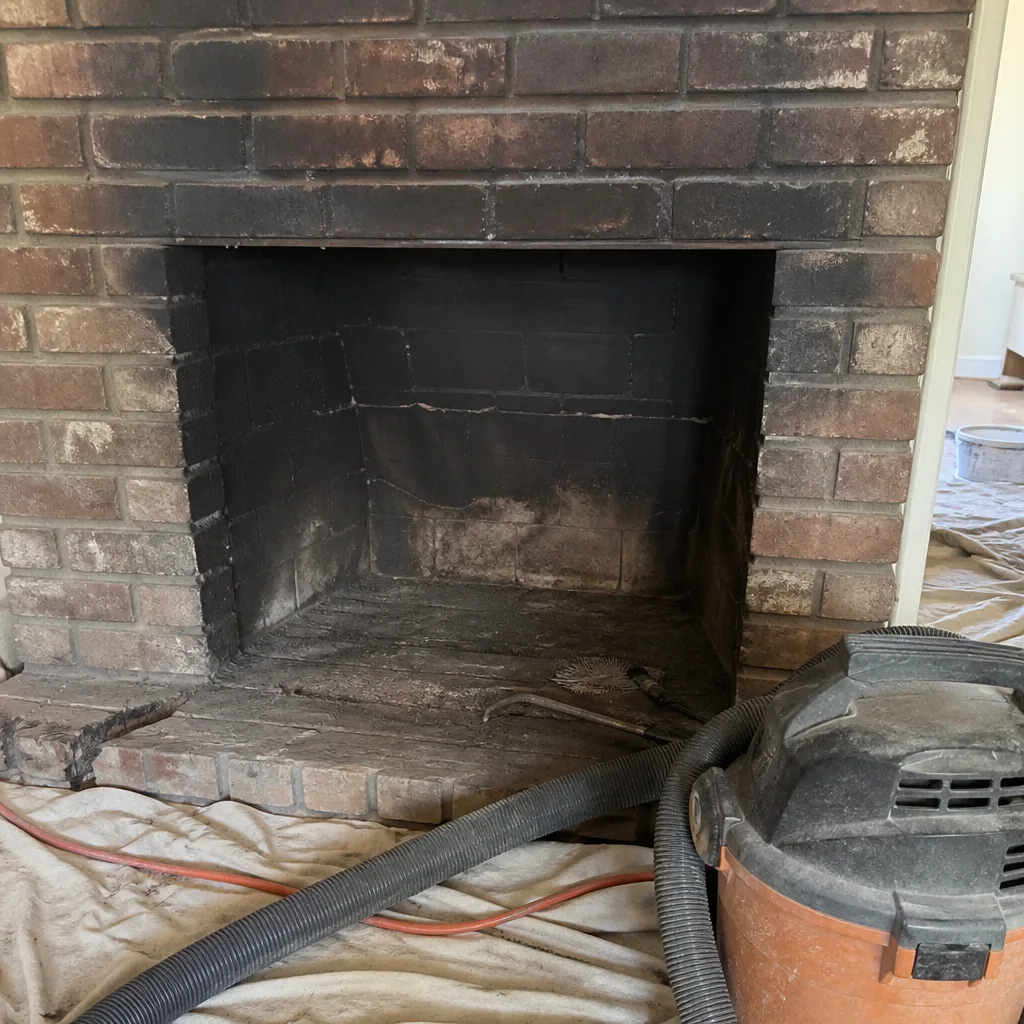 Before
 After
 Before
 After