
Last updated November 4, 2026
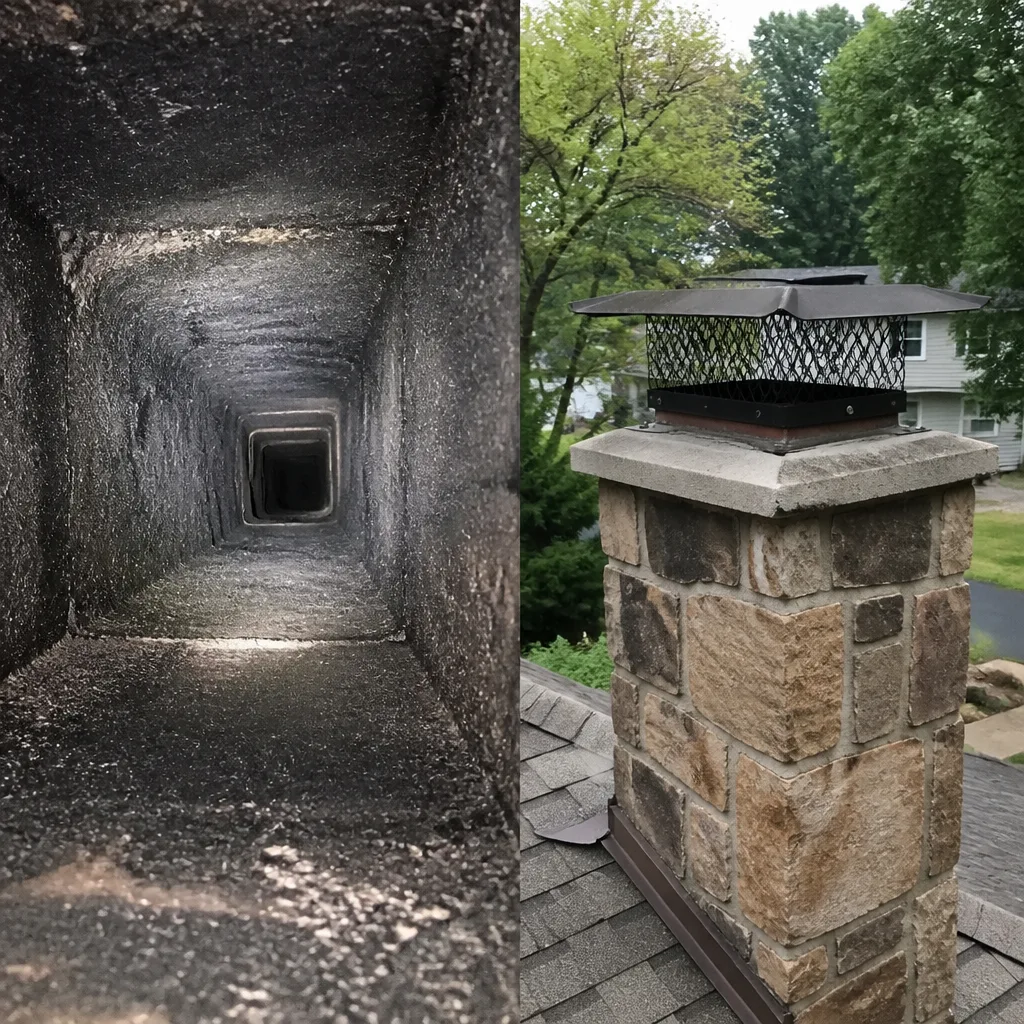 Sweep & inspection
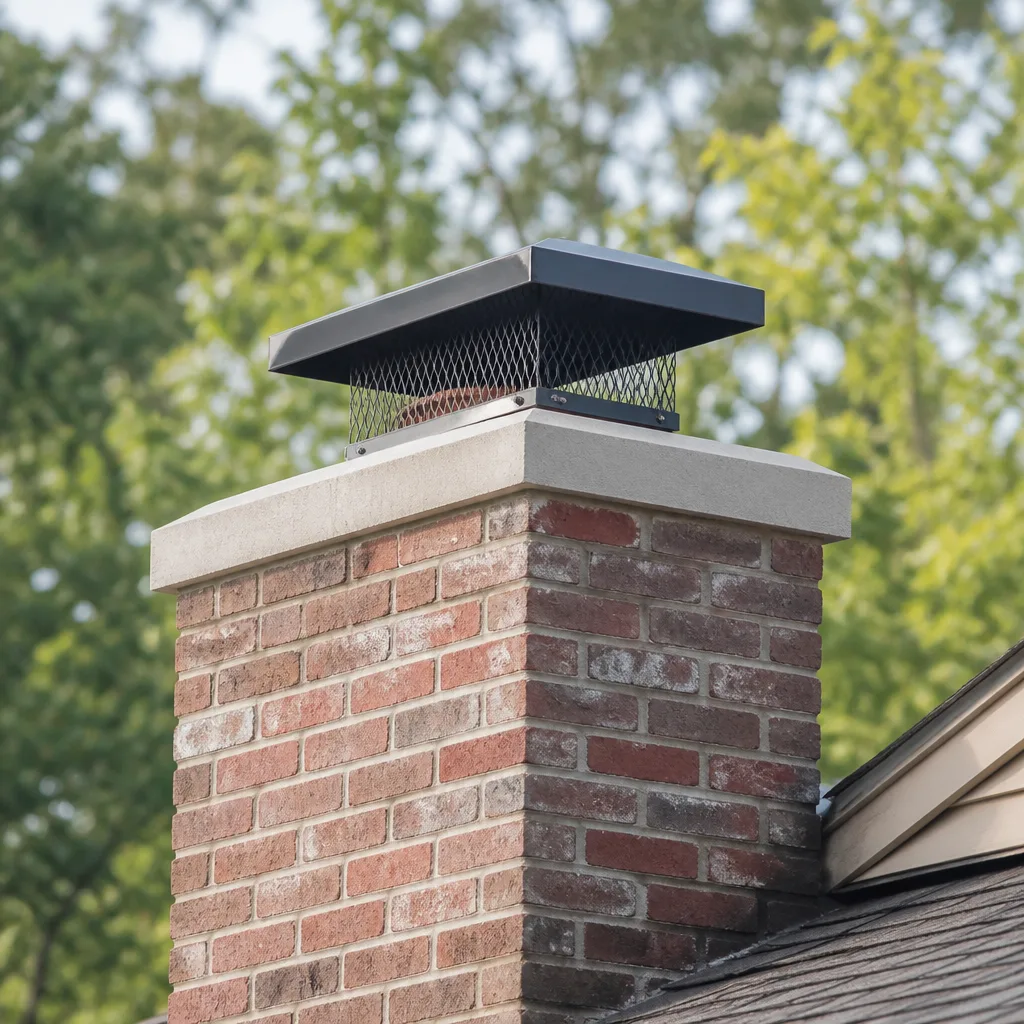 Caps & crowns
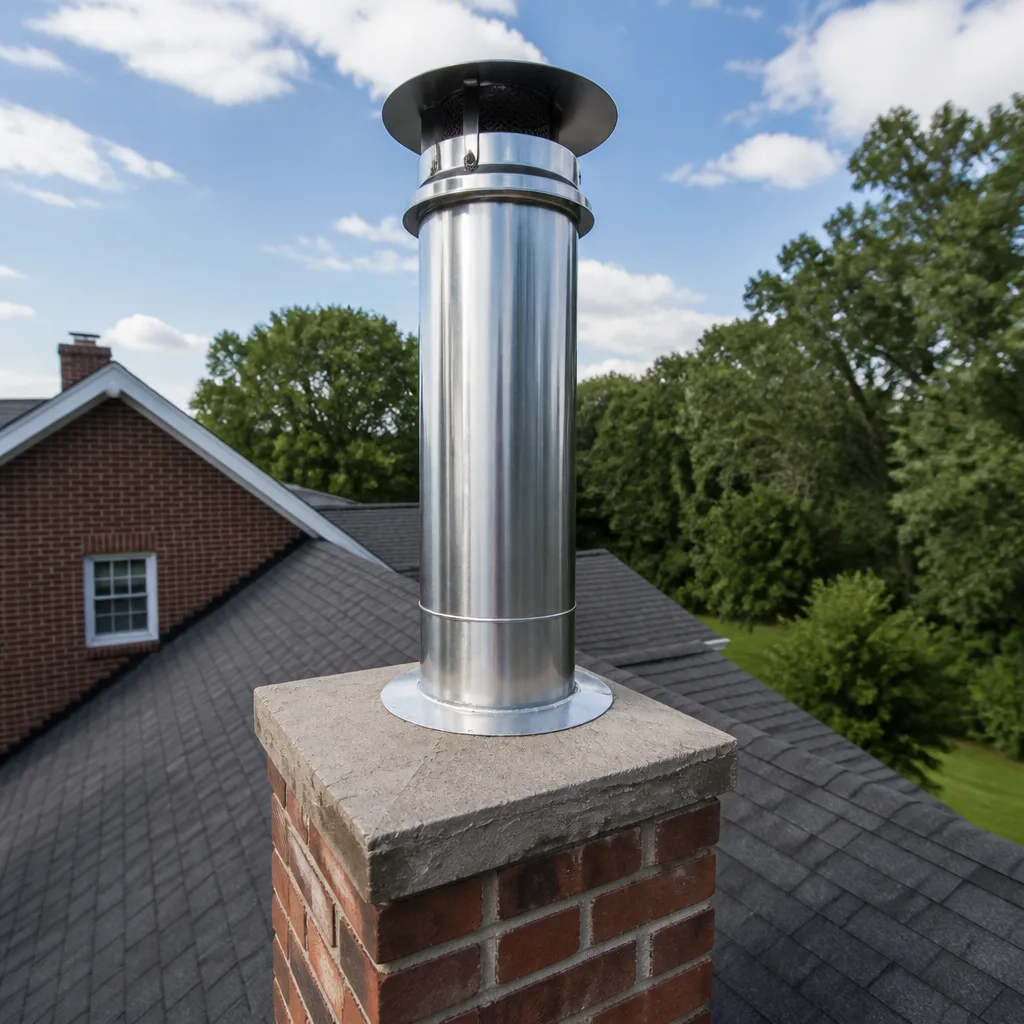 Flue relining
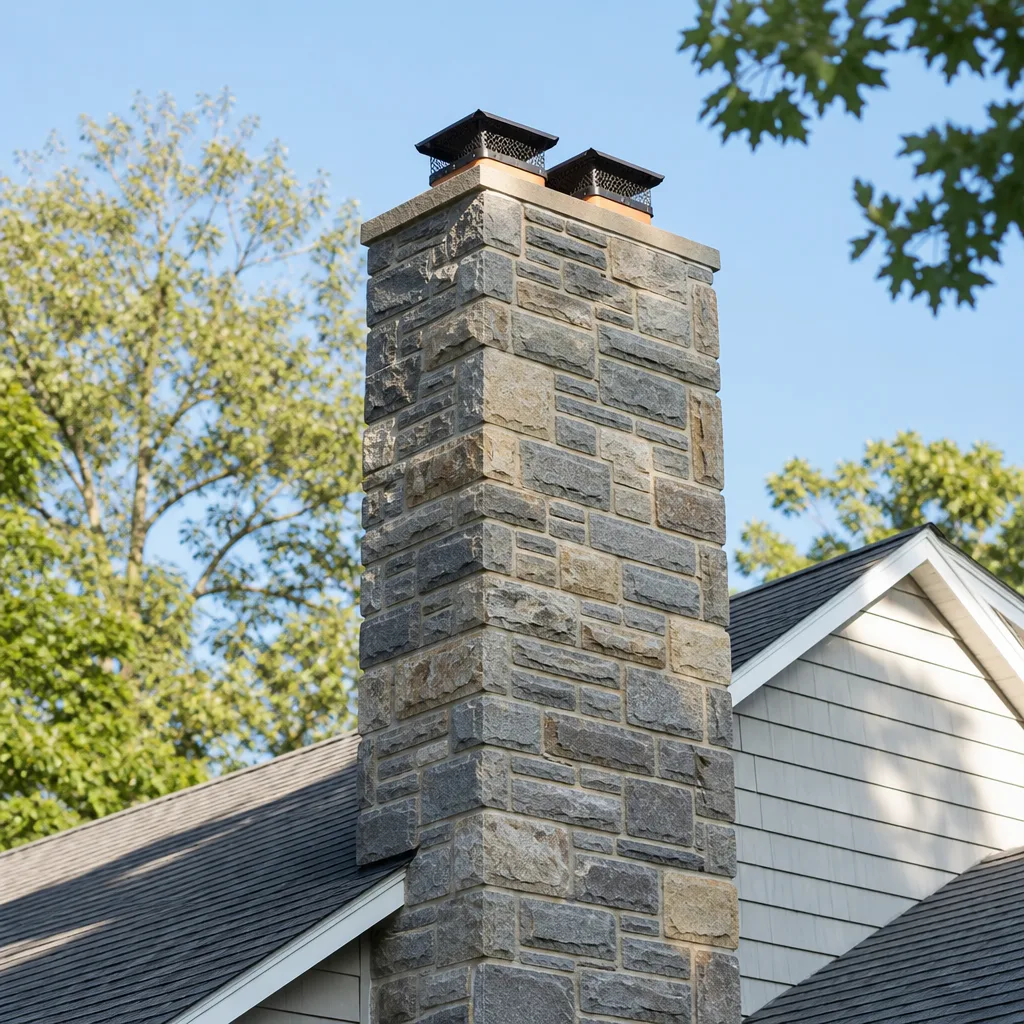 Masonry repair
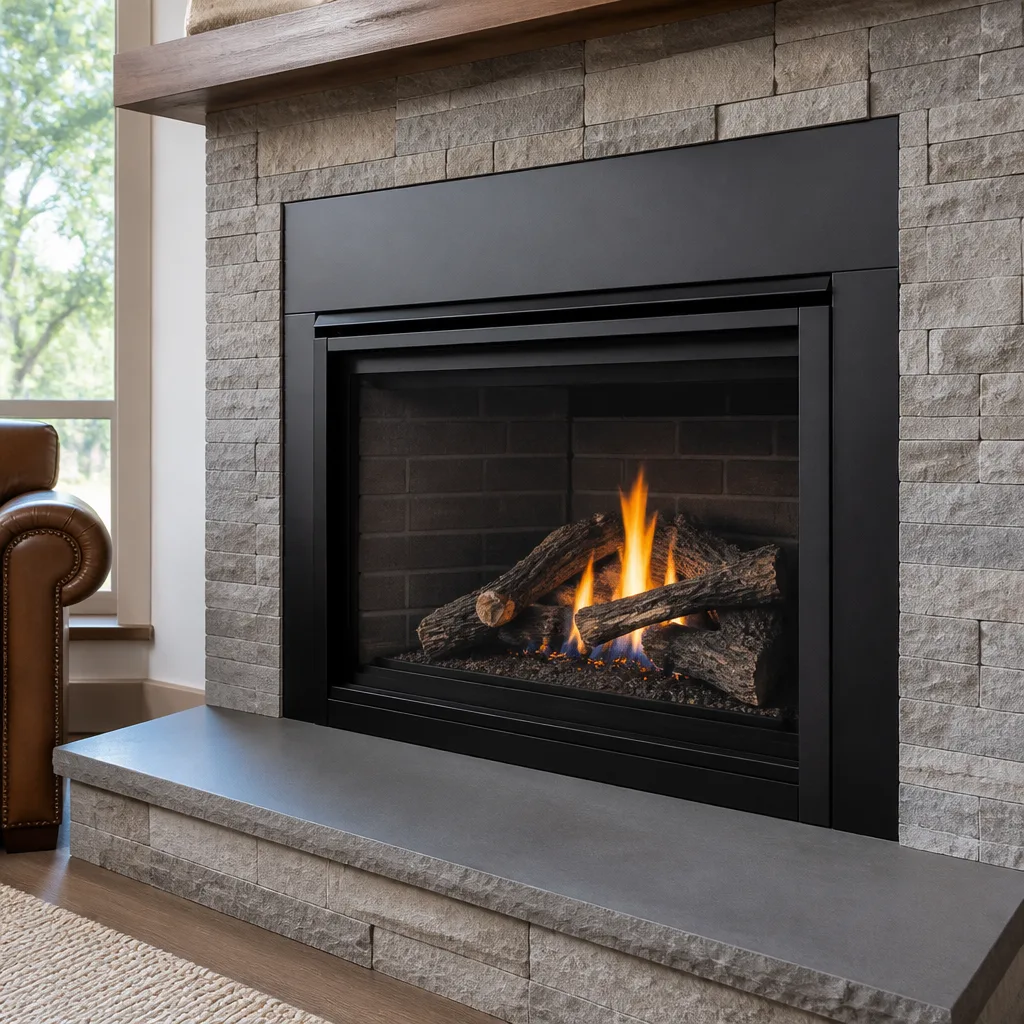 Gas fireplace service
Level 1 sweep and inspection to the NFPA 211 annual standard - flue, crown, cap, and flashing checked and photographed
Chimney sweep logs do not sweep chimneys. They loosen some creosote - which then falls where a brush and vacuum still have to collect it.
Seasonal Chimney Cleaning Care for San Leandro: Year-Round Homeowner’s Guide
In San Leandro, the fire season and the fireplace season overlap. That means the worst time to discover your flue needs cleaning is exactly when you’re most likely to want to use it. Most national chimney care guides are written for places with hard winters and humid summers, but that calendar misses how homes here actually live. The marine layer that rolls through spring and fall, the wildfire smoke that settles into the East Bay in late summer, and a burn season that compresses into a few irregular months all change when and why a chimney needs attention. This guide maps chimney care to the actual Bay Area year, so you know what to check, when to check it, and what can safely wait.
Quick Answer
In San Leandro, the highest-risk window for an uncleaned flue is late September through early November, when the first cold evenings arrive and wildfire smoke from the late-season fires has already added contamination to chimneys that sat unused all summer. A chimney sweep in San Leandro should happen once a year, ideally in early fall before the burn season starts, and again anytime you see visible soot deposits, smell smoke indoors, or after a wildfire smoke event. Dryer vent cleaning follows a similar seasonal logic, with heavier lint accumulation in fall and winter when households run more loads.
Styles & brands we work with
- Sweep & inspection
- Caps & crowns
- Flue relining
- Masonry repair
- Gas fireplace service
Table of Contents
- Why San Leandro’s Climate Changes the Chimney Care Calendar
- The Fall Window: Why Late September Is the Real Deadline
- Wildfire Smoke and Chimney Contamination
- Winter: A Short, Irregular Burn Season
- Spring: Moisture Assessment After the Rainy Season
- Summer: The Right Window for Structural Repairs and Liner Work
- Dryer Vent Seasonal Timing in San Leandro
- A Year-Round Chimney Care Schedule for San Leandro Homes
- Common Mistakes to Avoid
- When to Call a Professional
Why San Leandro’s Climate Changes the Chimney Care Calendar
San Leandro sits in a Mediterranean climate zone, but it’s one with a specific personality. Rainfall concentrates almost entirely between November and April, with the heaviest months typically being December through February. Summers are dry, warm, and often windy. Spring and fall bring the marine layer, that low gray blanket of coastal fog and cool air that can hang over the East Bay for days. None of this freezes, none of it snows, and none of it stays reliably cold for long. What it does instead is cycle between damp and dry in a way that gradually stresses mortar, brick, and metal components.
That cycling matters for chimneys. Moisture from winter rain and spring fog gets absorbed into porous masonry and creosote deposits. Then dry summer heat bakes it out. That expansion and contraction, repeated over years, is what causes crowns to crack, flashing to pull away, and brick faces to spall. A homeowner who waits for a hard freeze to worry about chimney damage will wait forever, because freeze-thaw cycles are not a San Leandro problem. But a homeowner who understands damp-winter to dry-summer cycling will see why spring inspections catch moisture damage early and why summer is the season to fix it.
We’ve swept and inspected a lot of flues in San Leandro homes, and the pattern is consistent: the chimneys that get attention every year show minor, manageable wear. The ones that get ignored for five years show the compounding effects of moisture, creosote acidity, and small structural shifts that went unaddressed. The climate here is forgiving in some ways, but it doesn’t forgive neglect.
The Fall Window: Why Late September Is the Real Deadline
Homeowners in colder parts of the country think of January as the month when chimney problems show up. In San Leandro, the dangerous month is September, and the danger comes from timing, not temperature. Here’s the sequence. A chimney sits unused from roughly April through early October. During those months, whatever creosote remains from the previous burn season sits in the flue, absorbing moisture from spring rain and coastal fog. Creosote is acidic. Damp creosote becomes more corrosive to mortar joints and metal liners. Then, in late summer, wildfire smoke from fires in Northern California drifts into the East Bay. That smoke carries fine particulate and tar-like residue that adds a new layer of contamination to flues, even in homes where the fireplace was never used.
Then the first cool evening arrives, often in late September or early October. The homeowner builds a fire. The flue now contains a season’s worth of accumulated residue, some of it damp and dense, some of it freshly deposited from wildfire smoke. This is the moment a chimney fire can start, or the moment smoke backs up into the house because the flue is partially obstructed. It’s not a January problem. It’s a September problem that waits until the first fire to announce itself.
The practical takeaway is simple: book a chimney sweep in late August or early September, before the first fire, not after. That timing also means you’re scheduling in a quieter period, before the rush of fall service calls fills up the calendar. If you wait until the first cold snap, you’ll be calling alongside every other homeowner in Alameda County who just discovered their flue isn’t ready.
Wildfire Smoke and Chimney Contamination
One of the least understood chimney risks in San Leandro is wildfire smoke exposure. When smoke from distant fires settles over the East Bay, it doesn’t just affect outdoor air quality. It enters chimneys through the cap and opening, and it deposits fine particulate and tar-like compounds on the flue walls. This happens whether or not you use your fireplace. The residue sits as a thin film, but it’s sticky, and it gives any existing creosote a fresh surface to build on when you do light a fire.
In our experience, flues in San Leandro homes that went through a heavy smoke season often show darker, stickier deposits than would be expected from the amount of fireplace use alone. A homeowner might think, “I only burned a dozen fires last winter, so I don’t need a sweep.” But the flue tells a different story. Wildfire smoke contamination can mimic the buildup of years of regular use, and it should be removed before the next burn season.
Here’s what to look for, in order of severity:
- Visible dark staining on the exterior brick or stone around the chimney opening after a smoke event.
- A lingering smoke odor inside the house, even when no fire has been lit for months.
- Fine black dust or flakes falling into the firebox when the damper is opened or when wind blows across the cap.
- Difficulty getting a fire to draw properly on the first lighting of the season, which can indicate a narrowed flue from residue buildup.
If you notice any of these, a professional cleaning is the right call. A sweep removes the contamination before it becomes a fire risk. If you’re in the San Leandro area and you’ve noticed smoke odors or visible buildup after a wildfire season, this is a situation where a Chimney Cleaning San Leandro inspection will tell you quickly whether the flue needs attention or whether it can wait.
Winter: A Short, Irregular Burn Season
San Leandro winters are mild enough that the burn season doesn’t follow a predictable rhythm. Some years, you’ll have fires every weekend from November through February. Other years, you’ll light the fireplace four times all winter and then wonder if you even need a cleaning. The problem with an irregular burn season is that it creates irregular creosote accumulation, and homeowners lose track of how much buildup they’ve actually created.
Creosote forms from incomplete combustion, which happens more often in low, slow-burning fires. In a place where people light fires on cool evenings rather than as a heating necessity, the tendency is toward smaller fires with less air, which is exactly the condition that produces the stickiest, most dangerous creosote. You can burn fewer fires than a homeowner in Minnesota and still create a significant creosote load, because the fires you do burn are the type that leave more residue.
The winter checklist for San Leandro homeowners:
- Burn only dry, seasoned wood. Wood that hasn’t dried properly creates more smoke and more creosote per fire.
- Open the damper fully before lighting, and keep it open until the fire is completely out, not just down to embers.
- Never burn wrapping paper, cardboard, or treated lumber. They produce heavy, sticky smoke and can send burning debris up the flue.
- Check the chimney cap visually after any windy storm. A dislodged cap lets rain and debris in, and it lets sparks out.
- If you smell smoke in the house when the fire is going, stop burning immediately and call for an inspection.
A mid-winter check of these basics keeps the burn season safe and tells you whether the flue is performing as it should. If anything seems off, don’t push through the rest of the season hoping it resolves. Smoke in the house is not a draft issue you adjust to; it’s a flue problem you fix.
Spring: Moisture Assessment After the Rainy Season
By March, San Leandro has received the bulk of its annual rainfall. That’s when moisture damage shows itself if it’s going to. The sequence is predictable: winter rain soaks into any cracked crown, any deteriorating mortar joint, any gap where flashing has pulled away from the roofline. Spring brings warmer days and the marine layer’s cool, damp air, which slows drying and gives the absorbed moisture time to work deeper into the masonry.
Spring is the right season for a moisture-focused assessment. You’re not looking for creosote buildup at this point, since the burn season is wrapping up. You’re looking for the structural effects of water. The specific things to examine or have examined:
- The chimney crown: the concrete or mortar surface at the top of the chimney that sheds water. Cracks here are the most common entry point for moisture in San Leandro chimneys.
- The flashing where the chimney meets the roof. Alameda County’s winter storms can pull this loose, and once it’s gapped, water runs straight down the chimney chase.
- The firebox interior for damp spots, efflorescence (white, chalky mineral stains), or a musty smell that indicates water has been sitting inside.
- The exterior brick or stone for areas that look darker than the surrounding surface, which indicates absorbed moisture.
- The damper for rust, which means water has been dripping down the flue.
These are all conditions that a trained eye can identify quickly. If you schedule a spring inspection, a tech can flag moisture issues before they become summer repair projects. That’s the time to note what needs fixing and plan for it, while the weather is mild and the repair calendar is open.
Summer: The Right Window for Structural Repairs and Liner Work
Summer in San Leandro is dry, which makes it the best season for structural work on chimneys. Mortar cures better in dry conditions. Sealants bond more reliably. And the repair calendar hasn’t yet filled with the fall rush of homeowners who suddenly realized their flue needs attention. If spring finds moisture damage or a deteriorating liner, summer is when you want the work done.
Liner work is the big one. A cracked or deteriorating flue liner is a genuine safety issue, because it exposes combustible materials inside the chimney chase to heat and gases. There are two main paths. A full relining replaces the existing liner with a new stainless steel system, using materials like Olympia Chimney products. A resurfacing instead applies a ceramic coating like HeatShield to the interior of the existing liner, sealing cracks and restoring a smooth, insulated surface without a full tear-out. Both have their place, and the right choice depends on the condition of the existing liner and the chimney’s construction.
We repair what we find. That’s the principle that guides our approach, and it’s why a summer inspection is useful even if you haven’t noticed a problem. The tech evaluates what’s there, shows you what needs attention, and then does the work on the same visit when it’s practical. From the liner to the cap, the system gets assessed as one thing, not as separate parts that require separate contractors. If the crown needs replacement, that’s a Gelco or Copperfield cap or crown product in most cases. If the flue needs a new liner, it’s DuraFlex or Olympia Chimney. Professional-grade materials, every job.
Dryer Vent Seasonal Timing in San Leandro
Dryer vents are a fire hazard, not a minor chore, and their cleaning schedule follows the same San Leandro seasonality as the fireplace. In fall and winter, households run more laundry loads. Clothes are heavier, there are more layers, and people spend more time indoors with laundry cycling frequently. More loads mean more lint, and more lint means faster blockages. What was a partially restricted vent in September can become a fully obstructed one by February, simply because of usage patterns.
The factors that make San Leandro dryer vents particularly prone to faster accumulation:
- Long vent runs are common in older San Leandro homes, where the laundry room is often in a garage or interior space far from an exterior wall. Longer runs trap more lint.
- Flexible foil or plastic vent hose, still present in many homes built decades ago, catches lint on its ribbed interior far more readily than smooth metal ducting.
- Bathroom and kitchen venting that is tied into the same exhaust path as the dryer adds grease and moisture to the same line, which makes lint stickier.
- Wildfire smoke residue from the same late-summer events that contaminate chimneys can also settle in dryer vent exhaust hoods, especially if the hood lacks a proper damper.
We treat dryer vent cleaning as a dedicated service, not an afterthought, because a blocked dryer vent is one of the most common and most preventable house fire hazards. The simplest sign that a vent needs attention is drying time. If a load that used to dry in 40 minutes now takes 70, the vent is restricted. Other signs include a hot dryer exterior, a burning smell while the dryer runs, or a vent hood flap that doesn’t open when the dryer is on. Clean it annually, and time the cleaning for late summer or early fall, before the heavy laundry season begins.
A Year-Round Chimney Care Schedule for San Leandro Homes
Here is the full year, mapped to what actually happens in San Leandro, with specific tasks for each season.
Late Summer (August to September)
- Schedule the annual chimney sweep before the burn season. This clears the previous season’s creosote and any wildfire smoke residue that has accumulated over the summer.
- Clean the dryer vent at the same time or schedule it separately, so the fall laundry season starts with a clear exhaust path.
- Visually check the chimney cap and spark arrestor for damage. This is the most exposed component and the first thing to fail after a windy summer.
Fall (October to November)
- Build the first fires of the season and pay attention to how the chimney draws. A clean flue should draw strongly with minimal smoke spillage.
- Check the damper operation. It should open fully and seal tightly when closed.
- Burn only dry, seasoned wood. If you’re unsure whether your wood is dry, it’s not. Paper burns clean; wood should crackle, not hiss.
Winter (December to February)
- After heavy rains, check the firebox for moisture, especially after the first significant storm of the season.
- Keep an eye on drying times for laundry. A vent that worked fine in October might be restricted by January.
- If you see soot buildup on the firebox walls or damper, note it as a sign the flue is loading with creosote and plan for a mid-season sweep if needed.
Spring (March to April)
- Schedule a moisture assessment. The rainy season is ending, and any water damage will be visible.
- Have the crown, flashing, and exterior masonry inspected for cracks, gaps, or spalling brick.
- Clean the dryer vent again if winter was heavy, especially if you noticed longer drying times.
Summer (May to August)
- Do structural repairs now. Liner replacement or resurfacing, crown repair, cap replacement, and flashing work all go better in dry weather.
- Schedule the annual sweep for late summer if it wasn’t done the previous fall.
- Inspect the dryer vent path for bird or rodent activity, which increases in the dry season.
Common Mistakes to Avoid
- Waiting until the first cold snap to book a sweep. That’s when every chimney in San Leandro gets scheduled, and the late-September rush means longer wait times for exactly the moment you want to start burning. Book in August.
- Assuming a mild winter means no creosote. San Leandro’s burn season is short, but small, low-air fires produce disproportionate creosote. A dozen casual fires can load a flue significantly.
- Ignoring wildfire smoke as a chimney issue. Smoke-contaminated flues are common in the East Bay, even in homes that didn’t burn a single fire. If the air was smoky, your chimney needs looking at.
- Using the fireplace as a garbage burner. Wrapping paper, cardboard, and junk mail burn hot and fast, but they send burning embers up the flue and deposit heavy, sticky residue that speeds creosote buildup.
- Skipping the dryer vent because it’s “just a dryer.” Lint fires are one of the most common household fires in California, and San Leandro’s older homes often have exactly the long, ribbed, restricted vent runs that make them worse.
- Putting off liner repairs because the fireplace “still works.” A cracked liner doesn’t stop the fireplace from lighting. It stops the house from being safe while it burns. We’ve seen liners that were dangerous for years before anyone looked.
- Treating the chimney cap as cosmetic. In San Leandro’s damp winters, a missing or damaged cap lets water straight into the flue and firebox. That water is what turns minor masonry issues into structural ones.
When to Call a Professional
Some chimney situations are obvious enough that a homeowner can identify them. Smoke spilling into the room. A persistent damp smell from the firebox. Visible cracks in the crown. A dryer that takes twice as long as it should. These all mean it’s time to bring in someone who does this work every day. Other issues are invisible until a tech puts eyes on the flue, and that’s why the annual inspection matters. A flue can look fine from the firebox and be dangerous twenty feet up, where the liner is cracked or the mortar has opened up.
Chimney Cleaning San Leandro offers free estimates in San Leandro, and a call to (833) 736-8208 is the fastest way to find out whether what you’re seeing is routine or urgent. We answer 24/7. Fast dispatch from 7am to 7pm, Sunday through Friday. One visit gives you the full picture, and if something needs repair, the tech who finds it is the same one who can fix it.
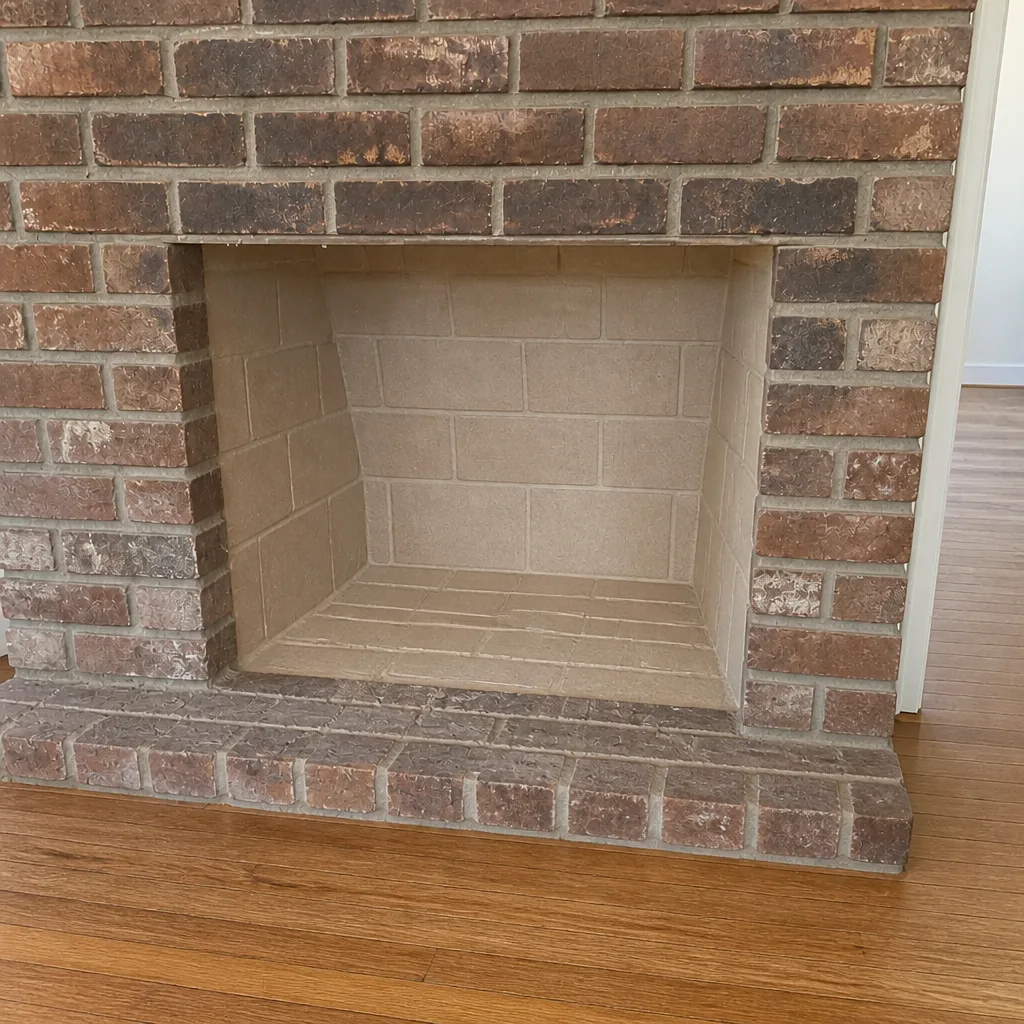
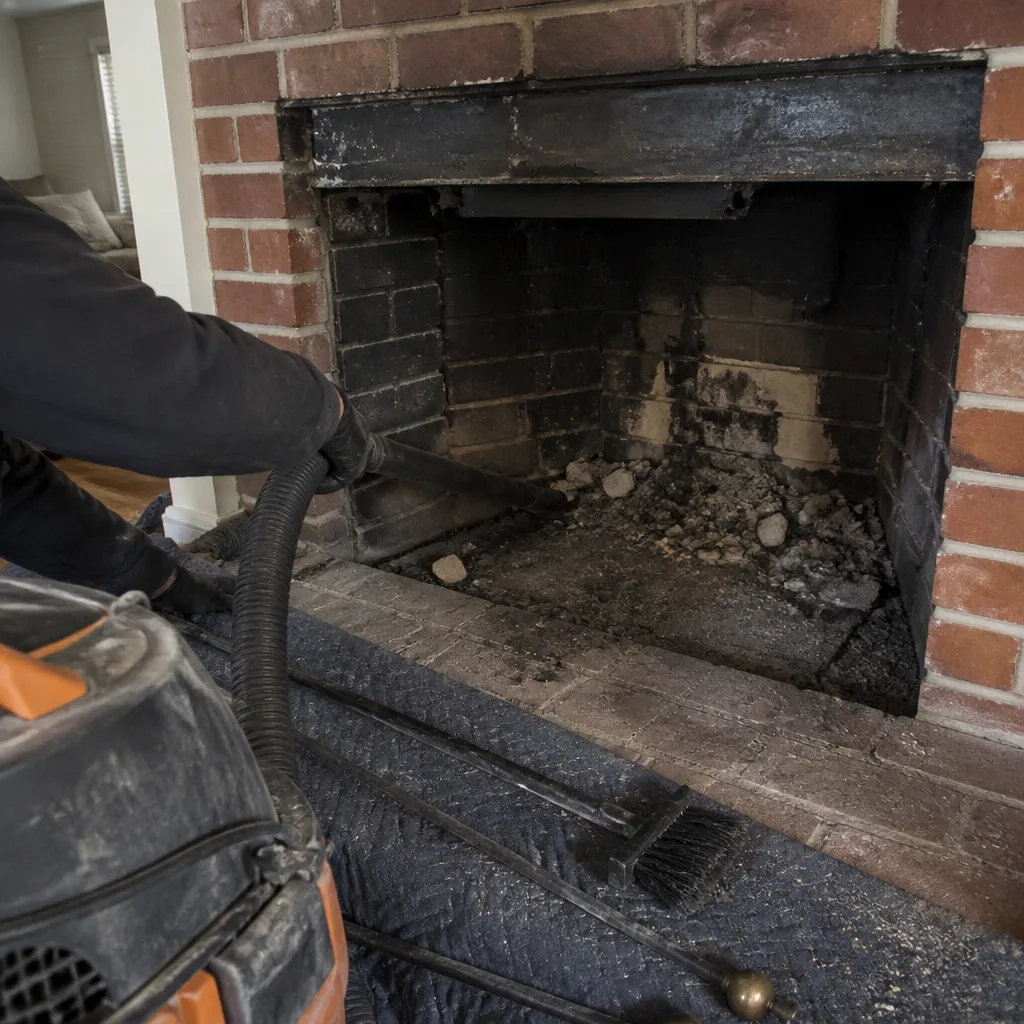
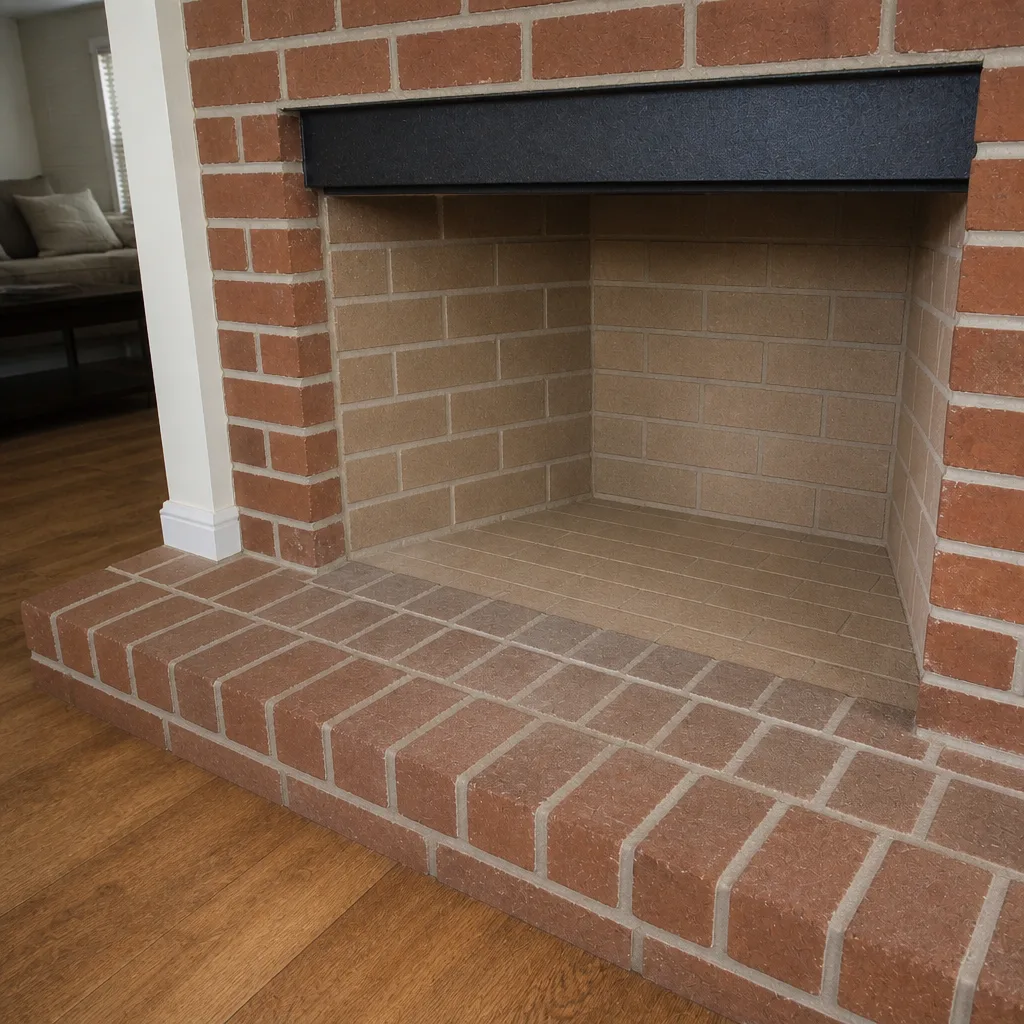
See the difference
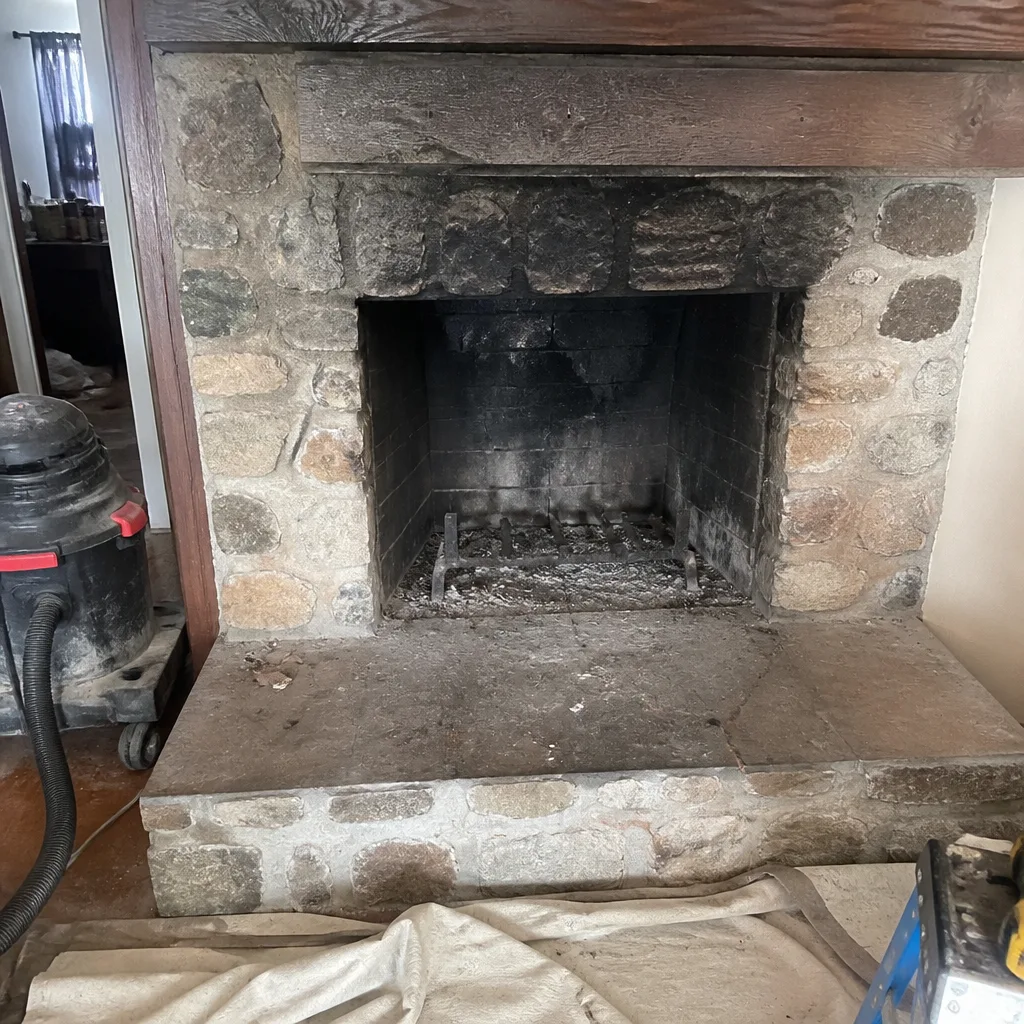 Before
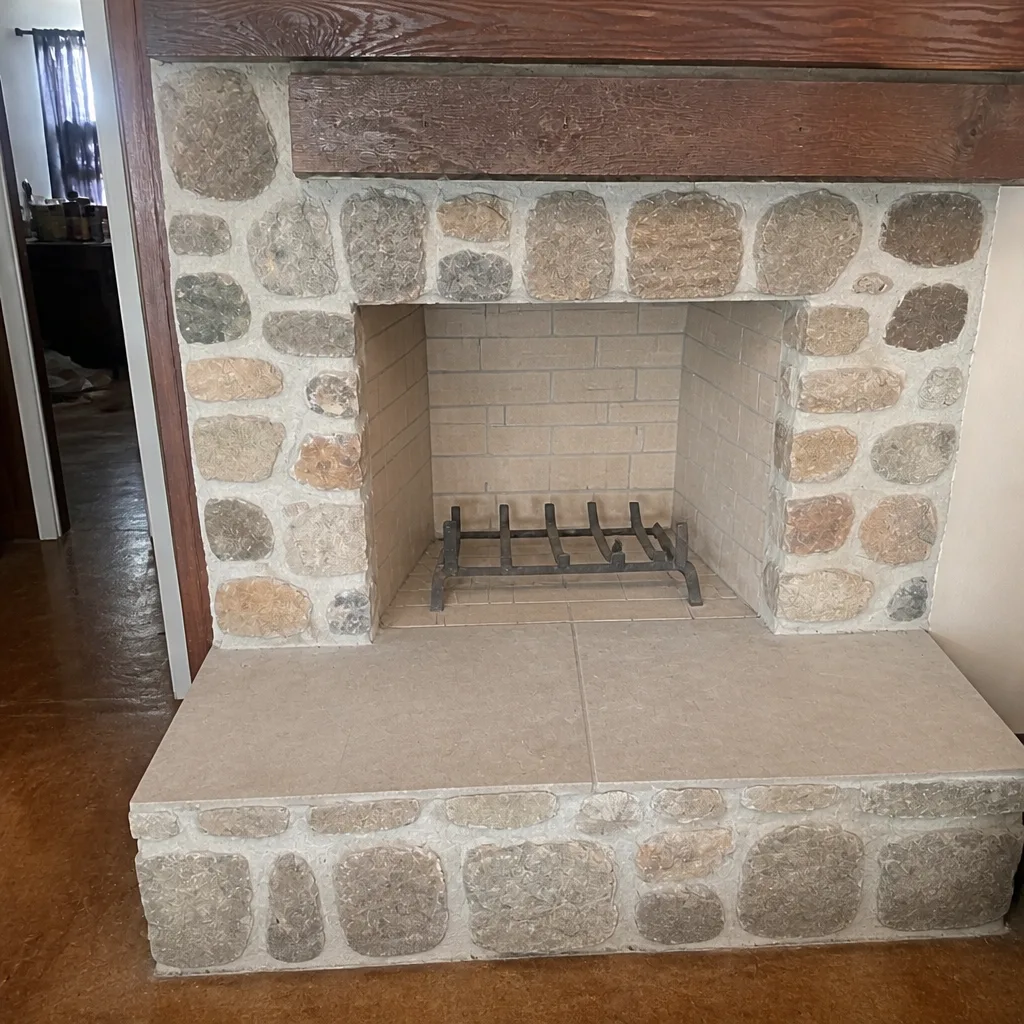 After
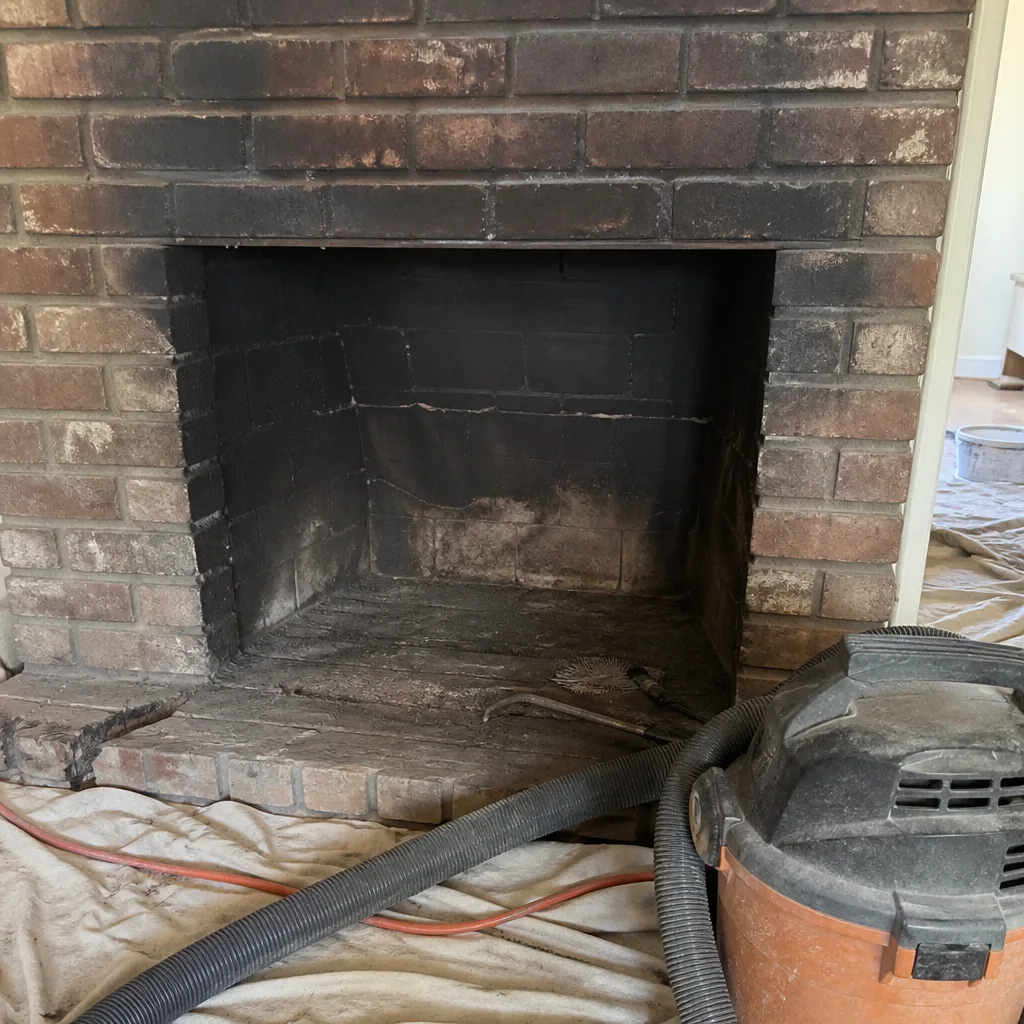 Before
 After
 Before
 After
Frequently Asked Questions
Once a year is the right baseline for most San Leandro homes, with the sweep scheduled in late summer or early fall before the burn season begins. Homes that burn frequently through the winter, or that experience a heavy wildfire smoke season, may need a second cleaning. The written estimate from your sweep will set the final price, but a standard annual cleaning keeps most flues in safe condition. Call (833) 736-8208 to schedule yours.
Yes, wildfire smoke can contaminate a flue even if the fireplace was never lit, because the smoke enters through the chimney cap and opening and deposits sticky residue on the flue walls. That residue then gives any new creosote from the next burn season something to adhere to. If San Leandro had a heavy smoke summer, the flue should be checked before the first fire, regardless of how little it was used. We answer 24/7 for questions at (833) 736-8208.
It’s not the number of fires that determines whether a flue needs cleaning; it’s the type of burning, the moisture exposure, and any environmental contamination. A few low, slow fires can produce significant creosote, and a damp San Leandro winter can degrade existing deposits. The safest approach is an annual inspection, which tells you definitively whether a cleaning is needed or whether the flue can go another year.
Summer is the best season for structural chimney work in San Leandro, because the dry weather helps mortar and sealants cure properly and the repair calendar is less crowded than in fall. Liner work, crown replacement, cap installation, and flashing repair all benefit from being scheduled between May and August, before the burn season demand spike. Estimates are free; call (833) 736-8208 to plan summer work before the rush.
Longer drying times in fall and winter usually mean the dryer vent is restricted, because households run more loads during those months and lint accumulates faster in the vent run. San Leandro homes with long vent runs and older flexible ducting are particularly prone to this. A professional San Leandro dryer vent cleaning removes the obstruction and restores normal drying times, and it’s the single most effective prevention for dryer-related house fires.
The liner’s condition has to be assessed with a camera inspection, because the damage is usually not visible from the firebox. If the liner shows hairline cracking, a HeatShield resurfacing can seal and restore it without a full replacement. If the damage is more extensive, a full relining with Olympia Chimney or DuraFlex products is the safer path. The inspection gives you the answer, and the right call is based on what the camera shows, not on guesswork.
The Bottom Line
San Leandro’s climate doesn’t punish chimneys with ice and snow, but it does cycle moisture and drought in ways that demand a different care calendar. Sweep before the first fall fire, not after. Treat wildfire smoke as the contamination source it is. Assess moisture in spring, repair in summer, and keep the dryer vent on the same seasonal rhythm, because fall laundry means fall lint. The homes that stay safest are the ones that get looked at every year, not the ones that wait for a visible problem. A single scheduled visit covers the sweep, the inspection, and the repair conversation, because from the liner to the cap, one professional sees the whole system at once.
Call (833) 736-8208 for a free estimate. We answer 24/7. Fast dispatch from 7am to 7pm, Sunday through Friday.
Written by the team at Chimney Cleaning San Leandro, serving San Leandro since 2013.