
Last updated November 4, 2026
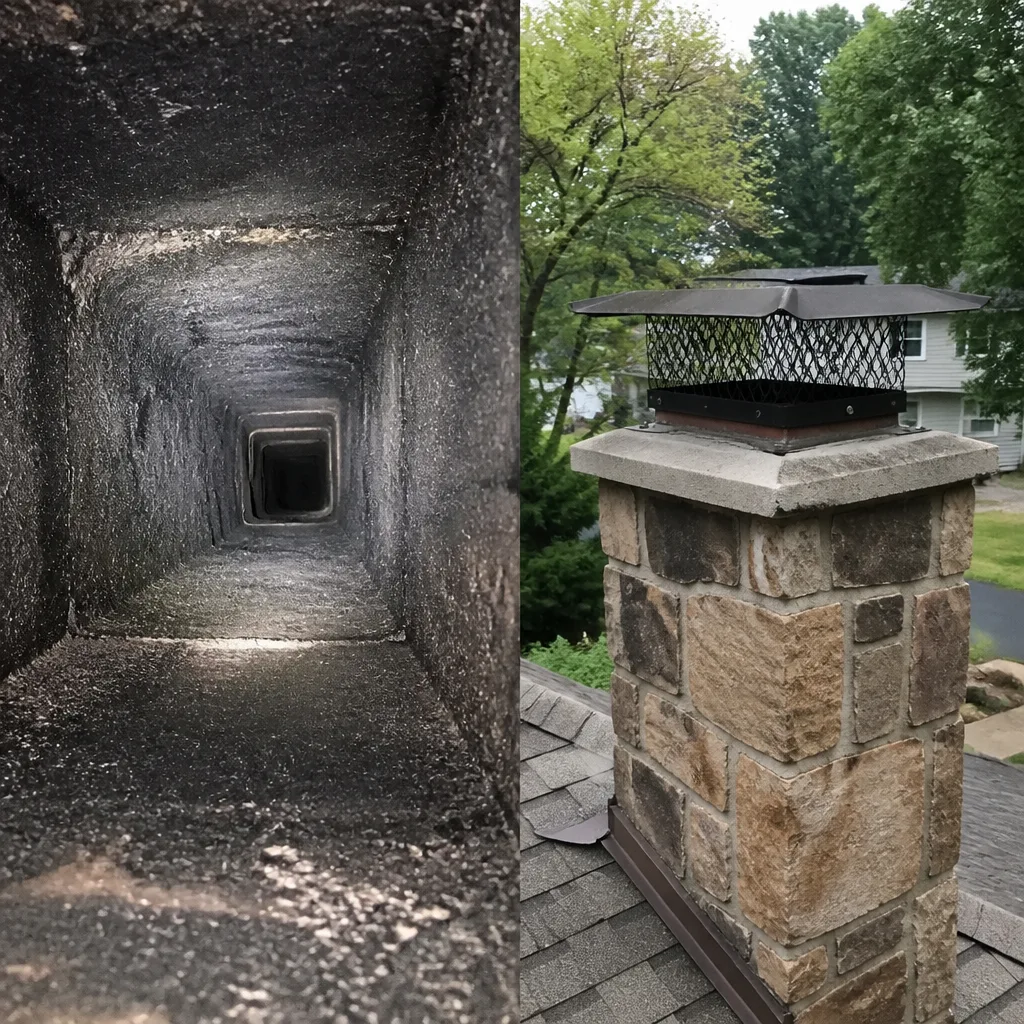 Sweep & inspection
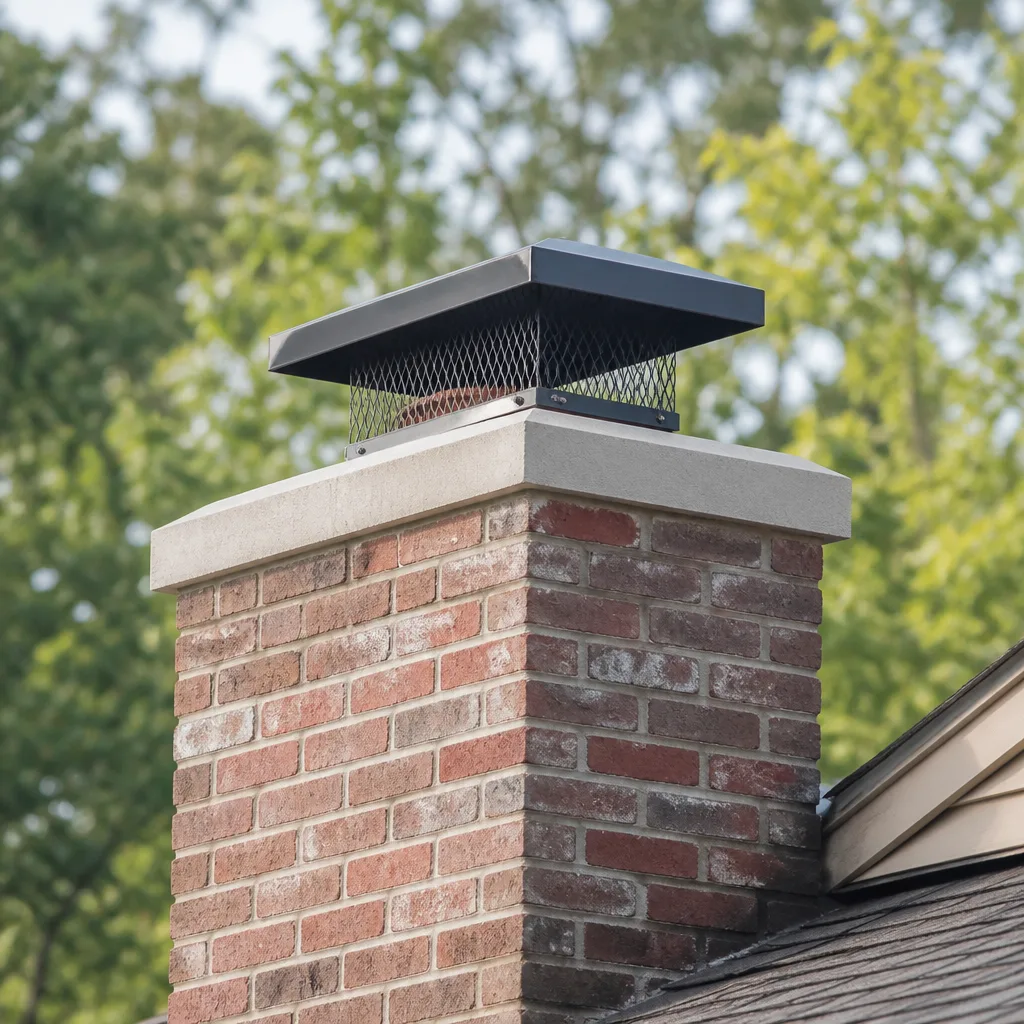 Caps & crowns
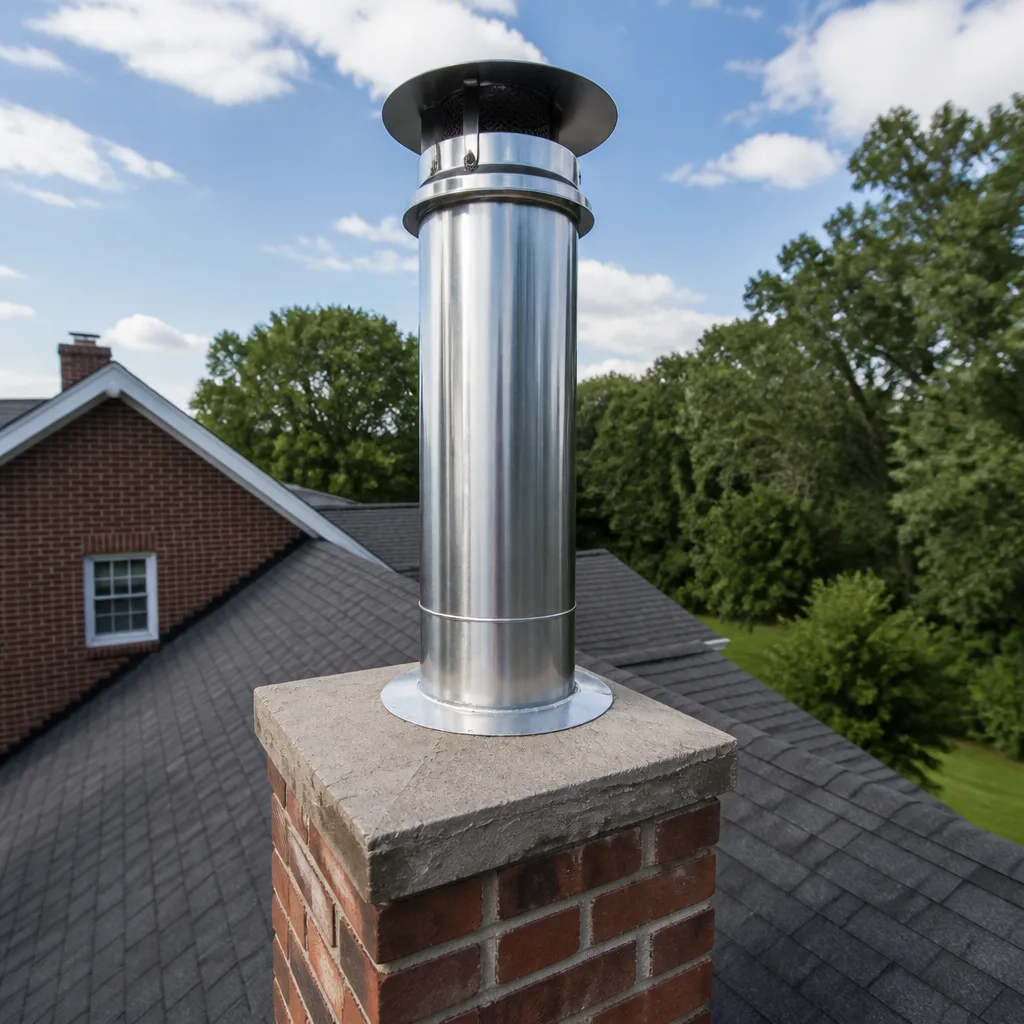 Flue relining
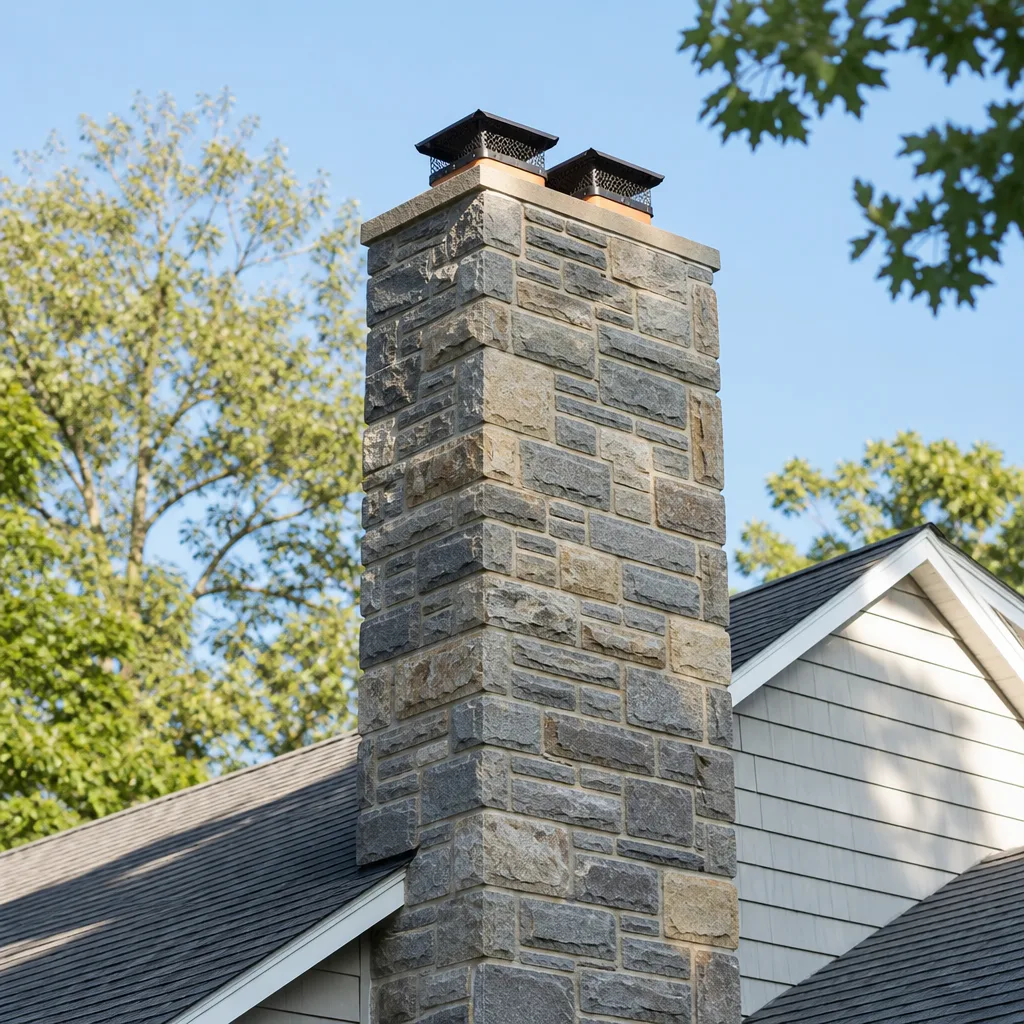 Masonry repair
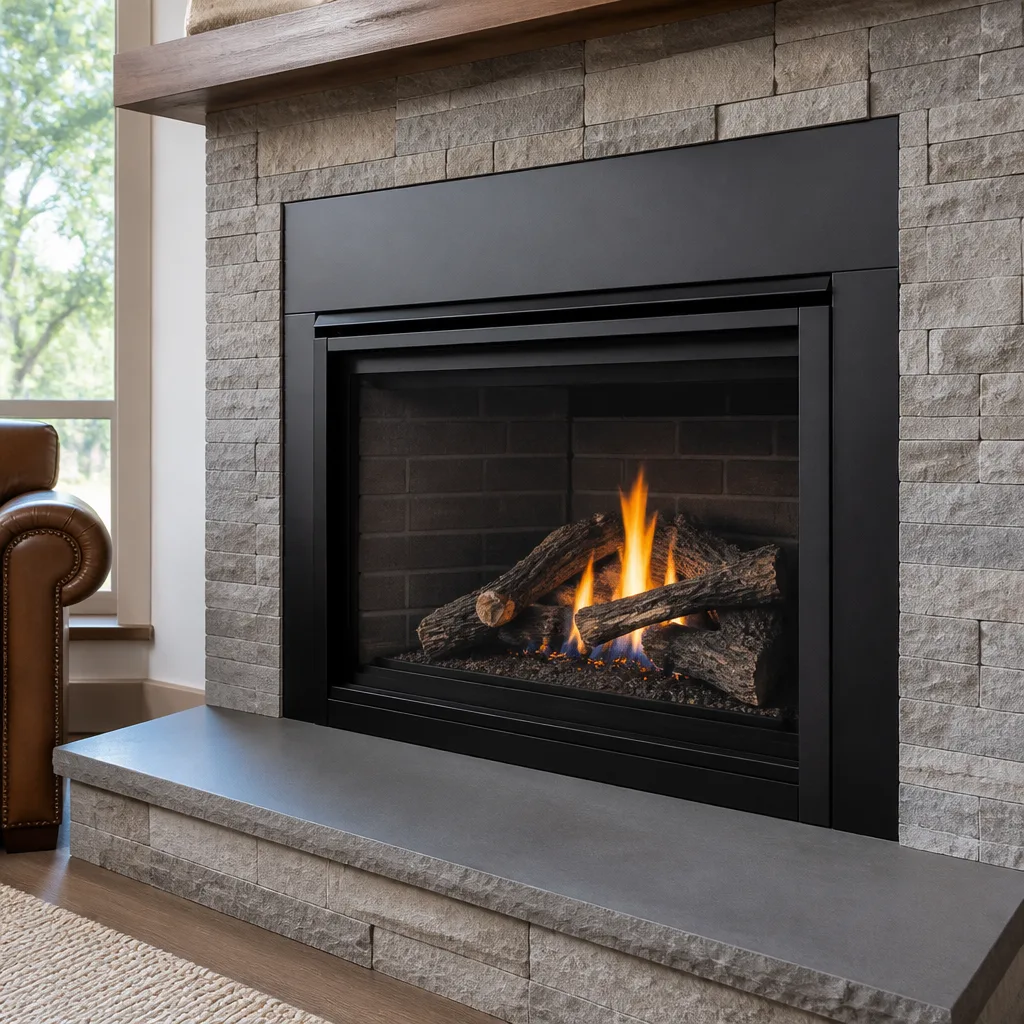 Gas fireplace service
Level 1 sweep and inspection to the NFPA 211 annual standard - flue, crown, cap, and flashing checked and photographed
Chimney sweep logs do not sweep chimneys. They loosen some creosote - which then falls where a brush and vacuum still have to collect it.
Chimney Cleaning Permits, Codes & Inspections in San Leandro, CA: What You Need to Know
Most San Leandro homeowners assume a chimney sweep is just a chimney sweep, no paperwork involved. That’s true for the sweeping itself. But Alameda County and the State of California draw a hard line between routine maintenance and structural work, and the moment a liner, firebox, or gas insert enters the picture, you’ve crossed it. A liner replaced without a permit doesn’t just sit there quietly. It can void your homeowner’s insurance coverage for any fire that starts in that flue, and it will surface again when you sell the house. This guide walks through exactly where the line sits, which codes apply, and how to avoid a title problem you didn’t know you were creating.
Quick Answer
Routine chimney sweeping and inspection in San Leandro require no permit under Alameda County or California building codes. However, structural repairs including liner replacement, firebox rebuilds, and any conversion from wood-burning to gas require building permits, and gas work requires adherence to California Air Resources Board rules. When in doubt, the permitting question is about whether the work changes the structure or fuel type, not whether it involves a brush.
Styles & brands we work with
- Sweep & inspection
- Caps & crowns
- Flue relining
- Masonry repair
- Gas fireplace service
Table of Contents
- Maintenance vs. Regulated Work: Where the Line Sits
- What Alameda County Requires for Chimney Work
- How Title 24 Affects Fireplace Dampers in San Leandro Homes
- NFPA 211: The Standard That Applies Even Without a Permit
- Converting Wood to Gas: CARB Rules and Permit Triggers
- How Unpermitted Chimney Work Surfaces in Real Estate Transactions
- What Happens During a Code Inspection in San Leandro
- Common Mistakes to Avoid
Maintenance vs. Regulated Work: Where the Line Sits
Here’s the cleanest way to think about it. A chimney sweep that removes creosote, soot, and debris from an existing flue is maintenance. It doesn’t change the structure, doesn’t alter the fuel type, and doesn’t touch the firebox beyond cleaning it. No permit. No inspection. You call, we clean, you burn wood again.
What does trigger a permit in San Leandro:
- Liner replacement or relining. If the flue liner is cracked, spalled, or missing sections, replacing it means pulling the old liner and installing a new one. That’s structural work on the fire containment system.
- Firebox rebuild. Rebuilding the firebox walls or floor changes the dimensions and materials of the combustion chamber. It’s not cosmetic.
- Chimney rebuild or substantial repair. Rebuilding a chimney crown, replacing more than a few bricks, or re-mortaring large sections of the stack goes beyond routine pointing.
- Gas insert installation or fuel conversion. Changing from wood to gas, or installing a gas insert where none existed, triggers both building and mechanical permits, plus possible Air Quality Management District review.
- Chase cover replacement that alters the structure. A simple cap swap is maintenance. Rebuilding the chase frame is not.
In our experience, the confusion usually starts with the word “cleaning.” A homeowner hears “chimney cleaning” and assumes everything related to the chimney falls under that umbrella. It doesn’t. Sweeping is one thing. Repairing is another. The county treats them as separate categories, and so should you.
What Alameda County Requires for Chimney Work
San Leandro issues its own building permits through the city’s Building & Safety division, but the requirements reflect Alameda County and California state codes. The relevant standard is the California Residential Code, which adopts the International Residential Code with state-specific amendments.
Here’s what that means in practice:
- Routine sweeping and inspection: no permit. This falls under normal property maintenance. No city involvement needed.
- Minor repairs to existing components: usually no permit. Replacing a damper plate, swapping a chimney cap for a like-for-like unit, or repointing a few bricks is maintenance as long as the structure isn’t compromised.
- Liner replacement: permit required. The flue liner is a fire containment system. Replacing it changes the thermal and structural profile of the chimney. San Leandro requires a building permit for this, and the work must be inspected.
- Firebox rebuild: permit required. The firebox is part of the structural masonry assembly. Rebuilding it is regulated work.
- Fuel conversion: permit plus mechanical review. Converting from wood to gas requires a building permit and a mechanical permit, and the gas line work must be done by a licensed contractor with a plumbing or mechanical classification.
If a contractor tells you they can replace a liner in San Leandro without a permit, walk away. The savings evaporates the first time something goes wrong and the insurance company discovers the unpermitted work.
How Title 24 Affects Fireplace Dampers in San Leandro Homes
California’s Title 24 energy code doesn’t get much attention in chimney conversations, but it should. Title 24 has specific requirements for fireplaces and dampers that affect San Leandro homes built after 1992, and especially those built after 2005 when the energy standards tightened.
Here’s the practical impact:
- Newer homes must have gasketed or tight-sealing dampers. If you have a home built after 2005, the fireplace damper is required to seal tightly when closed to prevent conditioned air from escaping up the flue. If the damper is warped, rusted, or doesn’t seat properly, you’re not just losing heat, you’re also out of compliance with the energy code that governs your house.
- Gas fireplaces in newer homes must have flue dampers that close automatically. Title 24 requires gas fireplaces in post-2005 construction to have a damper that can’t be left open continuously. This is an energy efficiency mandate, not a safety one, but it affects how the system is built and repaired.
- Older San Leandro homes have different requirements. Pre-1992 construction predates the damper requirements. You won’t be cited for a leaky damper in a 1970s home, but you’ll still be paying to heat the sky, and a repair can improve both comfort and code alignment if you’re already doing other work.
- Sweeping frequency. NFPA 211 says chimneys should be inspected at least once a year and cleaned when creosote buildup reaches 1/8 inch or more. This is the standard an insurance adjuster will cite if you file a chimney fire claim and haven’t had the chimney swept.
- Clearance requirements. NFPA 211 specifies minimum clearances between a chimney and combustible materials. San Leandro inspectors use these numbers when evaluating whether an older chimney still meets current expectations.
- Liner condition standards. NFPA 211 provides the technical basis for determining when a liner has failed. Cracked clay tiles, missing mortar joints, and spalled liner sections are all defined as conditions requiring repair or replacement.
- Inspection levels. NFPA 211 defines three levels of chimney inspection, from Level 1 (routine visual check during a sweep) to Level 3 (invasive inspection after a fire or structural event). Most San Leandro sweeps are Level 1, which is appropriate for a chimney in regular use with no changes.
- Building permit for the fireplace modification. The firebox and flue are being altered to accommodate the gas insert and its venting.
- Mechanical permit for the gas line and appliance. The gas connection must be installed by a licensed contractor, and the work inspected.
- Potential CARB certification verification. The insert must be on the CARB-certified list for California installation.
- Final inspection after installation. A city inspector verifies the work matches the approved plans and the insert is operating correctly.
- The seller must disclose it. California’s disclosure laws are strict. If you know about unpermitted work and don’t disclose it, you’re exposed to a lawsuit after the sale closes. That liability doesn’t expire quickly.
- The buyer’s lender may require remediation. FHA and VA loans have condition requirements that can force the seller to pull retroactive permits, bring the work up to code, and get it inspected before closing. That cost lands on the seller, and it’s always more expensive than doing it right the first time because you’re paying for corrections, not fresh work.
- Insurance companies may refuse to insure the home. Some homeowners insurance carriers will refuse to write a policy on a home with a known unpermitted fireplace modification. Others will exclude the fireplace from coverage. Either way, the buyer is left with a problem, and the deal may fall apart.
- The city can require the work be opened up for inspection. If retroactive permitting is attempted, the city may require the liner or firebox to be partially exposed so an inspector can verify the work. That means paying to undo and redo work that was already paid for once.
- Permit application. Your contractor files the permit application with the city’s Building & Safety division, including plans or specifications for the work.
- Permit issuance. The city reviews the application and issues the permit. For most chimney work, this is a straightforward review that takes a few days to a couple of weeks.
- Rough inspection. For liner replacement or firebox rebuilds, the inspector will want to see the work before it’s fully closed up. This typically means the old liner is out, the new liner is in place, and the connections are visible.
- Final inspection. After the work is complete, the inspector verifies the finished installation. For gas inserts, this includes checking the gas connection, the venting, and the operation of the unit.
- Sign-off and permit close. The inspector signs off, the permit is closed, and the work is on record as complying with code. That record is what protects you in the future.
- Assuming all chimney work is permit-free. Sweeping is. Liner replacement, firebox work, and fuel conversion aren’t. Get the category right before you hire.
- Hiring a handyman for liner work. A liner replacement isn’t a handyman job. It requires a licensed contractor who understands the California Residential Code and will pull the permit. We’ve seen too many homeowners pay twice because the first person didn’t know what they were looking at.
- Skipping the annual inspection because the fireplace “works fine.” Creosote builds silently, and a cracked liner doesn’t announce itself. NFPA 211 says inspect yearly. The cost of a sweep is trivial compared to the cost of a fire.
- Ignoring damper condition in newer homes. If your home was built after 2005, a failed damper isn’t just inefficient, it’s a Title 24 compliance issue. Fixing it during a sweep or repair visit costs less than addressing it separately.
- Converting to gas without CARB certification. Not every gas insert is legal to install in California. Verify the unit is CARB-certified before you buy, or you’ll be replacing a brand-new insert.
- Assuming a home inspector checks everything. A standard home inspection is visual and limited. A Level 2 chimney inspection, with a camera, sees what a visual check misses. If you’re buying a home in San Leandro, that extra inspection is worth every dollar.
- Treating a chimney sweep and a chimney repair contractor as interchangeable. A sweep cleans. A repair-capable contractor diagnoses and fixes structural problems on the same visit. One visit, full picture, means you’re not hiring a second company to fix what the first one found.
When we work on a Chimney Cleaning San Leandro home that needs damper replacement, we check the construction year and advise accordingly. A home built in 2008 should get a tight-sealing damper as a code matter. A home built in 1962 has more flexibility, though the efficiency argument still applies.
NFPA 211: The Standard That Applies Even Without a Permit
NFPA 211 is the National Fire Protection Association’s standard for chimneys, fireplaces, vents, and solid fuel-burning appliances. It’s not a law in itself, but it matters in San Leandro because insurance companies, home inspectors, and courts all reference it when disputes arise.
What NFPA 211 establishes:
Here’s the thing most guides don’t explain clearly. NFPA 211 applies even when no permit is required. Skipping a sweep doesn’t violate any San Leandro ordinance, but if a fire happens, your insurer will ask when the chimney was last cleaned and inspected. No record means a denied claim is more likely. NFPA 211 is the benchmark they use.
Converting Wood to Gas: CARB Rules and Permit Triggers
Converting a wood-burning fireplace to a gas insert is one of the more complicated permit scenarios in San Leandro, because two separate regulatory bodies get involved.
First, the California Air Resources Board (CARB) regulates wood-burning devices and their replacements. Under CARB rules, any new gas insert installed in a California home must meet specific efficiency and emission standards. The insert itself must be CARB-certified. This isn’t optional, and it affects which units are legal to install in San Leandro.
Second, the Bay Area Air Quality Management District has its own rules about wood smoke. San Leandro sits within the BAAQMD’s jurisdiction, and the district has been moving toward stricter limits on wood burning on Spare the Air days. Converting from wood to gas is generally viewed favorably by the district, but the work still requires permits.
The permit sequence for a conversion:
The liner for a gas insert is different from the liner for a wood fire. Gas produces different combustion byproducts, and the venting must be sized and rated accordingly. We install professional-grade liners from Olympia Chimney for gas conversions, because the material ratings matter for code compliance and for passing the inspection the first time.
How Unpermitted Chimney Work Surfaces in Real Estate Transactions
This is where unpermitted chimney work really bites. San Leandro has a strong real estate market, and buyers are increasingly using thorough home inspections that go beyond the basic visual check. A good inspector will check the permit history on any major chimney work, and Alameda County’s online permit records make that check easy.
What happens when unpermitted work is discovered:
The cost of a retroactive permit and inspection in San Leandro is typically higher than the cost of doing the permit process correctly the first time, once you factor in the exposure, the rework, and the delay. We repair what we find, and part of that means telling homeowners plainly when work can wait and when skipping the permit is a false economy.
What Happens During a Code Inspection in San Leandro
If your chimney work does require a permit, you’ll have at least one city inspection. Here’s how that process works in San Leandro:
A chimney sweep that’s just a sweep doesn’t trigger any of this. But when we’re doing repair work in San Leandro, whether it’s a liner from DuraFlex or a chase cover from Copperfield, the permit process is part of doing the job correctly. Professional-grade materials, every job, and the paperwork to match.
Common Mistakes to Avoid
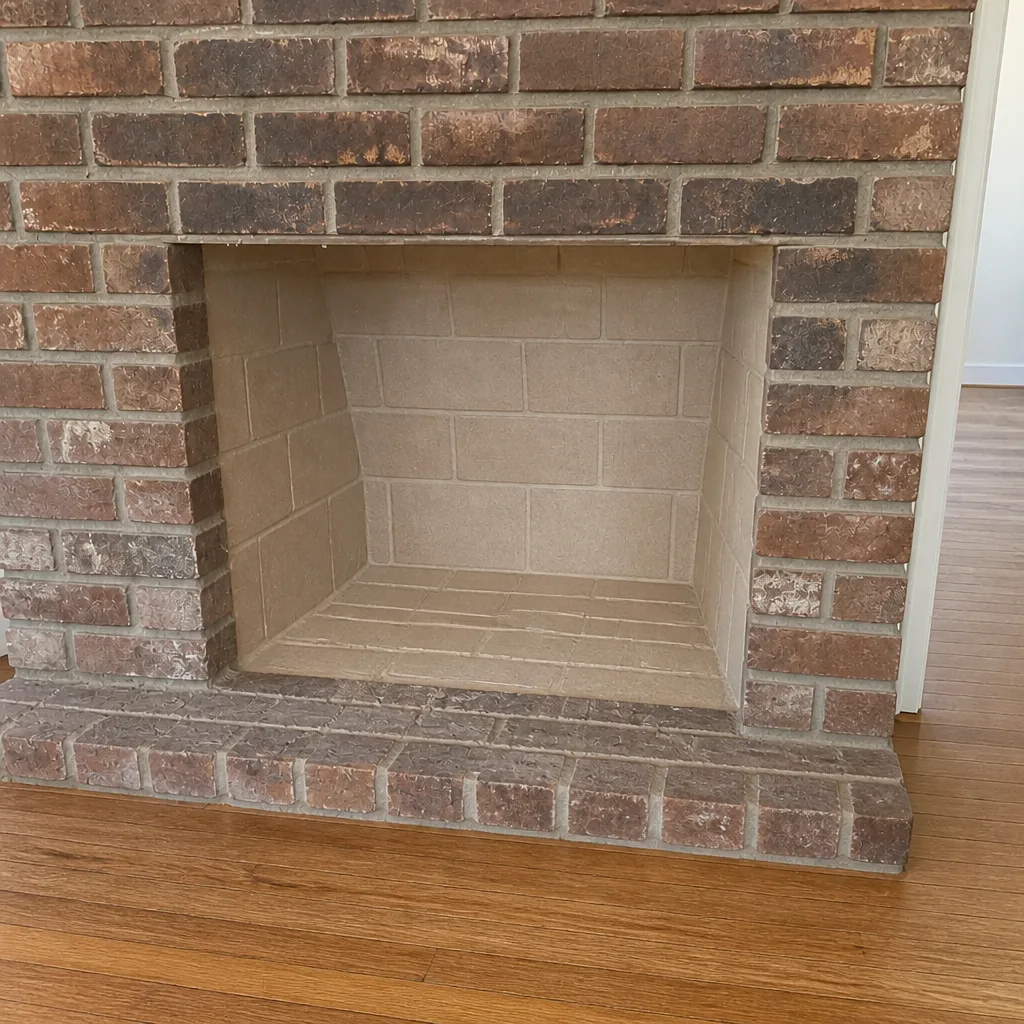
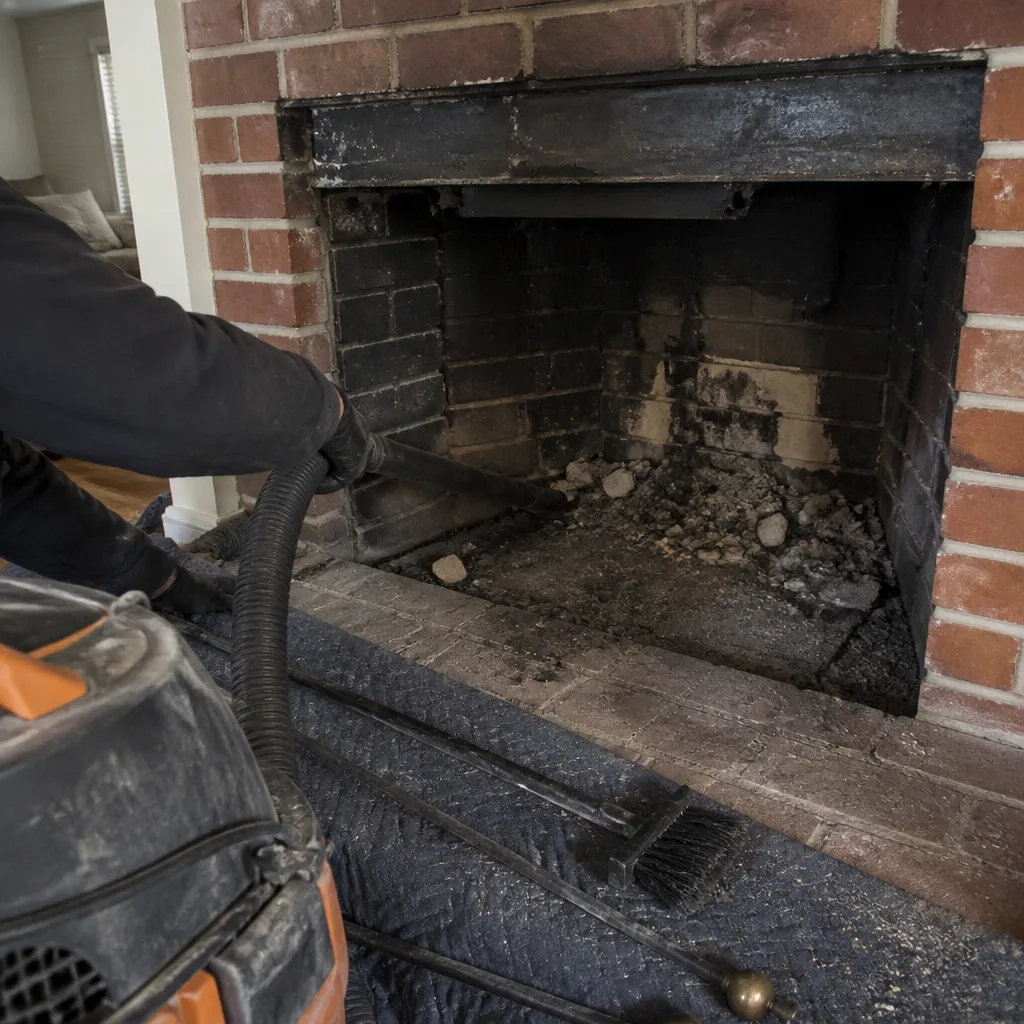
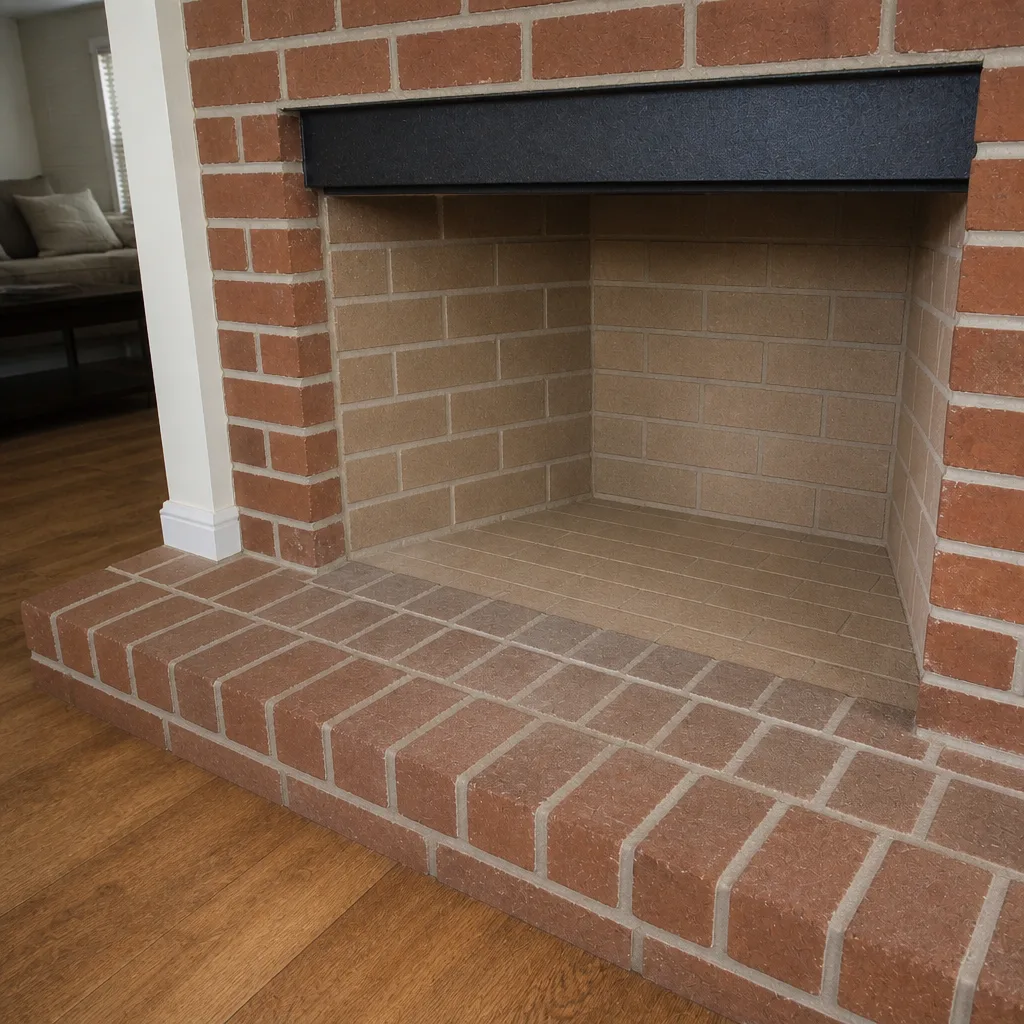
See the difference
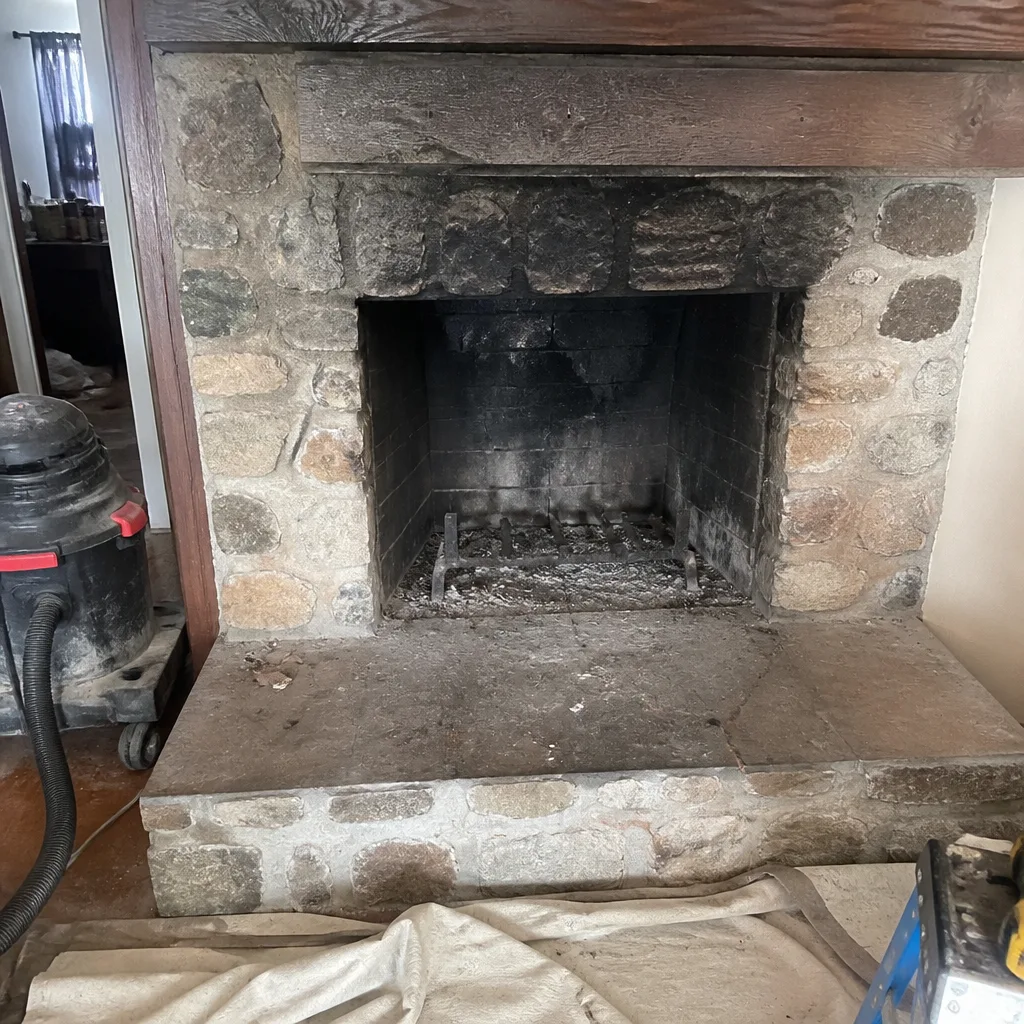 Before
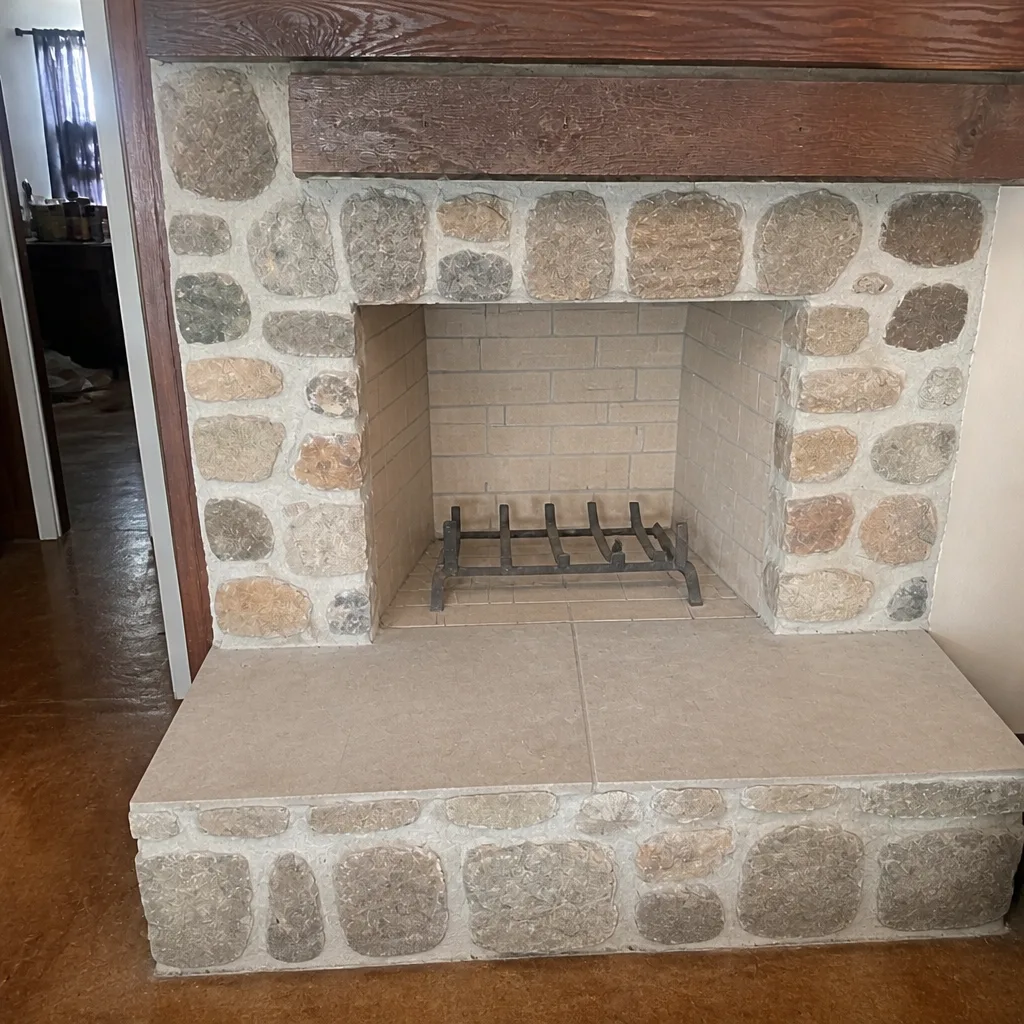 After
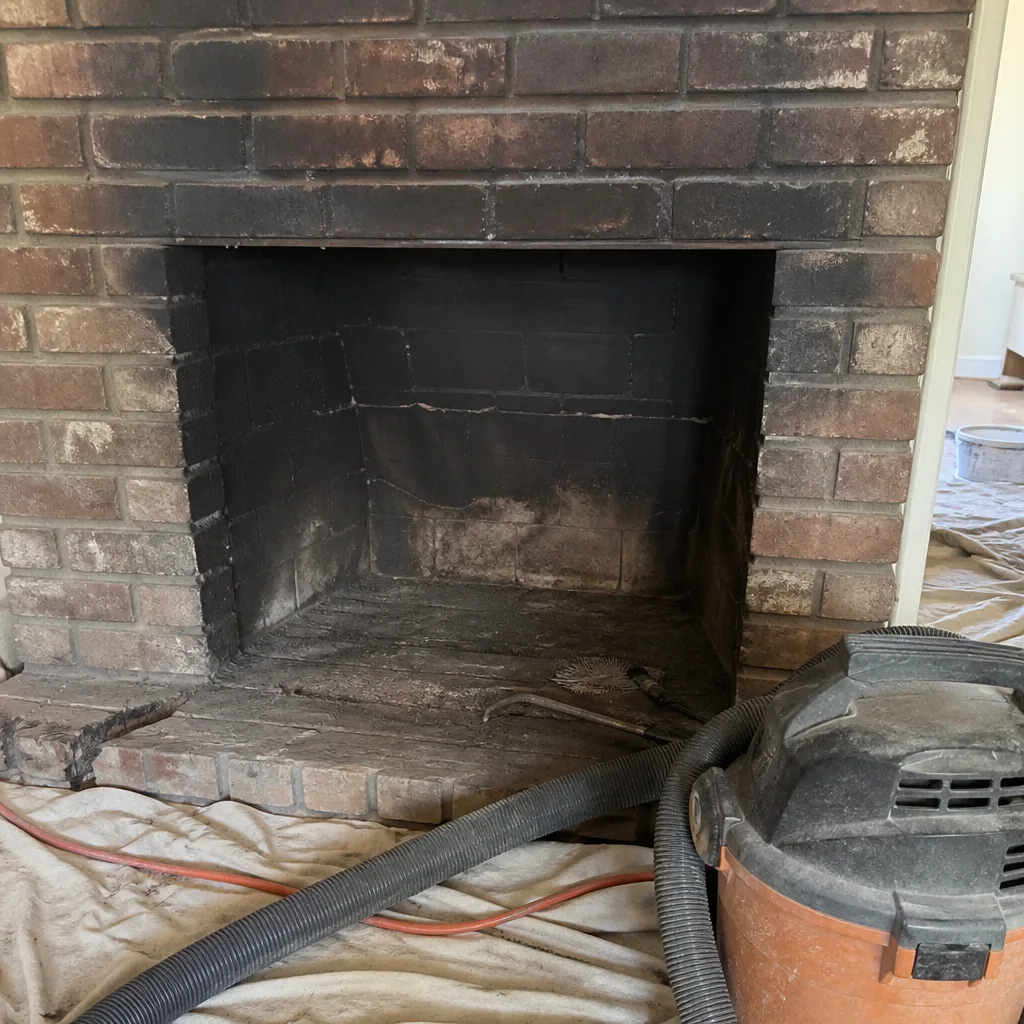 Before
 After
 Before
 After
When to Call a Professional
Call a professional chimney contractor when the scope moves beyond routine sweeping. That includes any visible cracking in the firebox, spalling bricks on the exterior stack, smoke entering the living space, a damper that won’t seal, or any plan to convert from wood to gas. If a home inspector flags the chimney on a San Leandro purchase, get a Level 2 inspection with a camera before you close. San Leandro homeowners who want a single provider for the full sweep-and-repair lifecycle can call us. We offer free estimates in San Leandro. Call (833) 736-8208.
Frequently Asked Questions
No. Routine chimney sweeping and Level 1 inspection are maintenance activities that require no permit in San Leandro. The permit requirement begins when the work changes the structure, the liner, the firebox, or the fuel type. Call (833) 736-8208 for a free estimate. We answer 24/7. Fast dispatch from 7am to 7pm, Sunday through Friday.
Liner replacement, firebox rebuilds, chimney rebuilds, and any fuel conversion from wood to gas all require building permits in Alameda County. Minor repairs like cap replacement or repointing a few bricks typically don’t. The test is whether the work alters the structure or the fire containment system.
If your San Leandro home was built after 2005, Title 24 requires a tight-sealing damper that prevents conditioned air from escaping when the fireplace isn’t in use. Gas fireplaces in newer homes must have dampers that close automatically. Older homes aren’t retroactively required to comply, but a leaky damper is still costing you money.
No. Converting from wood to gas requires a building permit, a mechanical permit for the gas line, and installation of a CARB-certified gas insert. The work must be inspected by the city. Skipping the permit creates a title problem and a potential insurance exclusion for any fire related to the appliance.
NFPA 211 recommends an annual inspection and sweeping when creosote reaches 1/8 inch. Homes that burn wood regularly should plan on a yearly sweep. Homes used occasionally can sometimes go longer, but an annual check is the standard an insurance company will hold you to. Call (833) 736-8208 for an exact quote. Estimates are free.
You inherit the problem. The unpermitted work may be excluded from your homeowners insurance, your lender may require remediation before closing, and the city may require the work to be opened up for inspection. The time to catch this is during the purchase inspection, not after the keys change hands.
Is dryer vent cleaning subject to the same permit rules?
No. Dryer vent cleaning is a maintenance service with no permit requirement in San Leandro. However, dryer vents are a fire hazard, not a minor chore, and the same logic applies: regular cleaning prevents the conditions that lead to fires. The difference is that dryer vent work doesn’t trigger structural permits unless the vent routing itself is being changed, which is rare in residential settings.
The Bottom Line
Chimney cleaning in San Leandro is permit-free. Chimney repair is not. The distinction matters because getting it wrong creates insurance problems, title problems, and expensive corrections that dwarf the cost of doing the work properly the first time. Sweep regularly, inspect annually, and when structural work is needed, use a contractor who pulls the permit and installs professional-grade materials. From the liner to the cap, every component matters, and the paper trail is part of the job. If you’re not sure which side of the line your project falls on, call (833) 736-8208 and ask. We answer 24/7. Fast dispatch from 7am to 7pm, Sunday through Friday.
Written by the team at Chimney Cleaning San Leandro, serving San Leandro since 2013.