
Last updated November 4, 2026
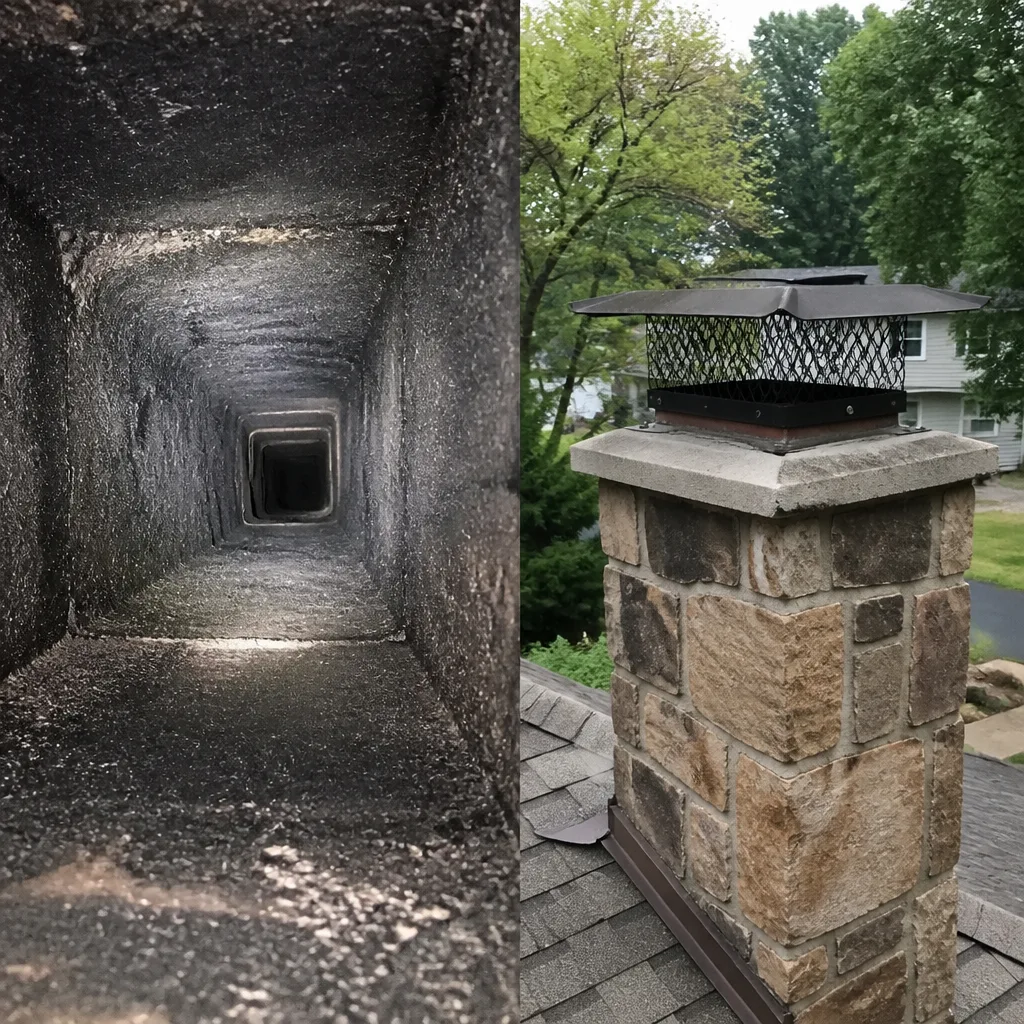 Sweep & inspection
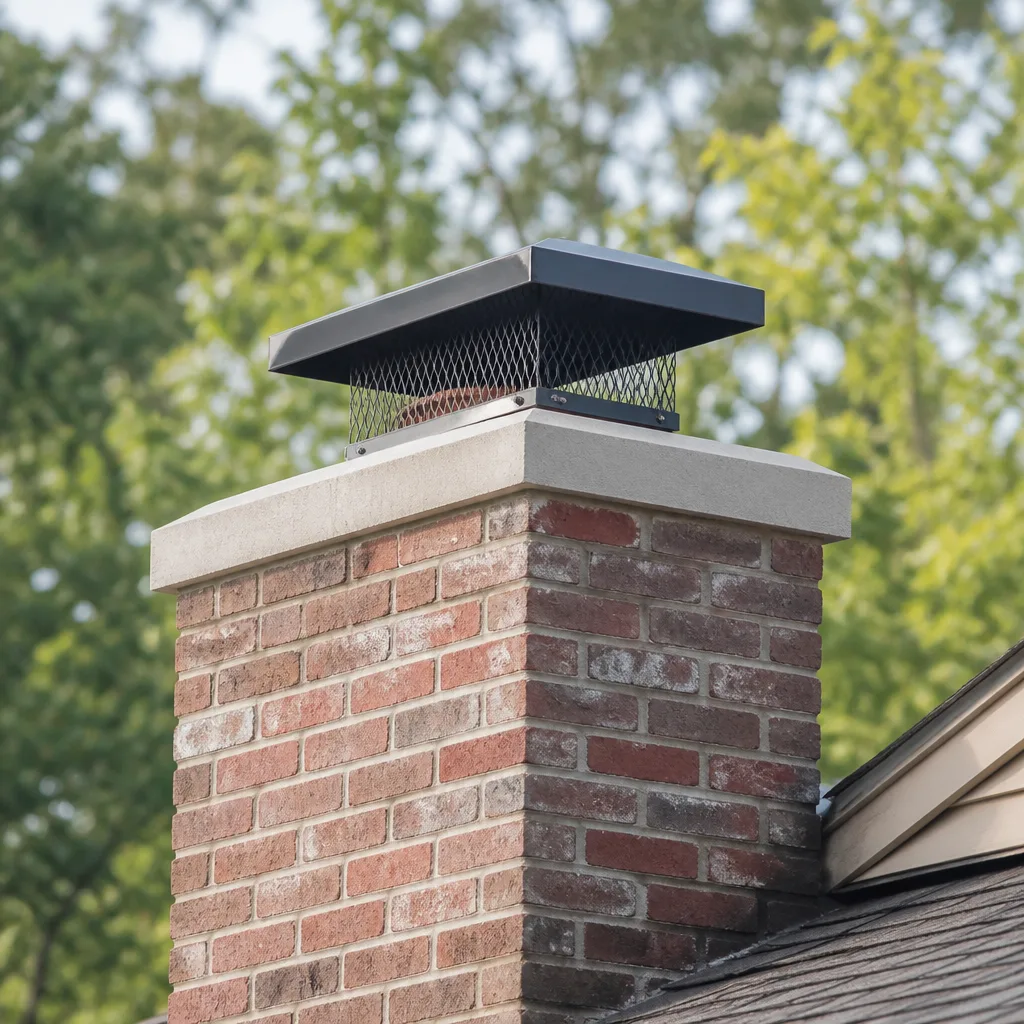 Caps & crowns
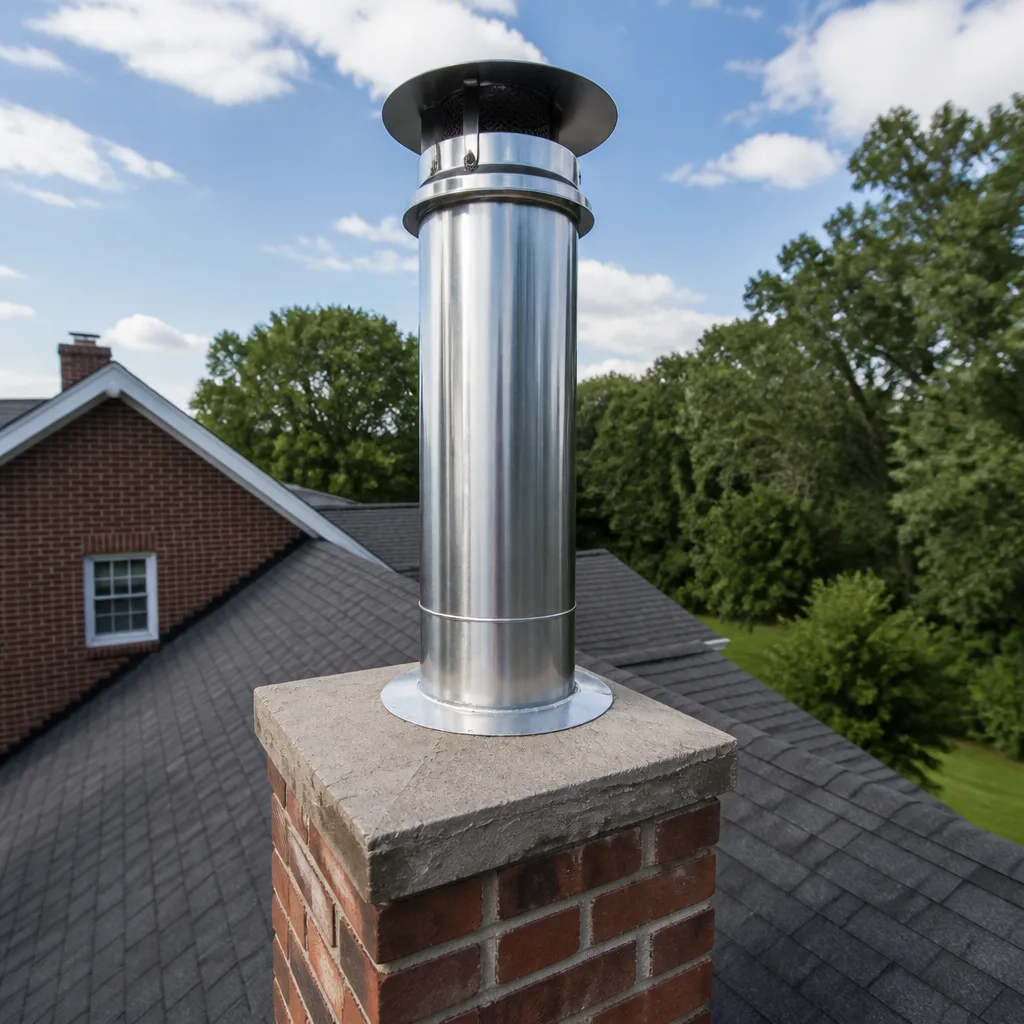 Flue relining
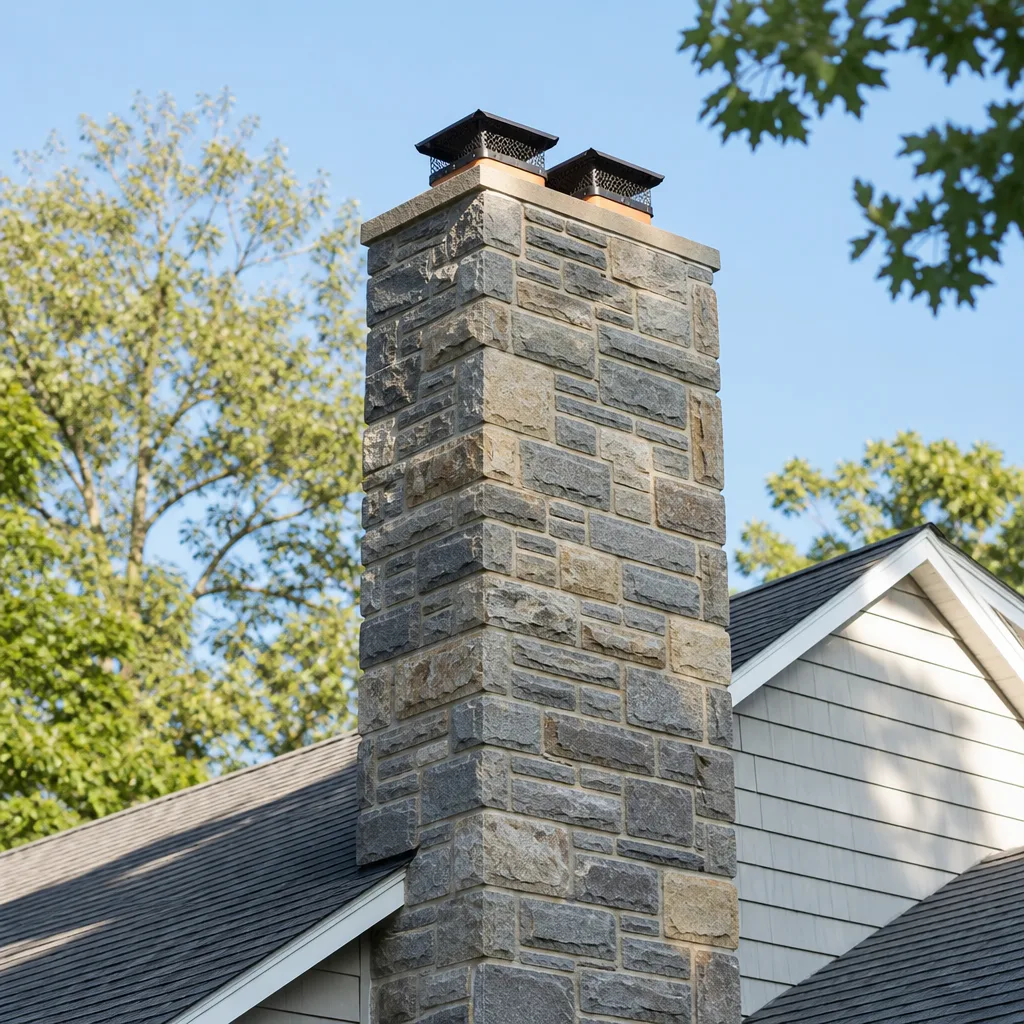 Masonry repair
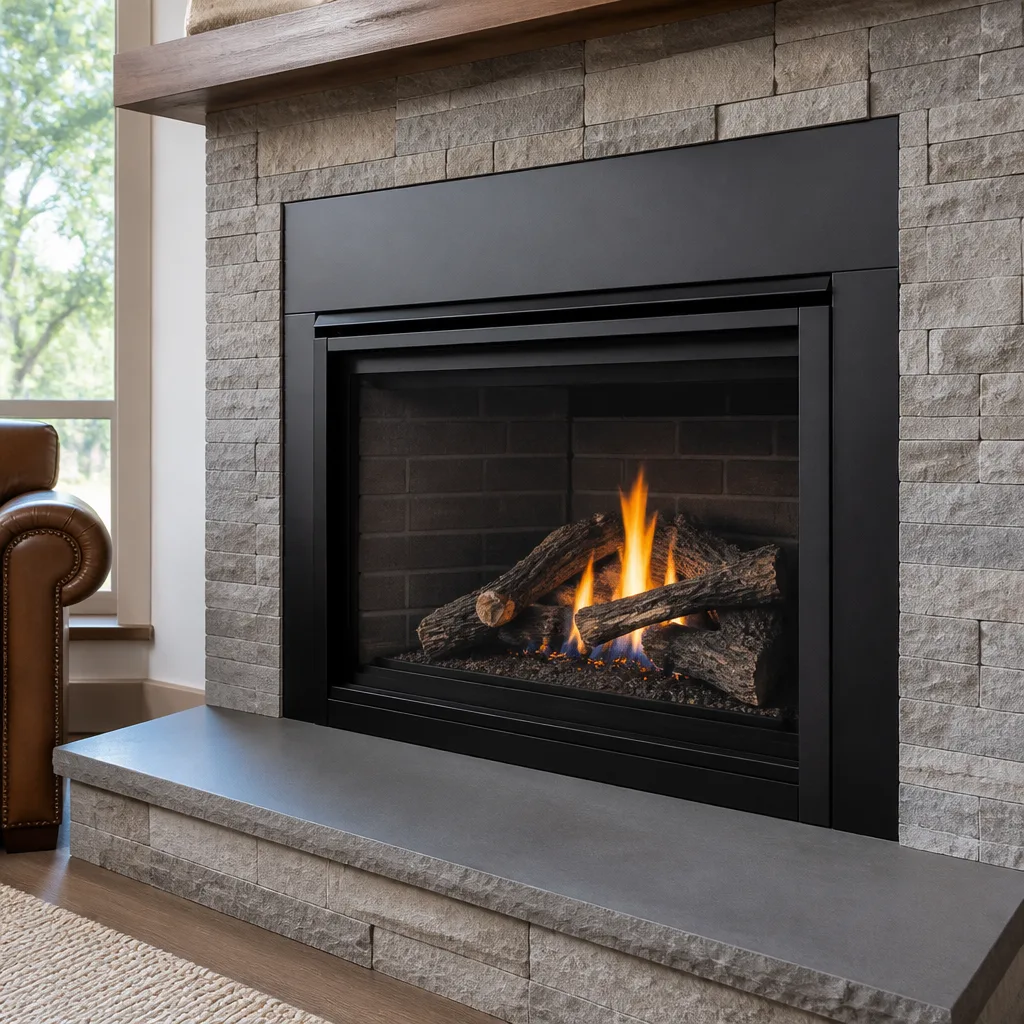 Gas fireplace service
Level 1 sweep and inspection to the NFPA 211 annual standard - flue, crown, cap, and flashing checked and photographed
Chimney sweep logs do not sweep chimneys. They loosen some creosote - which then falls where a brush and vacuum still have to collect it.
Chimney Cleaning Emergency Preparedness Guide for San Leandro Homes
A chimney fire doesn’t always sound like a roaring inferno. Sometimes it sounds like a low rumble you mistake for the HVAC kicking on, or a faint popping noise behind the wall. By the time you recognize it for what it is, the liner has already cracked and hot gases are finding their way into places they shouldn’t be. That’s the gap this guide closes for San Leandro homeowners. We’ll walk through how chimney emergencies actually present themselves, what to do in the first five minutes, and how to make sure a small incident doesn’t turn into a structural problem you’ll be dealing with for years. Most of what you’ll read here isn’t covered in standard sweeping guides, because most guides stop at the brush. We repair what we find, and that changes how we think about emergencies.
Styles & brands we work with
- Sweep & inspection
- Caps & crowns
- Flue relining
- Masonry repair
- Gas fireplace service
Quick Answer
Chimney emergency preparedness for San Leandro homes means knowing three things: how to recognize an active chimney fire even when it’s not dramatic, how to shut down the system correctly while you wait for the fire department, and how to get a written post-event condition assessment before the flue is used again. The most common emergencies here are chimney fires from creosote buildup, carbon monoxide events from blocked or damaged flues in older housing stock, and sudden blockages from bird nests or debris falls. For any suspected chimney fire, close the damper and air inlets if you can do so safely, evacuate, and call 911 from outside the house.
Table of Contents
- How to Recognize a Chimney Fire in Progress
- Immediate Actions When You Suspect a Chimney Fire
- Carbon Monoxide and Chimney Systems: The San Leandro Risk Profile
- Sudden Blockage Emergencies: What They Look Like and How to Respond
- The Post-Emergency Inspection: What Happens After the Fire Is Out
- Insurance, Documentation, and the Written Condition Assessment
- Seasonal Emergency Patterns in San Leandro’s Climate
- Common Mistakes to Avoid
- When to Call a Professional
- Frequently Asked Questions
- The Bottom Line
How to Recognize a Chimney Fire in Progress
The image most people carry around is a column of flame shooting out the top of the chimney like a Roman candle. That happens, but it’s the exception rather than the rule. The majority of chimney fires are quieter than that, and they get missed precisely because they don’t look like the dramatic footage you see on the news. Here’s what actually happens during a chimney fire, and what to listen for, smell, and look at while it’s happening.
The sound is usually the first clue. A chimney fire often sounds like a low, sustained rumble or a freight train passing at a distance that never quite passes. It can also sound like loud popping or crackling that doesn’t match what’s happening in the firebox. Some homeowners describe it as a dull roar they initially attribute to wind or to the furnace cycling on. The key distinguishing feature is that it continues even when you close the damper, because the fire is above the damper in the flue itself.
The smell is second. Burning creosote has a distinct odor that’s different from a normal wood fire. It’s acrid and sharp, closer to burning tar or hot asphalt than to campfire smoke. You may smell it through the wall near the chimney chase, in upstairs rooms adjacent to the flue, or outside the house near the roofline. If you smell something hot and chemical-like that you can’t place, and the fireplace has been in use recently, treat it as a chimney fire until proven otherwise.
Visible signs come last, and they’re easy to miss if you’re not looking at the right places. Flames or sparks from the chimney top are the obvious one. But also check for:
- Dark smoke that’s thicker than normal wood smoke, often with an oily quality
- Flakes of creosote, sometimes still glowing, landing on the roof or in the yard
- Discoloration, warping, or heat shimmer on the metal rain cap or chase cover
- Cracking sounds from the masonry, which indicate the liner or flue tiles are fracturing under heat stress
Here’s the counterintuitive part that matters for San Leandro specifically. Our winters are mild, which means many fireplaces get used only occasionally, and the fires that do get lit are often smaller and slower-burning. That seems safer, but it actually produces a particular kind of creosote: the dense, tarry grade-three stuff that forms at lower temperatures and is the most combustible type. A chimney that gets light use in a mild climate can build up a more dangerous creosote profile than one that sees hot, frequent fires in a cold climate. In our experience, the chimney fires that cause real damage here often come from fireplaces the homeowner thought were “barely used.”
The chimney sweep we perform at chimney sweep appointments includes a full visual inspection of the flue interior specifically because these early warning conditions are invisible from the firebox. You can’t see grade-three creosote from your living room. You need a light and a mirror or camera in the flue.
Immediate Actions When You Suspect a Chimney Fire
What you do in the first five minutes matters more than anything else. Here’s the protocol in order, written for someone who’s standing in their living room right now wondering if that rumble is something serious.
- Close the damper if you can reach it safely. This cuts off the fire’s air supply from below. Do not reach into the firebox. Do not open the doors if you have glass fireplace doors that are closed. If the damper handle is hot or the fireplace doors are too hot to touch, skip this step and go straight to evacuation.
- Close any air inlets on the fireplace or stove. This includes outside air kits, ash dump doors if accessible without reaching into the firebox, and any vents on a wood stove. The goal is to starve the fire of oxygen without putting yourself near it.
- Do not use water. Throwing water into a chimney fire can create a steam explosion inside the flue, which is how masonry chimneys get blown apart. It can also crack the liner instantly from thermal shock. Let the fire department handle fire suppression.
- Evacuate everyone from the house, including pets. Go outside, move away from the chimney, and stay out. Do not go back inside for anything.
- Call 911 from outside. Tell the dispatcher you suspect a chimney fire, not just a house fire. This helps the responding crew know they’re looking for fire in the flue, the firebox, and potentially the attic or wall cavities around the chimney.
- If you can safely do so, watch the roofline and report what you see. Flames visible from the top, smoke color, and any cracking sounds are all useful information to relay to the fire department when they arrive.
There’s one thing you should not do while waiting for the fire department: open all the windows. It seems intuitive to ventilate the house, but a chimney fire in the flue can pull air from any opening it can find. Opening windows on the windward side of the house can actually feed the fire through any gaps in the chimney system. Keep the house closed up, get out, and wait for the professionals.
After the fire is out, the immediate danger may not be. A chimney fire that has cracked the liner leaves behind a flue that can leak hot gases and carbon monoxide into the house on the very next fire. This is the moment where the post-event discipline matters most. We’ll cover that in detail below, but know this: a chimney fire, even a small one, means the fireplace is out of service until a professional has looked inside the flue and given you a written okay.
Carbon Monoxide and Chimney Systems: The San Leandro Risk Profile
Carbon monoxide doesn’t announce itself. It’s odorless, colorless, and slightly lighter than air, which means it distributes through a room rather than pooling at the floor. When a chimney system fails in a way that sends combustion gases back into the house, the people inside often don’t realize anything is wrong until they’re already symptomatic: headache, nausea, dizziness, confusion, and a flushed appearance that people mistake for the flu. In the worst cases, they fall asleep and don’t wake up.
Chimney-related carbon monoxide events happen for three primary reasons, and two of them are especially relevant to San Leandro’s housing stock.
The first is a blocked flue. A bird nest, a debris fall, a collapsed liner section, or even a heavy creosote accumulation can restrict or close off the flue so combustion gases can’t exit. When that happens, the gases find the next available path, which is back into the room through the fireplace opening or through any small gap in the system.
The second is a cracked or failed liner. Flue tiles crack with age and thermal stress. Once they’ve cracked, the flue is no longer a sealed channel. Gases can leak through the cracks into the wall cavities around the chimney, into adjacent rooms, or into the attic. This is why a chimney can look fine from the outside and still be poisoning the house.
The third is depressurization. Modern homes are tighter than older ones, and exhaust fans, range hoods, and bathroom fans can pull air down the chimney instead of allowing it to flow upward. This is less common in the older, leakier homes that make up much of San Leandro’s residential stock, but it becomes a real factor in renovated homes with new windows and added insulation. The house that was drafty enough to vent safely in 1965 might not be after a remodel.
San Leandro’s older housing stock deserves a specific mention here. A significant portion of the homes in this city were built before modern liner standards were universal, and many of them have original masonry flues that have never been relined. Terracotta flue tiles were the standard for decades, and they crack. They crack from thermal cycling, from minor chimney fires that went unnoticed, from settling, and from simple age. When they crack, the system is compromised even if the fireplace still draws and the bricks look fine.
Detector placement matters more than most homeowners realize. For homes with a fireplace or wood stove:
- Install a carbon monoxide detector on every level of the house, including the basement if you have one
- Place one detector in or near the room with the fireplace or stove, but not directly above the appliance
- Install detectors in hallways outside sleeping areas so they wake you if an event happens overnight
- Test the detectors monthly and replace them according to the manufacturer’s schedule, which is typically every 7 to 10 years depending on the model
- If you have a gas fireplace or gas water heater that vents through the chimney, the carbon monoxide risk is not reduced – gas appliances produce carbon monoxide as a byproduct, and a blocked or failing chimney affects them just as much as a wood fire
If a carbon monoxide detector goes off, treat it as an emergency whether or not you feel symptoms. Open windows if you can do so quickly, evacuate, and call the fire department. Do not re-enter the house until they’ve cleared it. After the immediate event is over, the chimney system needs a professional inspection before the appliance is used again.
Sudden Blockage Emergencies: What They Look Like and How to Respond
Not every chimney emergency involves fire. Some of the most dangerous situations we’ve seen in San Leandro homes started with nothing more dramatic than a bird deciding the flue looked like a good place to build a nest. But a blocked chimney is not a minor inconvenience. It’s a system that can’t vent, and a system that can’t vent is a carbon monoxide risk and a fire risk waiting for the next time someone lights a fire.
Here’s what a sudden blockage looks like from the homeowner’s perspective, and what to do about each type.
Bird nests and animal entry. The classic sign is smoke backing up into the room when you light a fire, but it can also show up as a chirping or scratching sound from the chimney, droppings or nesting material falling into the firebox, or a strong ammonia-like odor coming from the fireplace. Birds, squirrels, and raccoons all use chimneys as shelter. Once an animal is in the flue, it’s a hazard to the animal and to the house. Do not try to smoke the animal out by lighting a fire. That’s how chimney fires start and how animals die in your flue, which creates a blockage and an odor problem that’s expensive to resolve. The correct response is to stop using the fireplace entirely and have the flue professionally inspected and cleared.
Debris falls from the chimney interior. This looks like pieces of terracotta tile, mortar chunks, or black creosote flakes falling into the firebox or appearing in the ash. A debris fall means something inside the flue has broken loose, and that something could be a section of liner that’s now blocking the flue lower down. Stop using the fireplace immediately. A collapsed liner section is a physical obstruction and a sign that the liner has reached the end of its service life. The fix is usually a relining job, and waiting only makes the damage worse.
Collapsed liner sections. This is the most serious of the sudden blockages. A liner that has cracked, shifted, or collapsed means the flue is no longer a continuous channel. It’s blocked, and it’s leaking. The chimney can’t vent, and the gases are going somewhere they shouldn’t. Indicators include sudden poor drafting, smoke in the house, a metallic rattling sound when you tap the chimney from outside, or pieces of liner material in the firebox. Any one of these means the fireplace is out of service until a professional has assessed the full extent of the damage.
The common thread here is that a blocked chimney can’t be fixed by burning it hot and hoping the blockage clears itself. That approach starts fires and cracks liners. The correct response to every blockage scenario is the same: stop using the appliance, keep the damper closed, and get a professional in to inspect and clear the system. In a home with a gas appliance venting through the same flue, this is even more urgent, because the carbon monoxide risk doesn’t wait for the next fire. It starts the next time the appliance runs.
The Post-Emergency Inspection: What Happens After the Fire Is Out
Here’s the step most emergency preparedness guides skip, and it’s the one that determines whether a chimney fire is a one-time scare or the beginning of a much bigger problem. After the fire department leaves, after the smoke clears, after the immediate adrenaline wears off, there’s a chimney standing in the house that just went through a thermal event. It needs to be assessed before it’s used again.
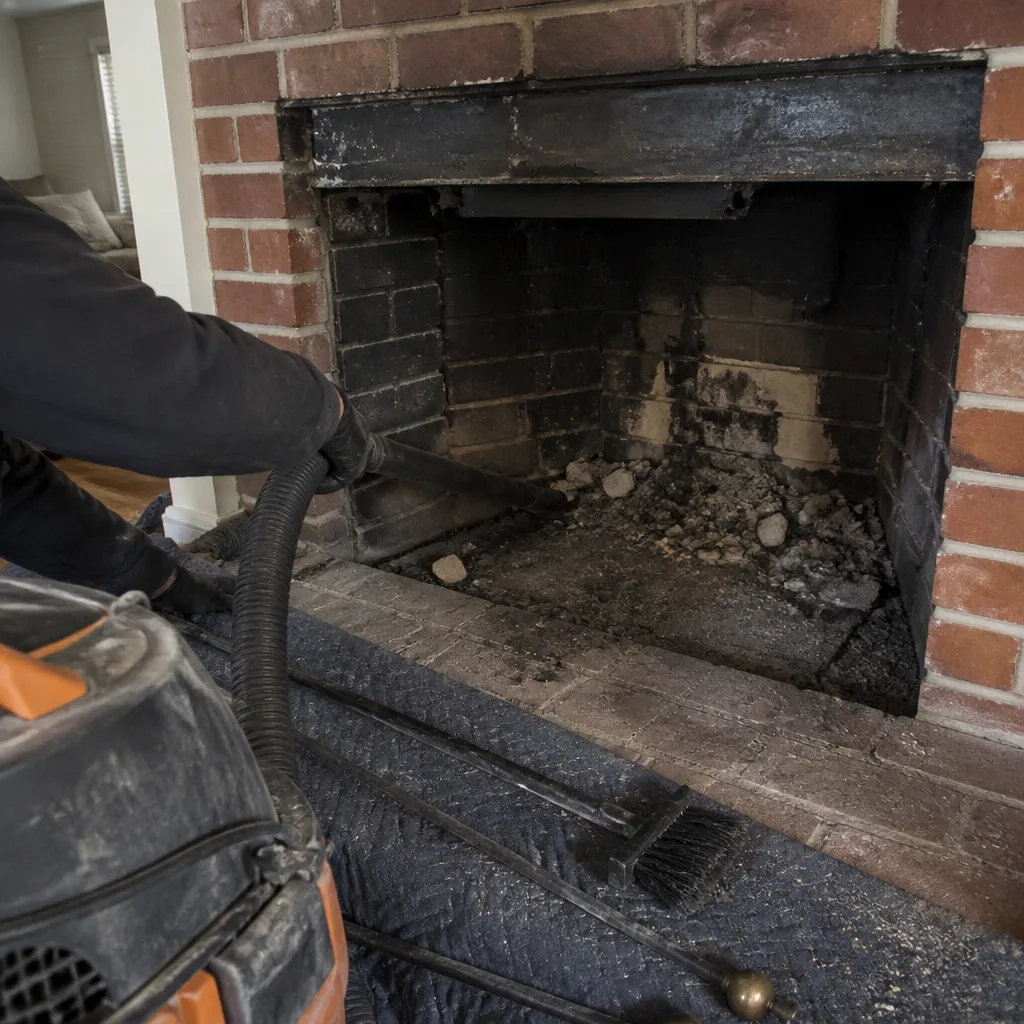
The post-emergency inspection is different from a routine Chimney Cleaning San Leandro appointment. A routine sweep is maintenance. A post-event inspection is a damage assessment, and it needs to look at specific things:
- Liner integrity. The flue lining has to be checked for cracks, spalling, shifting, and separation. A chimney fire can crack terracotta tiles, damage stainless steel liners, and compromise mortar joints. Any of these means the liner is no longer doing its job.
- Masonry and mortar condition. The heat from a chimney fire can expand the masonry and crack bricks and mortar joints. In an older San Leandro chimney with decades of weathering already in the walls, a fire can be the event that turns hairline cracks into structural gaps.
- Creosote state. The fire may have burned off some creosote, but more often it leaves behind a residue that’s partially burned and even more combustible than what was there before. The flue needs to be swept after the fire, not before.
- Cap, crown, and chase cover. The chimney fire’s heat exits through the top of the flue, and it can warp or crack the rain cap, the crown, or the chase cover. These components keep water out, and a damaged top means the next rain becomes a water intrusion problem.
- Adjacent structure. The inspection should extend to the attic and the wall cavities near the chimney, checking for heat damage, soot staining, or evidence that fire or hot gases escaped the flue.
One visit, full picture. That’s how we approach post-event inspections at San Leandro homes, because the things that go wrong after a chimney fire are rarely confined to one component. The liner cracks, which lets water in, which damages the masonry, which lets more heat out, which accelerates every other problem. A partial inspection that only looks at the flue from the firebox misses the damage that’s happening in the attic or at the roofline.
The written assessment matters. After the inspection, you need a document that describes what was found, what’s damaged, what’s serviceable, and what needs to happen before the flue is safe to use again. This is the document your insurance company will ask for, and it’s the document that protects you if something goes wrong later. A verbal “it looks okay” is not enough after a chimney fire. Get it in writing.
Insurance, Documentation, and the Written Condition Assessment
Chimney fires are covered by most homeowners insurance policies, but the claim process is where homeowners get tripped up. Insurance companies don’t just write a check because you say there was a fire. They need evidence: what happened, what was damaged, what it will cost to fix, and what condition the chimney was in before the event. The more documentation you have, the smoother the claim goes.
Start with the fire department report. If the fire department responded, their incident report is the foundation of your documentation. It establishes that a chimney fire occurred, where it occurred, and what the responding crew observed. Ask for a copy of that report as soon as it’s available. It’s the primary evidence your insurer will look at first.
Next, photograph everything before any cleanup or repair work happens. The firebox, the exterior of the chimney, the roof around the chimney, the attic near the flue, and any interior damage like smoke staining. Take more photos than you think you need. Once the chimney is cleaned or repaired, the evidence is gone.
The written condition assessment from a professional chimney service is the third piece. This document should describe the interior condition of the flue, the state of the liner, any masonry damage, and the repair scope required to return the system to safe operation. Without this assessment, your insurer may assume the damage was pre-existing or routine wear and tear, which they’ll use to deny or reduce the claim. The assessment is also what tells you whether the flue is safe to use again, regardless of what insurance says.
A note on what insurance does and doesn’t cover. The fire damage itself is typically covered: the liner replacement, the masonry repair, the cleaning, the cap and crown replacement if they were damaged by the fire. What’s often not covered is the pre-existing condition that made the fire possible in the first place. If the liner was already cracked before the fire, the insurer may argue that the crack was a maintenance issue and not fire damage. This is where the post-event inspection matters even more, because a professional assessment can distinguish between heat damage from the fire and gradual wear that predates it. Both need to be fixed; the question is who pays.
Be direct with your insurer. Tell them exactly what happened, provide the fire department report, the photos, and the written assessment, and ask specifically what their process is for chimney fire claims. Most policies require you to mitigate further damage: that means you shouldn’t delay the inspection and cleaning while waiting for an adjuster. Get the assessment done promptly, document everything, and keep the paperwork.
Seasonal Emergency Patterns in San Leandro’s Climate
San Leandro’s climate shapes chimney emergencies in specific ways, and understanding those patterns helps you get ahead of them. Our mild winters mean most homes don’t run their fireplaces continuously for months the way colder regions do. Instead, fireplaces here tend to be used in bursts: a few weeks of fires during the coolest part of winter, then long stretches of disuse. That pattern has consequences.
The burst-use pattern means creosote builds up more than homeowners expect during the active season, because the fires are often smaller and cooler. Cool fires produce more creosote, not less. Then the fireplace sits unused through spring and summer, and during those months, the creosote absorbs moisture from the air. Moist creosote expands, then dries and contracts. That cycle weakens its bond to the flue walls and can cause chunks to break loose and fall, creating blockages. It also makes the remaining creosote more combustible when fire returns in the fall.
Spring is the season for animal entry. Birds, squirrels, and raccoons are actively looking for nesting sites in the spring, and an open chimney with a damaged or missing cap is an invitation. Once a nest is built in the flue, it’s a blockage waiting for the next fire. The prevention here is simple: a chimney cap in good condition keeps animals out. If you see birds hanging around the chimney top in the spring, that’s worth a look.
Fall is the season for first-fire surprises. The first fire of the season is when many chimney problems reveal themselves, because it’s the first time the flue has been used in months. Smoke backing up, poor drafting, strange odors, and debris in the firebox all tend to show up on that first cold evening. This is why a pre-season inspection and cleaning is the single most effective emergency prevention measure for San Leandro homes. A sweep before the burning season removes the summer’s creosote changes, clears the flue of anything that fell or nested, and sends you into the season with a system you can trust.
The dryer vent cleaning piece fits here too, even though it’s a separate system. Dryer vents don’t have a seasonal pattern the way fireplaces do, but they’re subject to the same underlying logic: lint accumulates steadily, restricts airflow, and creates a fire risk that’s invisible because the vent is hidden behind the dryer. A dryer vent fire is not a chimney fire, but it’s a fire in a vent, and it starts the same way: slow accumulation, restricted airflow, ignition. We treat them as part of the same emergency preparedness conversation because the prevention discipline is identical: regular cleaning, proper materials, and a clear understanding of what you’re dealing with.
Common Mistakes to Avoid
- Assuming a small chimney fire means the chimney is fine. Even a brief chimney fire can crack a liner. The damage isn’t visible from the firebox. A post-fire inspection is non-negotiable, no matter how minor the event seemed.
- Using the fireplace to test whether a strange sound or smell was a chimney fire. Lighting another fire to “see if it happens again” is how small problems become big ones. If you suspect a chimney fire, the next fire doesn’t get lit until a professional clears the flue.
- Missing the carbon monoxide detector batteries or not having detectors on every floor. A detector in the hallway outside the bedroom is the one that saves lives. A detector in a drawer with dead batteries saves no one. For homes with fireplaces, this is baseline safety equipment, not an optional add-on.
- Thinking a bird nest is a minor nuisance. A nest in the flue is a total blockage and a carbon monoxide risk for any gas appliance venting through the same chimney. It’s not a springtime curiosity; it’s an emergency waiting for the next time the system runs.
- Delaying the post-event inspection while waiting for insurance to respond. Your duty to mitigate damage means you shouldn’t let the chimney sit uninspected for weeks while an adjuster gets scheduled. Get the written assessment now, document everything, and then work through the claim. The paperwork and the safety assessment are separate tracks.
- Skipping the pre-season sweep because the fireplace “was barely used last year.” Light use in a mild climate produces the most combustible creosote profile. The fireplace that gets used occasionally still needs an annual inspection and cleaning, especially in San Leandro’s climate where seasonal disuse creates its own set of conditions.
When to Call a Professional
You need a professional chimney service in specific situations, and waiting usually makes every one of them more expensive. Call if you’ve had a chimney fire of any size, even a small one. Call if your carbon monoxide detector has gone off and the fire department has identified the chimney as the likely source. Call if you see debris, nesting material, or liner fragments in the firebox. Call if you smell smoke or feel a draft coming from the fireplace when it’s not in use. Call if you hear animals in the chimney. Call if the chimney hasn’t been inspected in more than a year and you plan to use the fireplace at all this season. Chimney Cleaning San Leandro offers free estimates in San Leandro. Call (833) 736-8208. We answer 24/7. Fast dispatch from 7am to 7pm, Sunday through Friday.
Frequently Asked Questions
Annually, before the burning season starts, even if you only use the fireplace occasionally. San Leandro’s mild climate means fireplaces sit unused for long stretches, which creates conditions for creosote to absorb moisture, expand, and become more combustible. A yearly chimney sweep clears the flue and catches small problems before they become emergencies. Call (833) 736-8208 to schedule your pre-season sweep.
Evacuate the house immediately, call 911 from outside, and do not re-enter until the fire department has cleared the scene and identified the source. If the chimney is the source, do not use the fireplace or the appliance that vents through it again until a professional has inspected the flue and provided a written condition assessment. Call (833) 736-8208 for a post-event inspection.
No. Close the damper and air inlets if you can do so safely, evacuate everyone from the house, and call 911. Do not use water, do not throw anything into the firebox, and do not try to fight a flue fire with sand, baking soda, or any home remedy. The fire department has the equipment to suppress a chimney fire safely. Call (833) 736-8208 after the event for a professional inspection.
Yes. A nest is a total flue blockage, and it’s a carbon monoxide risk for any gas appliance venting through the same chimney. Removing it safely requires getting into the flue from the top, which is roof work on a ladder. This is not a DIY situation. Call (833) 736-8208 and we’ll clear the blockage and inspect the flue for any damage the animal caused.
It covers the condition of the liner, the masonry and mortar, the creosote state after the fire, the cap and crown, and the adjacent structure around the chimney including the attic. The goal is a written document that identifies every piece of damage and what it will take to return the flue to safe operation. Call (833) 736-8208 to schedule a post-event inspection.
Most policies cover the fire damage itself: liner replacement, masonry repair, cleaning, and cap or crown replacement if the fire caused the damage. What’s often not covered is pre-existing wear that made the fire possible. A written condition assessment from a professional helps distinguish fire damage from gradual wear and strengthens your claim. Call (833) 736-8208 for an assessment after any chimney fire.
The Bottom Line
Chimney emergencies in San Leandro follow a pattern, and that pattern is knowable. The fires are often quieter than people expect, the carbon monoxide events come from older flues and blocked vents, and the sudden blockages are usually animals or debris that someone ignored. None of these have to be a surprise. A yearly sweep, a chimney cap in good condition, working carbon monoxide detectors, and a written inspection after any event are the four habits that keep a chimney emergency from becoming a house fire or a hospital visit. This guide is the protocol. The people to call are us. One visit, full picture. From the liner to the cap, we repair what we find. Call (833) 736-8208. We answer 24/7. Fast dispatch from 7am to 7pm, Sunday through Friday.
Written by the team at Chimney Cleaning San Leandro, serving San Leandro since 2013.
See the difference
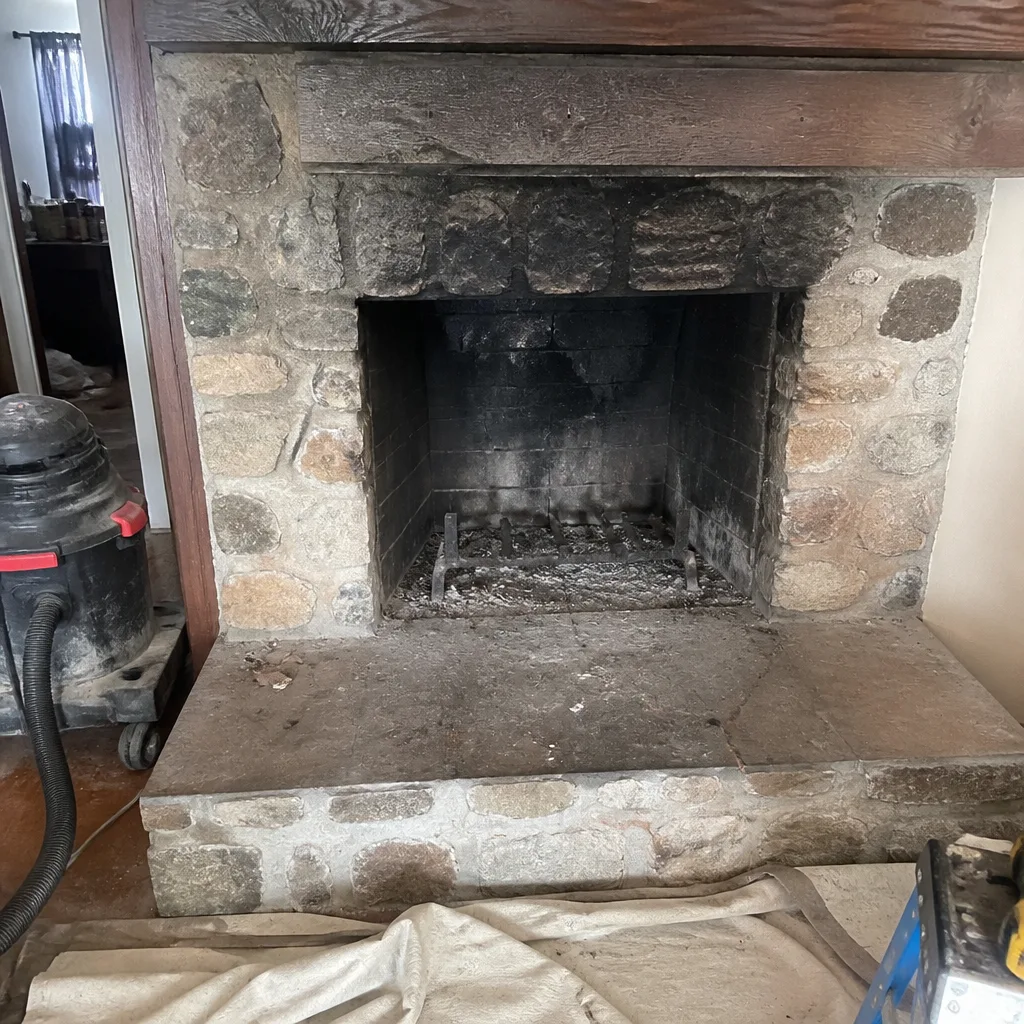 Before
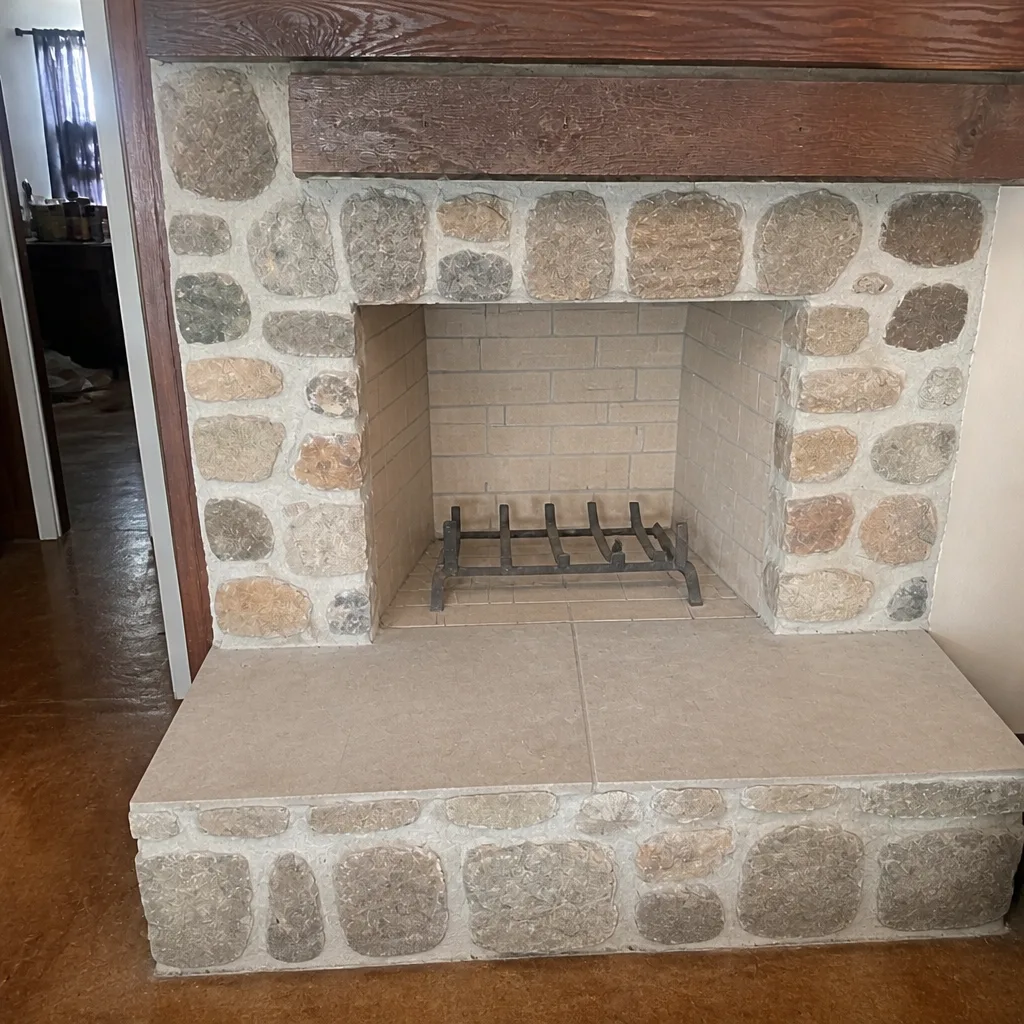 After
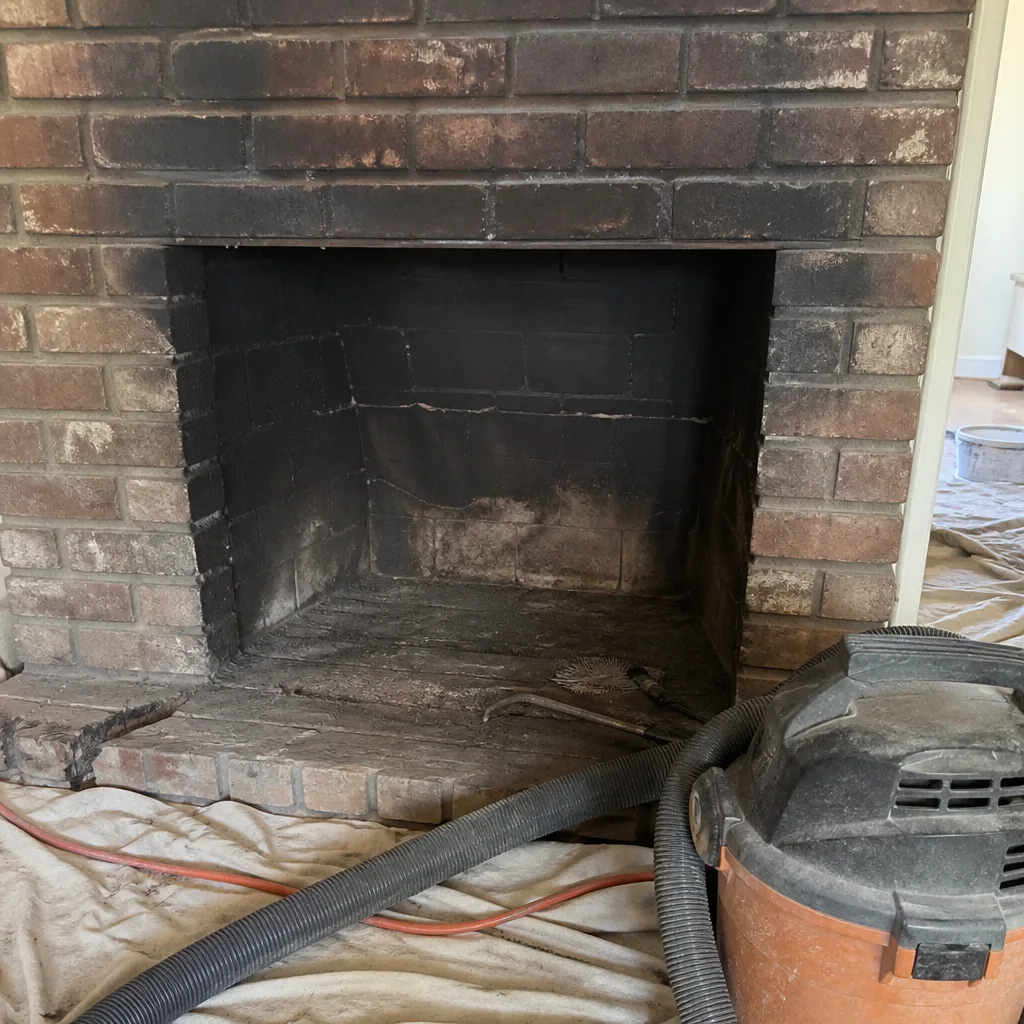 Before
 After
 Before
 After