
Last updated November 4, 2026
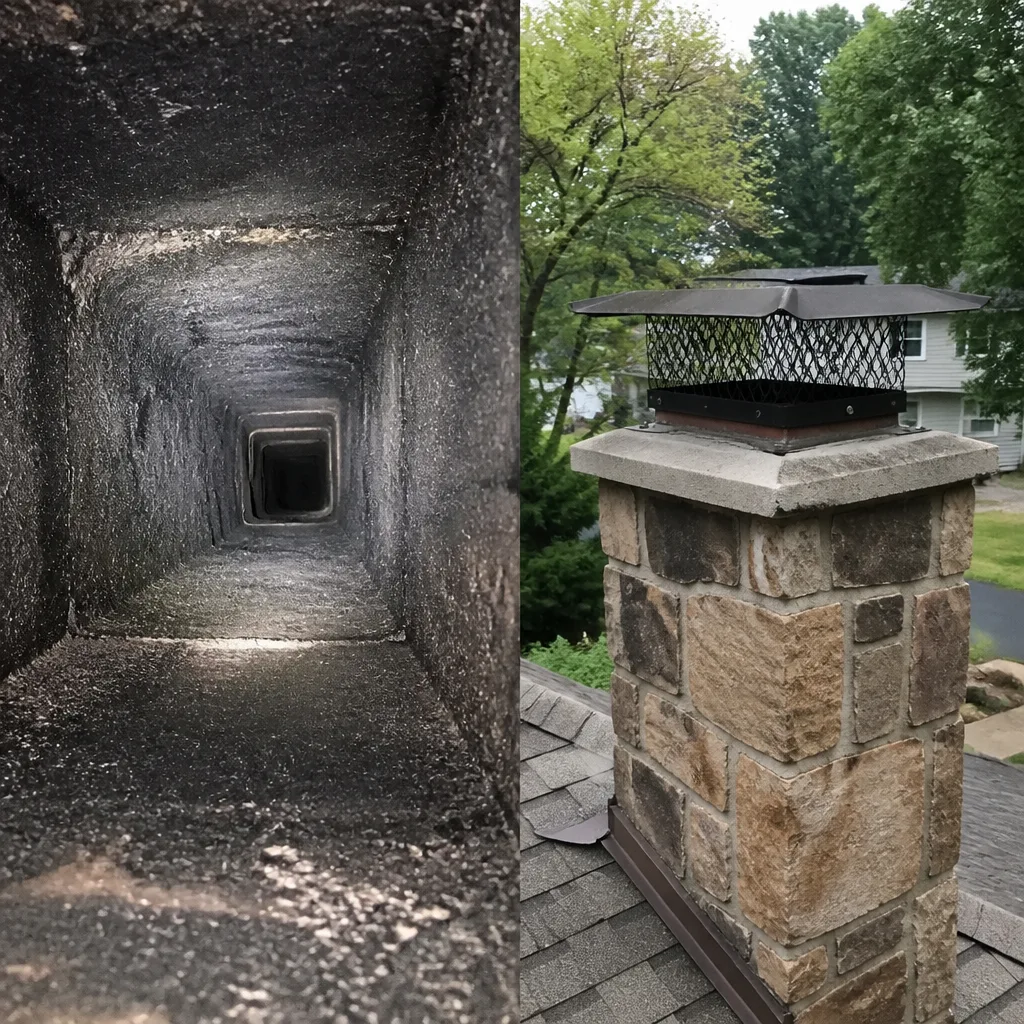 Sweep & inspection
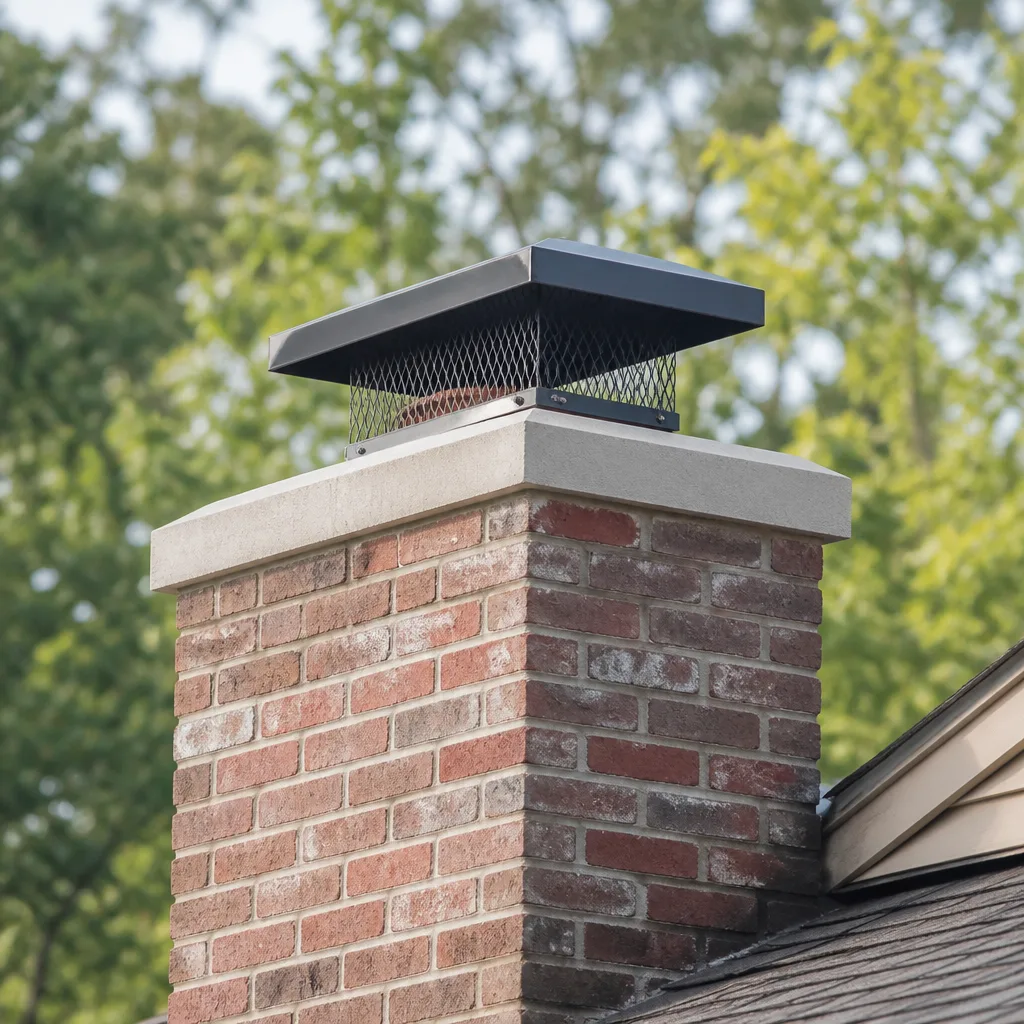 Caps & crowns
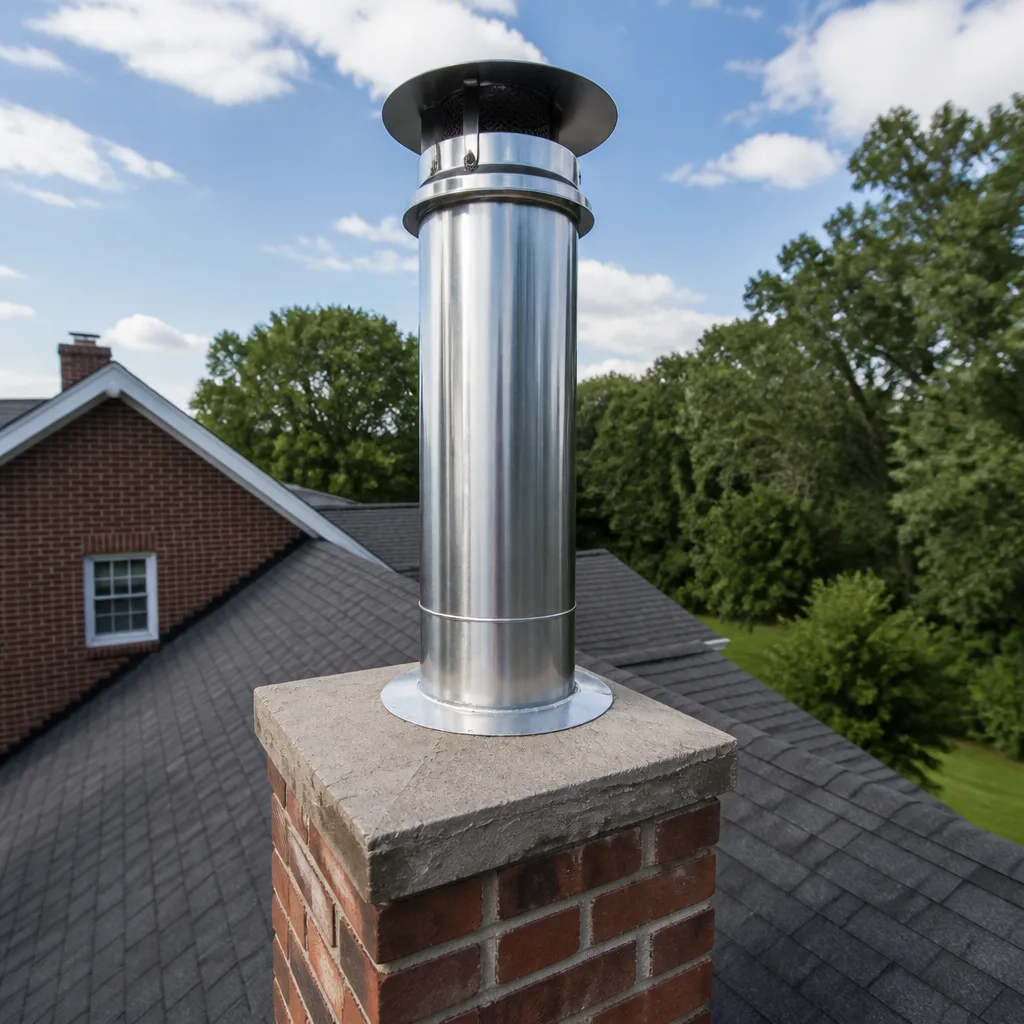 Flue relining
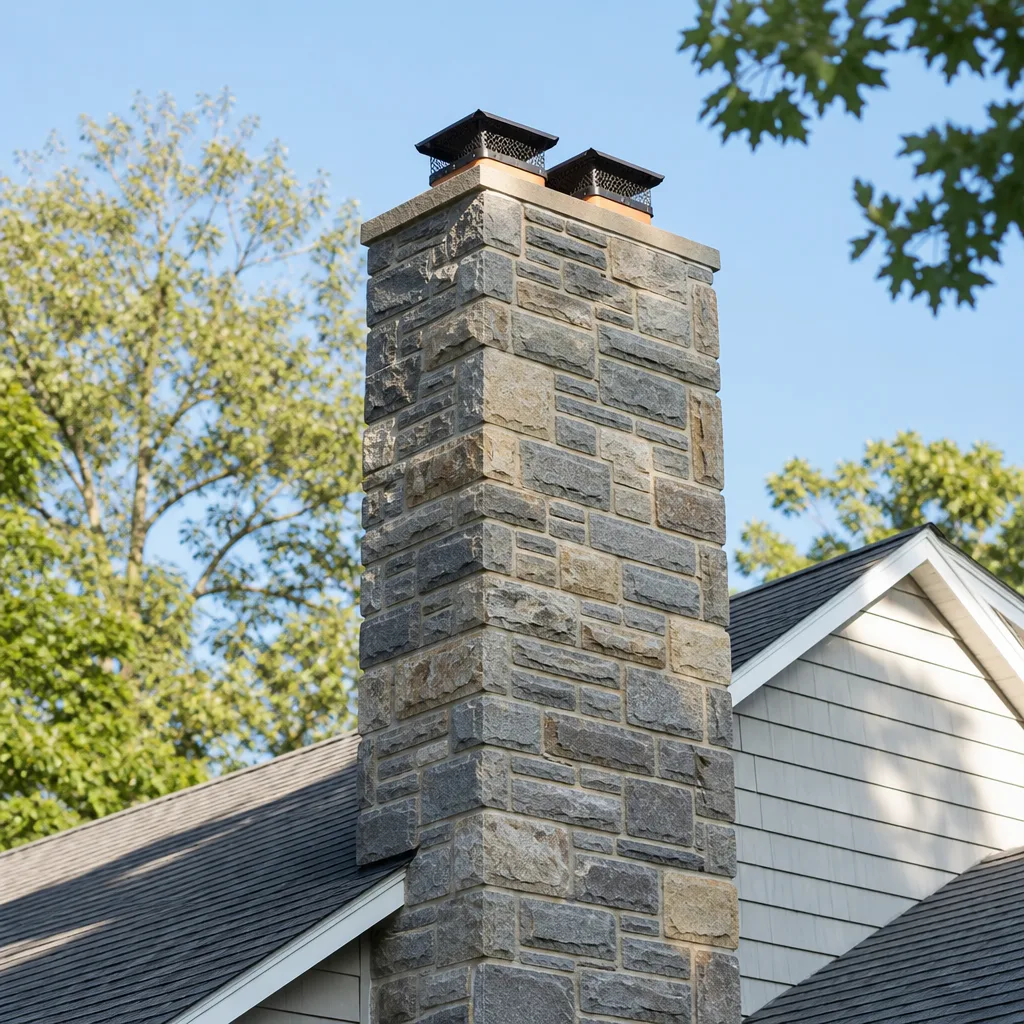 Masonry repair
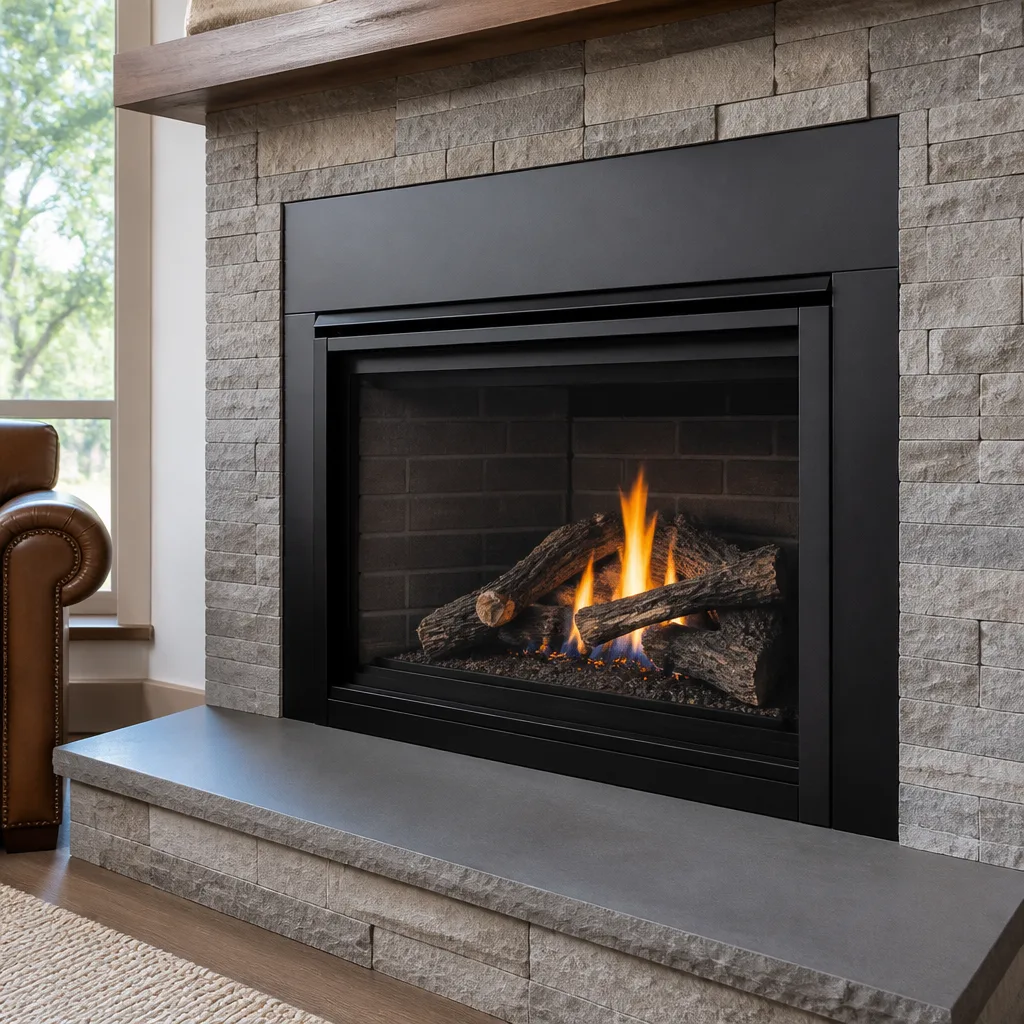 Gas fireplace service
Level 1 sweep and inspection to the NFPA 211 annual standard - flue, crown, cap, and flashing checked and photographed
Chimney sweep logs do not sweep chimneys. They loosen some creosote - which then falls where a brush and vacuum still have to collect it.
Chimney Cleaning Warning Signs: A San Leandro Homeowner’s Reference Guide
A white stain running down your exterior chimney isn’t a cosmetic issue. It’s your masonry telling you water has been moving through it long enough to leach mineral salts out of the brick, and by the time you see that stain, the damage is already working behind the surface. Most guides tell you to watch for “smoke smells” or “it’s been a year since the last cleaning.” Those are starting points, not diagnostics. What follows is a translation of what you actually see, smell, and hear into what’s actually wrong, so when you call for a chimney sweep in San Leandro, you can describe the problem accurately and avoid paying for work you don’t need.
Quick Answer
The clearest warning signs your chimney needs attention are white mineral staining (efflorescence) on exterior brick, flaking or spalling masonry, rust on the damper or firebox components, a campfire-like smell that lingers when the fireplace is cold, smoke entering the room on startup, and a dryer that takes noticeably longer to finish a load. Any one of these means the system should be inspected. Several together usually mean water and creosote are already doing structural work, which is when a repair-capable Chimney Cleaning San Leandro technician becomes more useful than a basic sweep-and-go.
Styles & brands we work with
- Sweep & inspection
- Caps & crowns
- Flue relining
- Masonry repair
- Gas fireplace service
Table of Contents
- Exterior Warning Signs: What Your Masonry Is Telling You
- Interior Firebox Signs You Can Check Without Tools
- Draft and Performance Signs: Smoke, Slow Starts, and Backdrafting
- A Plain-Language Guide to Chimney Odors
- Dryer Vent Warning Signs That Parallel Chimney Problems
- Common Mistakes to Avoid
- When to Call a Professional
- Frequently Asked Questions
Exterior Warning Signs: What Your Masonry Is Telling You
Walk outside and look at your chimney. Not casually, the way you’d glance at it from the driveway. Stand close enough to touch the brick. What you see on the surface is a record of what’s been happening inside the wall. In San Leandro, where winter rain is the main weather event rather than freezing temperatures, water is the primary enemy of exterior masonry, and it leaves predictable signatures.
Efflorescence: the white powder that means water is already inside
Efflorescence is that white, chalky, sometimes patchy film that appears on brick faces. It’s mineral salts, specifically the soluble salts that were always inside the brick and mortar, dissolved by water that has soaked into the masonry and then carried to the surface. When the water evaporates, the salts stay behind as a white deposit. It appears in streaks below the chimney cap, in vertical lines that trace water paths, or as a general haze over the bricks.
Here’s what matters: efflorescence is not surface dirt. It means water has penetrated deep enough to pick up minerals from inside the brick or the mortar bed, not just dampen the outside. By the time San Leandro homeowners see efflorescence, the water intrusion has usually been happening for months. The stain tells you where water is getting in, and the longer it’s left unaddressed, the more threatening the next stage becomes.
Spalling: when brick faces start falling off
Spalling is what happens after water has been inside the brick for long enough to cause physical failure. The face of the brick flakes off, or a shallow layer of brick pops loose and leaves a recessed, rough patch where a flat surface used to be. You might find brick fragments on the roof, in the gutter, or on the ground at the base of the chimney.
In San Leandro’s climate, where a chimney gets wet repeatedly through the rainy season and then dries out through long warm stretches, this wet-dry cycle stresses masonry. Each cycle moves a little more water through the brick, and each cycle can break down a bit more of the material. Spalling is not just an aesthetic problem. Every spalled brick face is a chunk of chimney wall that no longer has its protective fire skin, and the masonry behind it is exposed. A sweep who only looks at the flue won’t catch stage-two spalling from the inside. You need the exterior assessment, which is part of why we inspect the full system from the cap to the firebox on every visit.
Mortar joint erosion: the seams that hold everything together
Run your hand along the horizontal and vertical joints between the bricks. If the mortar feels soft, crumbles under light pressure, or has recessed from the brick face by more than a quarter inch, the joints are failing. Mortar is the sacrificial component of a chimney: it’s supposed to weather and be repointed every few decades. But when joints erode unevenly or deeply, water enters the chimney structure through the seams themselves.
San Leandro homes built in the 1950s through 1970s, which is a huge portion of the housing stock here, often have original mortar that’s now 50 to 70 years old. That’s two lifetimes for standard mortar in a rain-exposed vertical surface. Joint erosion shows up as missing mortar, grass growing out of joints (a telltale sign of moisture and organic material), or a general rough appearance where the brick pattern should read clean.
Interior Firebox Signs You Can Check Without Tools
Open the damper and look inside the firebox. You don’t need to disarm anything or touch anything that moves. Just look. The firebox itself, which is the chamber where the fire burns, gives you a surprising amount of information about the health of the whole chimney system. San Leandro’s dry summers and wet winters mean interior chimneys are prone to a specific moisture signature: rust.
Rust on the damper and its controls
The damper is the metal plate, usually just above the firebox opening, that opens and closes to control airflow. In a properly maintained chimney, the damper stays dry because it’s protected by a cap and the flue is drawing properly. Rust on the damper, on the damper handle, or on the metal frame around the damper means water has been entering the flue and sitting there. It’s a sign that the cap is missing, damaged, or never installed.
Rust is also the first stage of damper failure. A rusted damper doesn’t seal properly, which means warm air escapes up the flue all winter (and in San Leandro, it means the house won’t hold heat on those cool, damp nights when the furnace works hardest). A damper that’s rusted in place is a safety issue too: if it can’t open fully, it can’t draft properly when you do use the fireplace.
White haze on firebrick
Inside the firebox, the brick is usually a warm cream or buff color. A white, grayish, or cloudy haze over the firebrick that wasn’t there before is a mineral deposit, same chemistry as exterior efflorescence but trapped inside the firebox. It means water has been running down the flue and pooling enough to soak into the firebricks. The water source is almost always a failed cap or a crack in the crown, the concrete slab that seals the top of the chimney around the flue.
A small amount of white haze might be cosmetic. A heavy or spreading pattern should trigger an inspection because it means the water intrusion is ongoing. Inside the firebox, moisture mixing with creosote creates an acidic slurry that accelerates corrosion of any metal component it touches, including the damper assembly and the throat of the chimney.
Flaking in the smoke chamber
Look up from the firebox, past the damper. The smoke chamber is the inverted funnel shape that transitions from the firebox to the flue liner. In many older San Leandro homes, this smoke chamber was built by stacking bricks with jagged or corbelled interior surfaces, then parged (coated) with a rough mortar called parge. If you see pieces of this parge flaking off, or piles of sandy debris at the bottom of the firebox, the smoke chamber is deteriorating.
Parge flaking is significant because the smoke chamber is a heat-concentrating zone. It’s where smoke swirls and slows before accelerating up the flue, and any gaps, cracks, or missing parge create a direct path for heat to reach the framing around the chimney. In the context of a chimney in San Leandro, where many fireplaces haven’t been used heavily since the 1980s and 1990s, this deterioration often happens quietly for years before anyone looks.
Draft and Performance Signs: Smoke, Slow Starts, and Backdrafting
Performance problems are the most common reason Bay Area homeowners call a professional. But here’s the distinction most guides miss: a draft problem is not the same as a blockage problem, and the fix is different. One is about airflow, and the other is about physical obstruction. Being able to tell them apart saves you a service call that doesn’t solve the real issue.
Smoke rollout on startup: a draft problem that’s usually simple
Smoke rollout means smoke puffs out of the fireplace opening when you first light a fire, then settles and draws normally once the fire is going. This is a draft problem, not a blockage. Cold air sits in the flue, especially in San Leandro where temperatures drop overnight, and that cold air plug has to be pushed out by warm air rising from your kindling. It takes a minute or two, and during that window, smoke can spill into the room.
If smoke rollout is minor and transient, the fix is often as simple as pre-warming the flue by holding a lit piece of paper up near the damper before lighting the main fire, or opening a window slightly in the room to feed the fire. But if rollout is heavy, persistent, or getting worse, it can also signal a partially closed damper, an undersized flue for the firebox, or a chimney that’s just too cold and too exposed. Chronic smoke rollout isn’t something to live with, and it’s not something to fix by building a smaller fire forever.
Smoke that never draws properly: a blockage problem that needs eyes on it
If fire after fire produces smoke that won’t draw, or smoke pours into the room continuously, the problem is likely physical. Common culprits in San Leandro include creosote buildup that has narrowed the flue passage, animal nesting (squirrels, birds, and roof rats are all common in Alameda County), or leaves and yard debris that have accumulated because the cap is missing or ineffective.
This is one of those situations where our “one visit, full picture” approach matters. A technician who only sweeps and leaves might clear the creosote and miss the torn cap that let the animals in. Our team looks at the whole system, from the firebox liner to the termination cap, and we repair what we find rather than referring you to a second company for the actual fix.
Slow ignition on gas appliances: a flow problem, not a fire problem
Many San Leandro homes now use gas log sets or gas inserts instead of wood burning. If your gas fireplace or insert is slow to ignite, or the flame burns weakly and unevenly, that suggests reduced airflow through the venting system. Gas appliances need to move combustion byproducts up and out, and a partially blocked or inadequately lined flue interferes with that movement.
A slow-igniting gas appliance in a chimney that used to be wood-burning often means the original clay flue liner was never sized for gas, or that the liner has cracked and corrosion is clogging the passage. In a mild climate like San Leandro’s, where gas fireplaces get used intermittently all winter, these problems develop gradually and homeowners often just live with a finicky appliance. You shouldn’t have to. A proper inspection identifies whether the issue is a clogged burner, a venting restriction, or a flue sizing problem.
Backdrafting: the sign you should never ignore
Backdrafting is different from the other draft problems because it doesn’t happen when you’re using the fireplace. It happens when the fireplace is not in use, and instead of exhaust leaving through the chimney, air flows back down the flue and into your living space. The most common sign is a cold draft coming from the fireplace, or a persistent sooty smell in the room when the fireplace has been cold for days.
Backdrafting can also pull exhaust from your furnace or water heater back into the house if those appliances share the chimney flue, which is common in older San Leandro homes with combined venting. The safety concern is carbon monoxide, which is why backdrafting is one of the few issues on this list we’d classify as urgent regardless of the time of year. If you notice exhaust smell near the fireplace or around other gas appliances, ventilate the space and call a professional who can diagnose the full venting configuration.
A Plain-Language Guide to Chimney Odors
Your nose is one of the most reliable diagnostic tools you have, but only if you know what the different smells mean. San Leandro homeowners often describe a “fireplace smell” as if it’s all one thing. It isn’t. Each distinct odor points to a distinct problem, and knowing which one you’re dealing with changes the urgency and the fix.
Campfire smell when the fireplace is cold: creosote, not an emergency
A smoky, campfire-like smell that comes from the fireplace when there’s been no fire for weeks is creosote off-gassing. Creosote is the black or brown residue that condenses inside the flue when wood smoke cools and deposits. It has a sharp, acrid smell that becomes more noticeable when the air is humid, which in San Leandro means you’ll smell it more during the rainy season or on foggy mornings when the marine layer sits over the East Bay.
Creosote smell isn’t an immediate emergency, but it does indicate buildup. If you’re smelling it, the creosote layer is thick enough to be releasing volatile compounds. The fix is a professional sweep. After cleaning, the smell should largely disappear within a day or two. If it comes back quickly, your burning habits may be contributing (unseasoned wood, smoldering fires) and you should discuss that with your sweep.
Ammonia or animal smell: an unwelcome tenant, not your chimney
A sharp, urine-like smell, or an odor that reads as “something died” or “something is living in there” means animal intrusion. Squirrels, birds, and roof rats all find chimneys attractive, and San Leandro’s urban tree canopy means all three are common. The smell is from nesting material, droppings, or in worst cases, an animal that entered and couldn’t get out.
Animal intrusion is a blockage risk and a health concern. Nesting material inside the flue is highly flammable and blocks airflow. The fix is a professional removal of the blockage and the installation of a proper chimney cap with screening to prevent re-entry. This isn’t work to put off, because the animal may not be gone, and every fire attempt while it’s in there is a fire hazard.
Musty or damp smell: water intrusion, not a cleaning issue
A smell like wet leaves, damp basement, or general mustiness coming from the chimney means organic material is wet somewhere in the system. In San Leandro, this is most common at the start of the rainy season when the first rains hit accumulated leaves, twigs, and dust inside an uncapped or under-capped flue, or when water has been slowly entering through a cracked crown.
Water-driven smells won’t go away with a sweep if the water source isn’t fixed. This is where repair capability matters: the same team that cleans the flue can diagnose the failed cap or cracked crown and recommend the right repair, using professional-grade materials rather than whatever sealant is on sale. Our crews stock products from Copperfield and Gelco, brands made specifically for chimney top components, and we install them to the manufacturer’s specification.
Rotten egg or gas smell: an immediate action, not a diagnostic exercise
A sulfurous, rotten-egg smell from a gas fireplace or gas log set is the odorant added to natural gas to make leaks detectable. It is not a chimney cleaning issue. It’s a gas appliance issue. If you smell this, you should turn off the appliance if you can do so safely, avoid using any switches or flames, ventilate the room, and call your utility provider or a qualified gas technician immediately.
We don’t want to oversell our own scope here. Chimney Cleaning San Leandro focuses on chimney and dryer vent systems. If you’re smelling gas, the priority is the gas line and the appliance, not the flue. Once the immediate concern is resolved, a flue inspection is still worthwhile to make sure the venting that removes combustion byproducts is functioning correctly.
Dryer Vent Warning Signs That Parallel Chimney Problems
Your dryer vent is the miniature chimney of your house. It moves heat, moisture, and lint out of the living space, and when it’s restricted, many of the same dynamics apply: reduced draft, heat buildup, and a slow accumulation of flammable material in the passage. Dryer vents are a fire hazard, not a minor chore, and the warning signs are surprisingly consistent.
Clothes take longer to dry: the earliest and most consistent sign
If a load that used to dry in 40 minutes now takes 60 or 70, that’s not your dryer getting old. It’s airflow restriction. Lint buildup inside the duct reduces the cross-section through which moist air can exit, so the dryer has to work harder and longer to move the same amount of moisture. Every cycle where that lint sits inside the duct, it’s being baked into a harder, denser layer.
San Leandro homes with second-floor laundries, which are common in the hillside and split-level neighborhoods, often have longer vent runs with more turns than single-story ranches, and every turn is a lint trap. Those systems need dryer vent cleaning on a more regular schedule, because the runs are naturally harder to keep clear.
The exterior vent flap doesn’t open during a cycle
Go outside and find the exhaust vent on your exterior wall. Run the dryer and watch the flap, the small plastic or metal damper that covers the opening. When the dryer is running, the flap should lift and stay open, and you should feel warm air moving out. If it barely moves, stays closed, or flutters weakly, the system is restricted.
A vent flap that never fully opens means moist air is not exiting the house. That moisture ends up somewhere: in the duct, in the wall cavity, or back into the laundry room. In San Leandro’s climate, where winter air is damp already, adding dryer moisture to the indoor environment can worsen allergies, encourage mildew in wall cavities, and make the laundry room feel humid and warm every cycle.
The laundry room gets noticeably hot during a cycle
Stand in the laundry room while the dryer runs for a few minutes. If the room gets noticeably hot, or the exterior of the dryer feels more than warm, heat is backing up into the room because it can’t escape through the vent. This is the dryer equivalent of chimney smoke rollout: the exhaust can’t go where it’s supposed to, so it spills into the space.
Heat buildup is the clearest sign that the system is reaching a point of significant restriction. Lint is flammable, and the combination of trapped heat and accumulated lint in a restricted duct is the exact recipe for a dryer fire. We install Famco venting products on our dryer vent replacements, which are commercial-grade metal vent components chosen specifically because they handle heat and airflow better than the cheap vinyl or foil products still selling in some hardware stores.
Common Mistakes to Avoid
- Painting over efflorescence or spalled brick. Paint traps moisture inside the masonry and accelerates the breakdown behind the surface. The white stain comes back, except now it’s pushing through a painted layer and you can’t see the damage progressing.
- Waiting for smoke before calling. By the time you see smoke rollout or persistent backdrafting, the creosote layer or blockage has been developing for months or years. The smoke you see is the last indicator, not the first.
- Assuming a gas fireplace doesn’t need maintenance. Gas appliances produce corrosive byproducts, and the venting systems they run through still need inspection. Many San Leandro homeowners with gas inserts assume they’re exempt from chimney care. They aren’t.
- Cleaning the dryer lint screen and thinking that’s enough. The lint screen catches about a third of the lint your dryer produces. The rest moves through the duct and accumulates there. A clean screen doesn’t mean a clean vent.
- Ignoring a cold-season smell because it “goes away.” Chimney odors fluctuate with humidity and temperature. A smell that disappears on a dry warm day is still there, just below the threshold where you notice it. It comes back when the conditions change.
- Hiring a sweep who only sweeps. If the technician can’t or won’t assess the cap, the crown, the liner, and the smoke chamber, you’re paying for part of a diagnostic. We repair what we find, which means one call gets the full picture rather than a partial service and a referral list.
When to Call a Professional
You should call for a professional inspection if you’ve noticed any of the signs above: efflorescence or spalling on the exterior brick, rust inside the firebox, creosote smell when the fireplace is cold, smoke that doesn’t draw properly, or a dryer that takes longer than it used to. These are not things that resolve on their own, and most get worse with each passing season. If you’ve moved into a home and don’t know when the chimney was last inspected, that’s also a reason to call for a baseline, especially in older San Leandro housing stock where maintenance history is often incomplete.
Chimney Cleaning San Leandro offers free estimates in San Leandro. Call (833) 736-8208. We answer 24/7. Fast dispatch from 7am to 7pm, Sunday through Friday.
Frequently Asked Questions
A standard chimney sweep in San Leandro typically runs between $200 and $500, depending on the level of creosote buildup, whether animals have been in the flue, and the accessibility of the roof and chimney. The price is set per job by a written estimate, not a flat rate, so you know exactly what you’re paying for before work begins. Call (833) 736-8208 for a free estimate. We answer 24/7.
The National Fire Protection Association recommends chimneys be inspected at least once a year and swept as needed based on that inspection. If you burn wood more than a few times a week through the winter, or if you burn unseasoned wood, you’ll likely need a sweep every one to two years. Gas fireplaces should still be inspected annually, though they need sweeping less often. Call (833) 736-8208 to schedule an inspection.
You need a liner repair or replacement only if a camera inspection shows cracks, gaps, or significant deterioration in the existing liner. A trustworthy chimney company shows you the camera footage so you can see the problem yourself, which is exactly how we operate: nothing is recommended without visual evidence. If the liner has minor cracking, a HeatShield resurfacing application can extend its life without a full replacement. If it’s failed, we install DuraFlex liners. Call (833) 736-8208 for an inspection with camera documentation.
Skipping chimney cleaning allows creosote to accumulate inside the flue, narrowing the passage and creating a flammable lining that can ignite. Even if a chimney fire doesn’t happen, buildup restricts draft, which means more smoke in the living space and an inefficient fire. Over time, moisture and acidity from creosote corrode metal flue components and accelerate liner failure. A sweep is preventative maintenance, not an optional upgrade. Call (833) 736-8208 to book a sweep.
Yes. Lint is flammable, and a restricted dryer vent forces your dryer to run hotter and longer, which increases both fire risk and energy use. The warning signs are specific: longer cycle times, a vent flap that doesn’t open, and heat buildup in the laundry room. If you’ve noticed any of these, or if it’s been more than a year since the vent was cleaned, the system is due. Call (833) 736-8208 for dryer vent cleaning with Famco-grade components.
Usually, yes. Because we carry repair capability alongside cleaning, our technicians can diagnose and often fix structural chimney problems during the same appointment. We stock professional-grade brands including Gelco, Copperfield, and Olympia Chimney, so common repairs like cap replacement or crown sealing don’t require a second visit. The full scope is in the written estimate. Call (833) 736-8208 for a free estimate in San Leandro.
The Bottom Line
The warning signs that actually matter are visual and physical, not vague feelings that “it’s been a while.” Efflorescence means water is already inside the masonry. Rust inside the firebox means the cap has failed. Creosote smell when the fireplace is cold means buildup has reached the off-gassing threshold. A dryer that takes longer means restricted airflow, and a hot laundry room means the restriction is significant. None of these fix themselves. All of them get worse with time. The good news is that one professional visit, if it’s with a company that can actually see the whole system and repair what it finds, can resolve most of what you find. That’s the difference between a sweep that brushes the flue and leaves, and a full-system service that treats your chimney as the connected structure it is.
Written by the team at Chimney Cleaning San Leandro, serving San Leandro since 2013.
See the difference
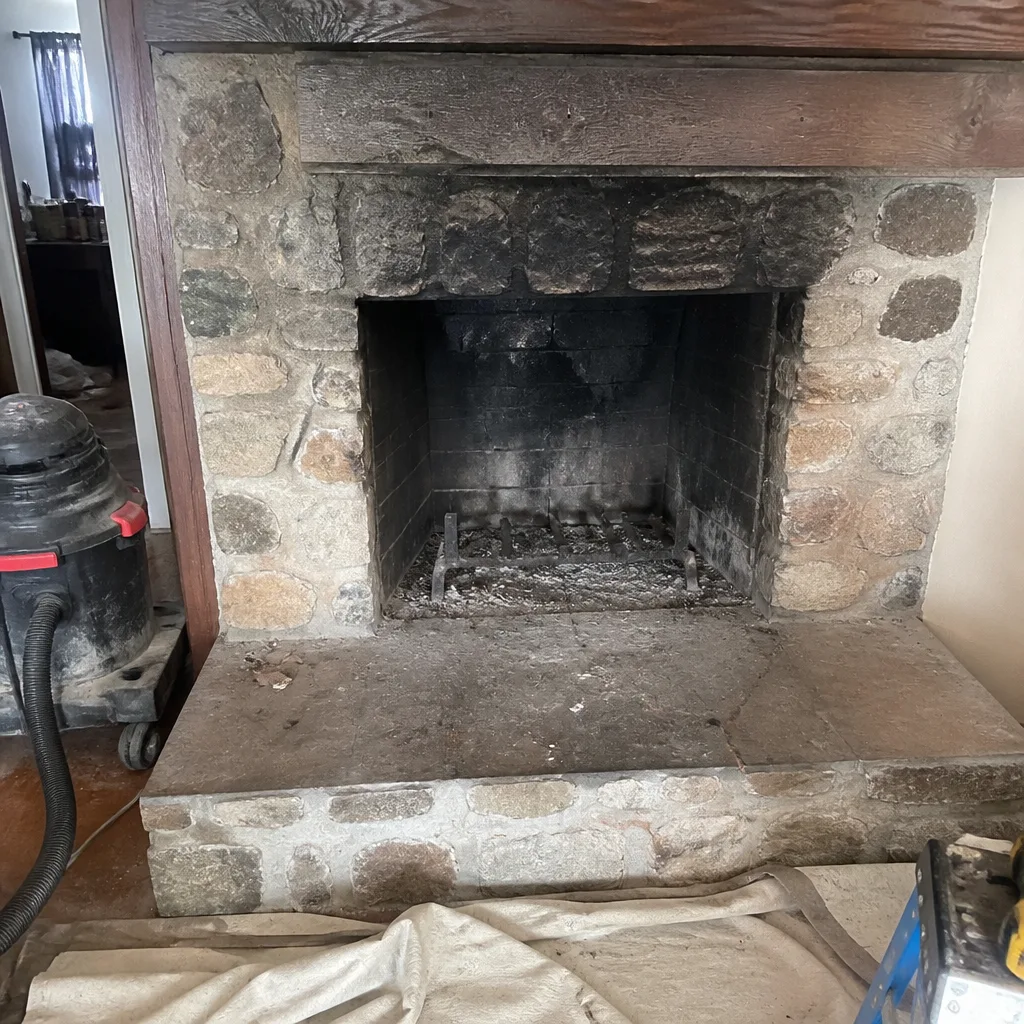 Before
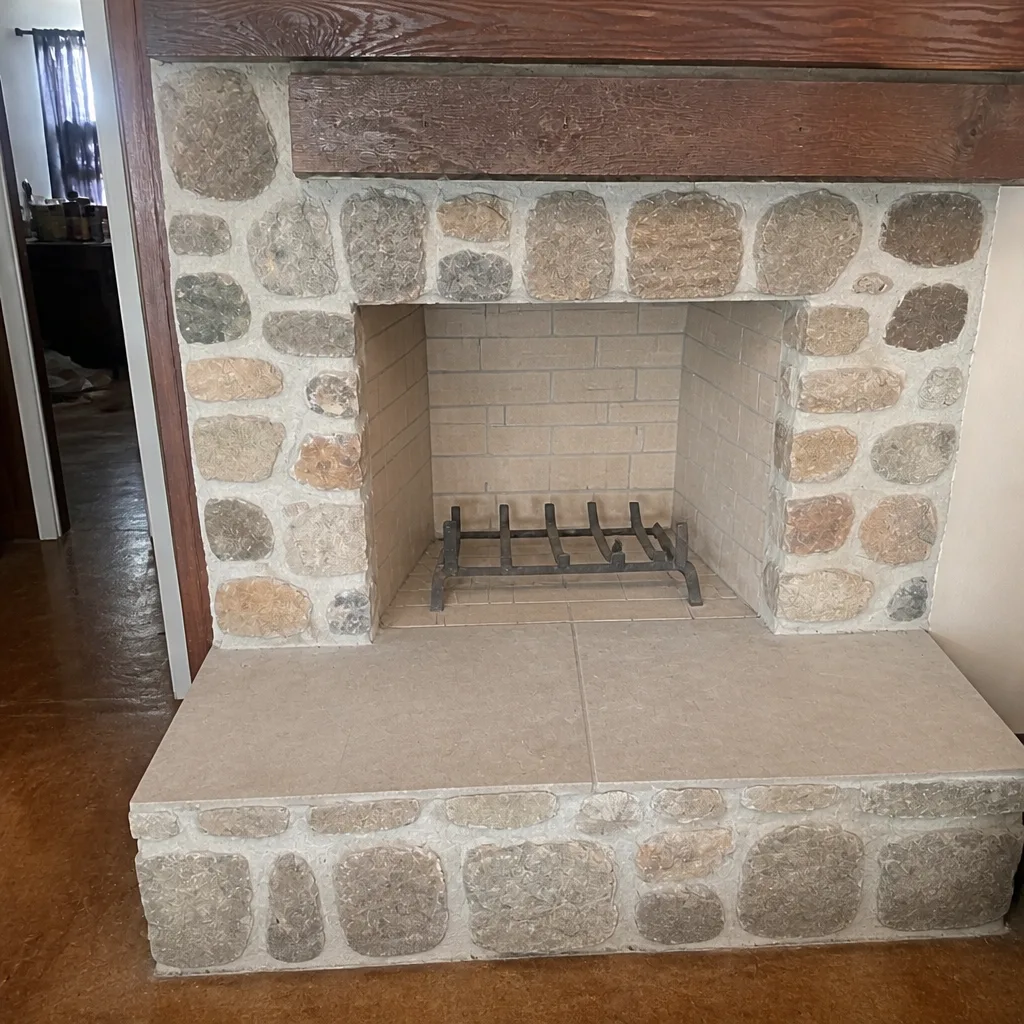 After
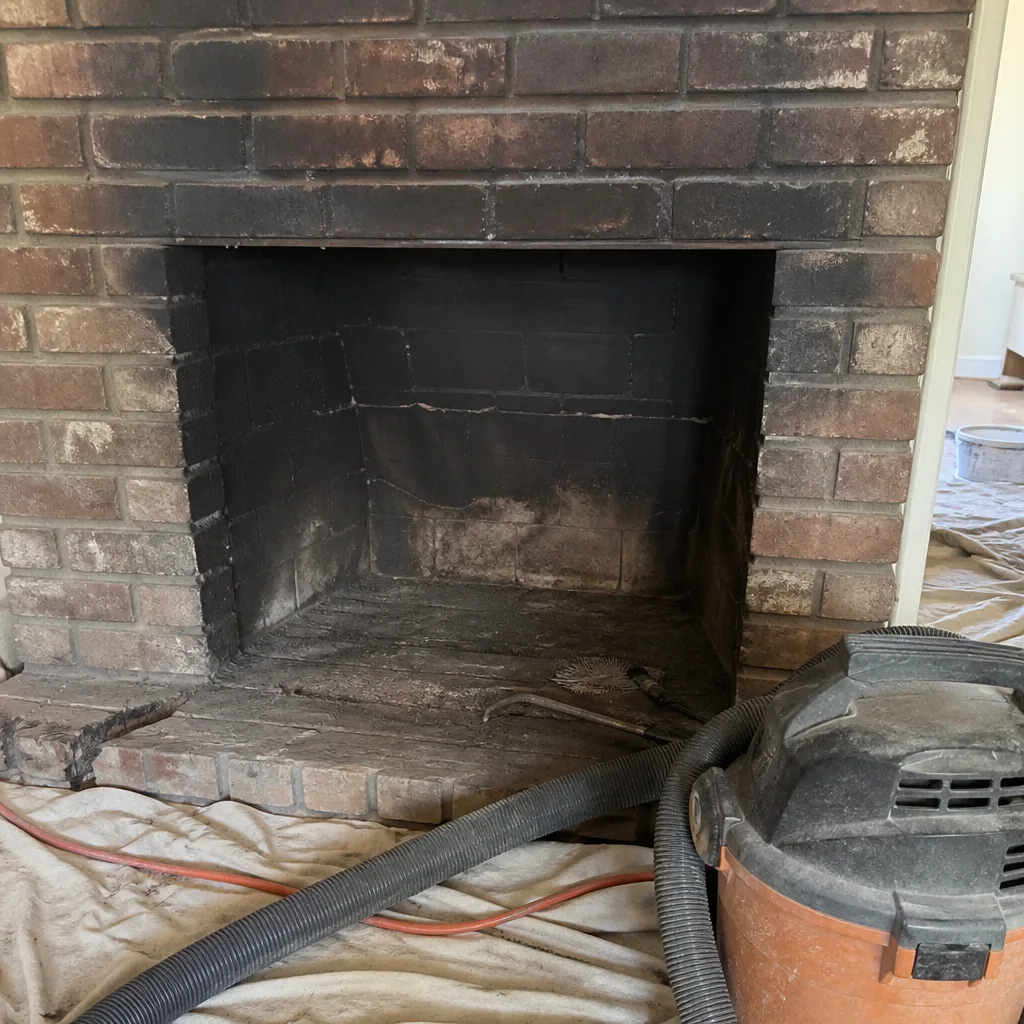 Before
 After
 Before
 After